
There’s something magical about history—especially when you can walk through it, touch its walls, and feel its presence. Our second day in Aurangabad was dedicated to exploring Daulatabad, a place that whispers stories from centuries past.
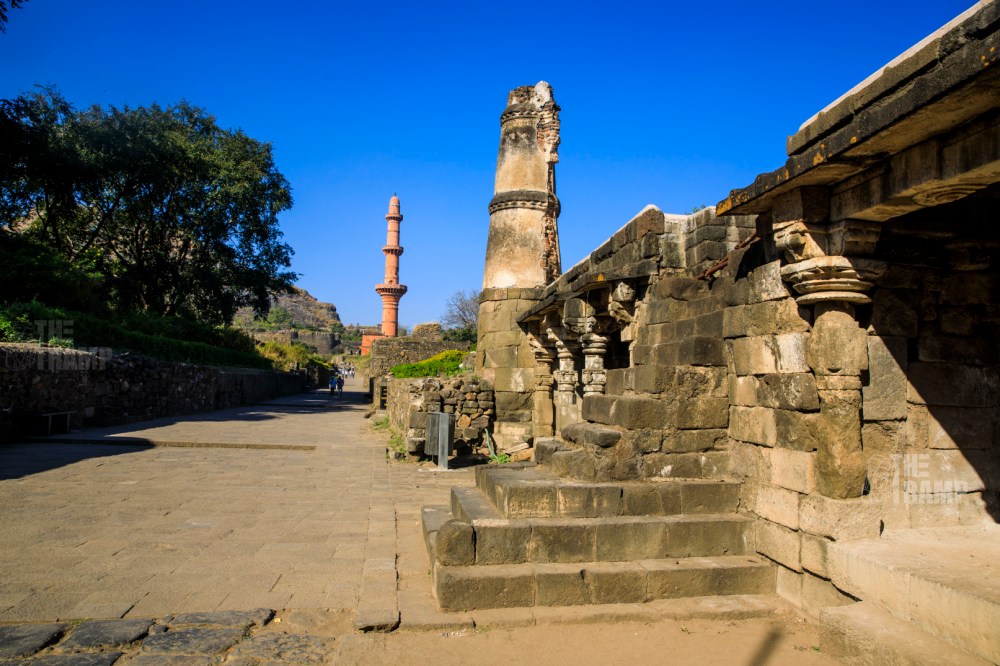
The Road to Daulatabad Fort: The Fortress That Confused Enemies
After a smooth half-hour drive, we arrived at the majestic Daulatabad Fort. Towering above us, the fort’s presence was intimidating yet mesmerizing. This was Devagiri, standing proudly on a 200-meter-high conical hill, built to defy invaders and test their courage.
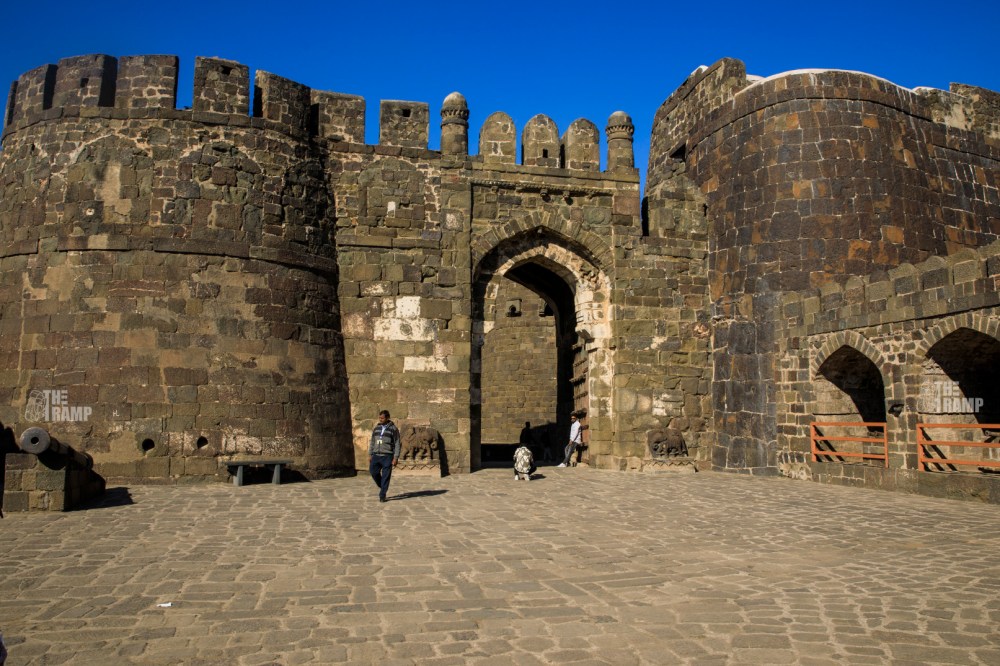
One gate. No exits. A cruel trick played on enemy soldiers—once inside, there was no way out, only winding paths designed to lead them deeper into confusion.
Mom and I stepped into this labyrinth of power. Skipping the queue with online tickets, we entered an era long gone yet forever alive in stone.
A Fort of Many Kings & a Madman’s Dream:
Originally built by the Yadavas in the 9th century, Daulatabad was like a chessboard, changing rulers in a relentless cycle.
- Alauddin Khilji took it, seeking control of the Deccan.
- Later, Muhammad Bin Tughluq shifted his capital here, renaming it Daulatabad, making it the capital of India.
- His dream failed. The land was too dry, his people suffered, and he moved back to Delhi, earning the title “Mad King.”
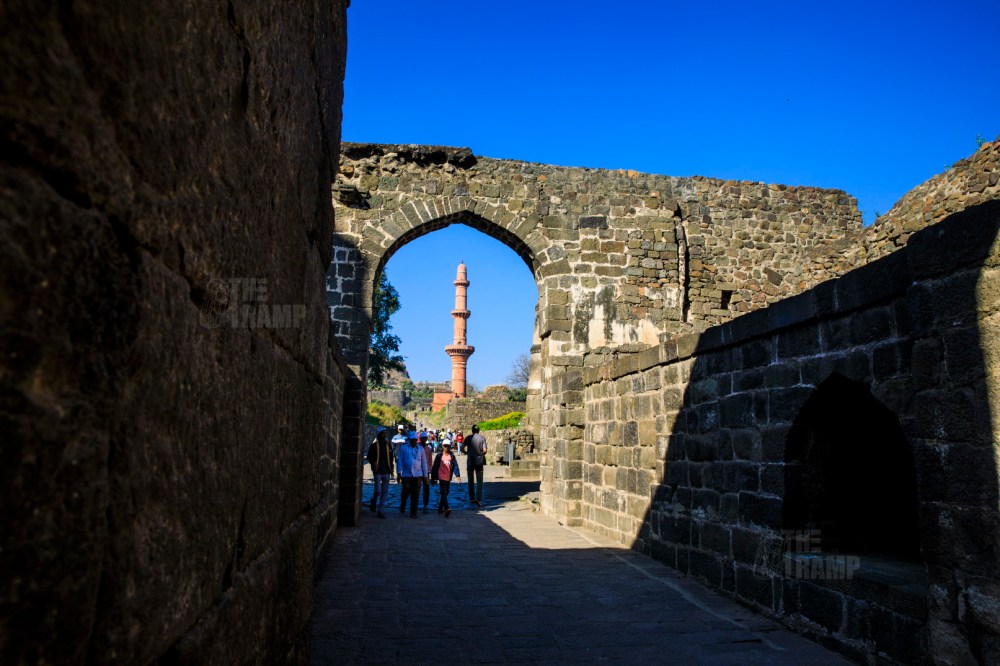
Soon came the Bahamanis, then the Nizam Shahis, and finally Aurangzeb, who used it as a Mughal prison.
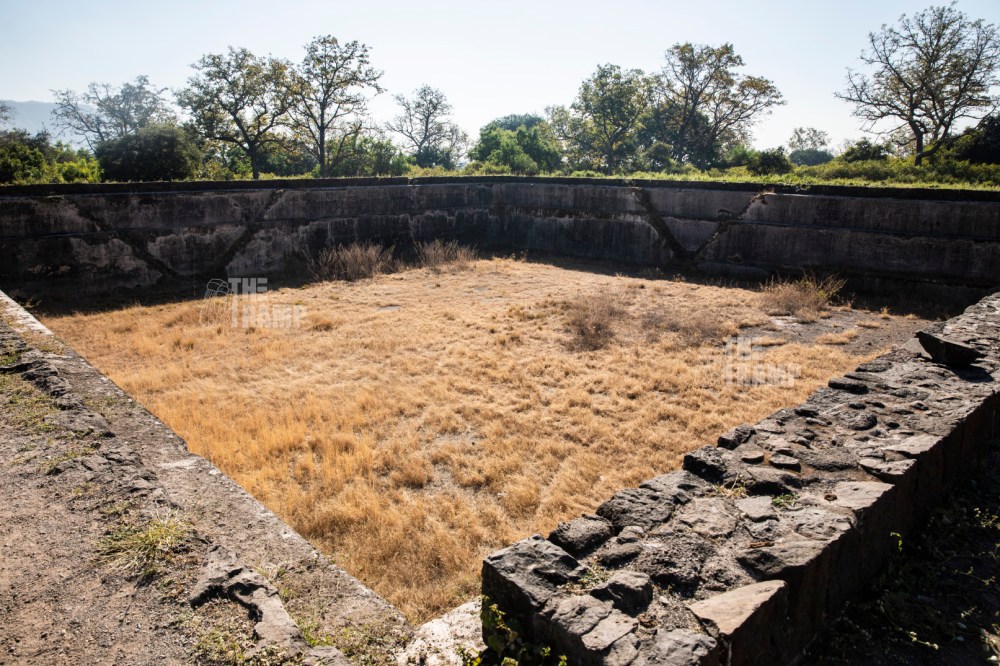
Walking through cobbled paths, my mother and I discussed the fort’s chaotic past. On the way, we saw a cluster of cannons, some still intact, reminders of battles fought for this imperial prize. Nearby, we spotted a royal elephant pond, its grand size revealing the luxury once bestowed upon these majestic creatures.
Chand Minar: A Persian Legacy in Stone
A little further, Chand Minar stood tall in warm yellow sandstone, its Persian roots unmistakable. Divided into four stories, this 63-meter-high minaret showcased Persian artistry at its finest. The mosque at its base still had Persian blue tiles, reminiscent of the ones seen in Abbas Kiarostami’s films.
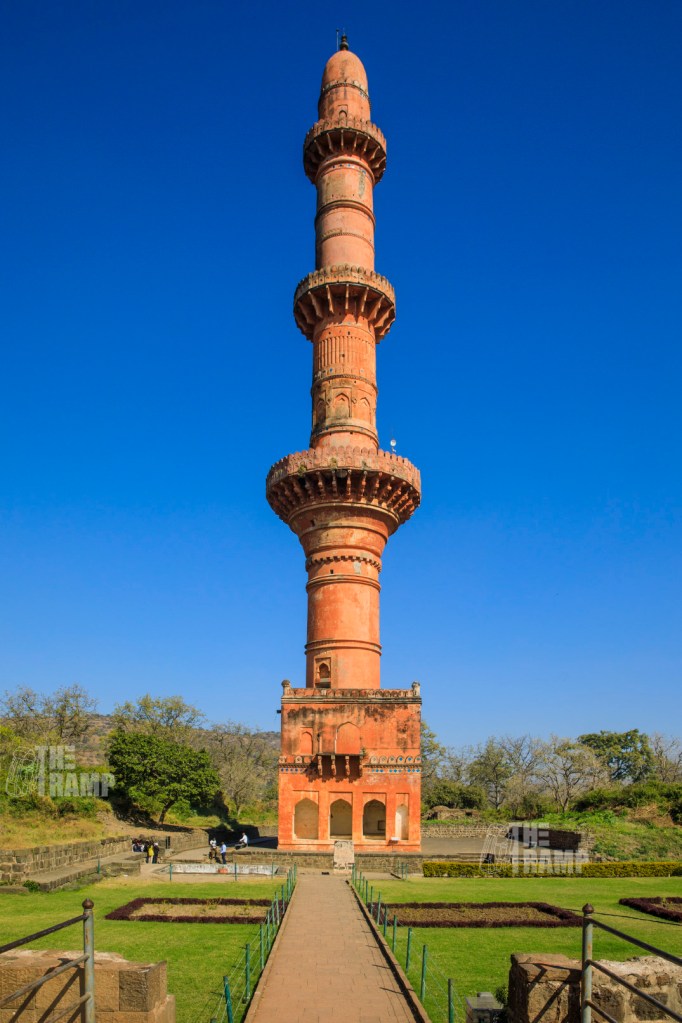
We wandered past Diwan-e-Aam (where rulers met their people) and Diwan-e-Khas (where kings conspired with scholars and noblemen).
Back at the main path, we crossed Kalakot Darwaza, leading us to Chini Mahal—the Porcelain Palace, now merely a shadow of its former glory. The blue-tiled prison, once fit for royalty, stood silent, witnessing centuries of captured souls.
The Climb: A Test of Strength & Determination
Here, Ma rested. At 72+, having undergone knee replacement, she had conquered most of the fort, a feat in itself. “Go on,” she encouraged me, settling onto a bench.
And so, I climbed.
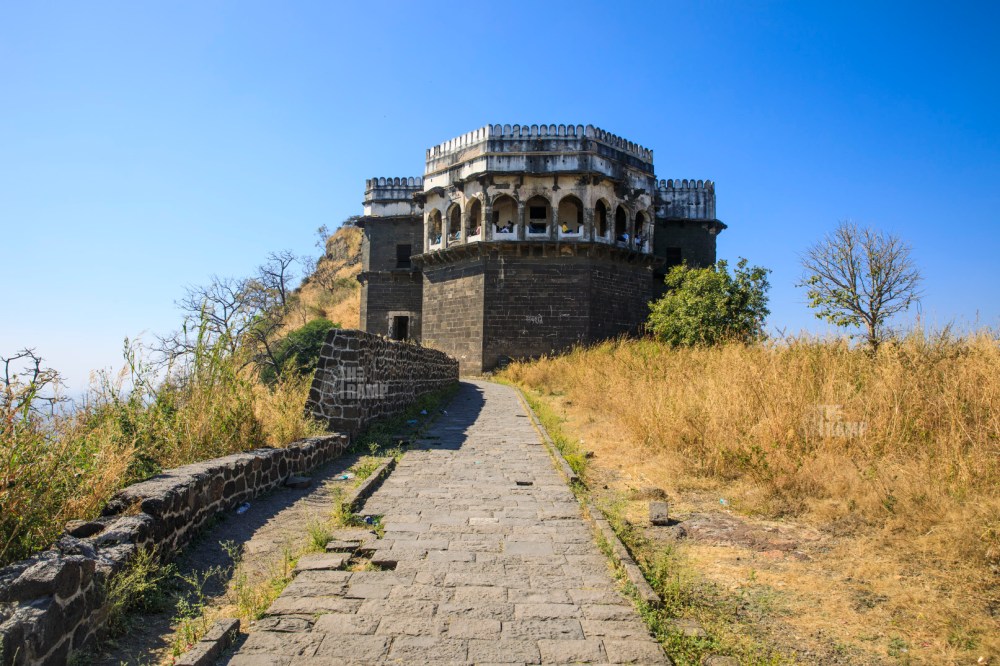
The path to Andheri, the fort’s dark passage, felt eerie, as if stepping into a forgotten chapter of time. Emerging onto a balcony, I caught my breath, but the real challenge awaited.
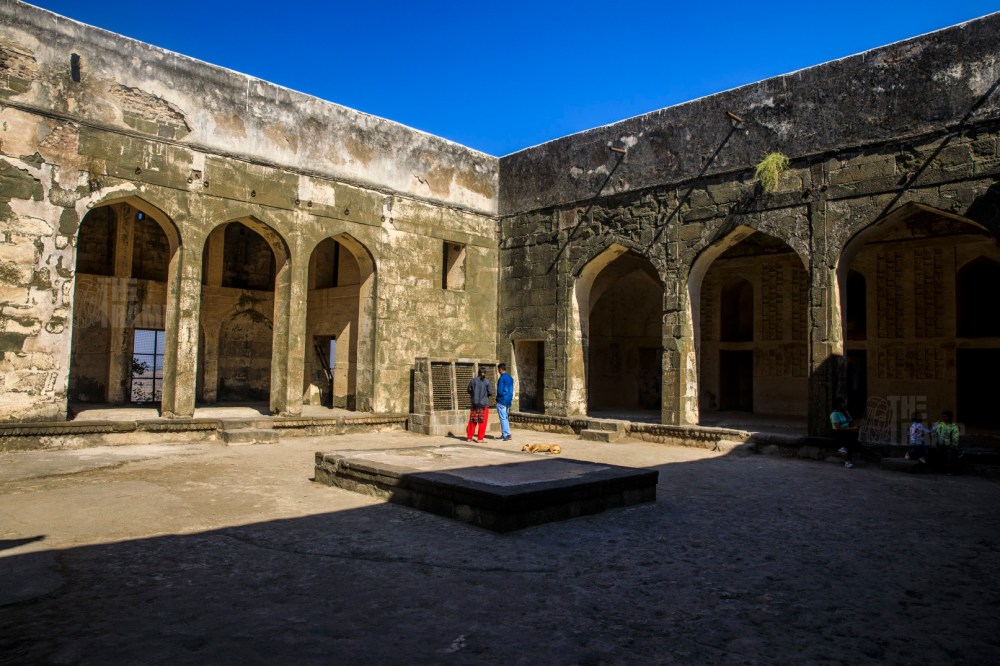
The climb up Baradari—the twelve-door pavilion—was steep, sweaty, and exhausting, yet rewarding. Reaching the top, the wind cooled me, and history greeted me with its unbroken silence.
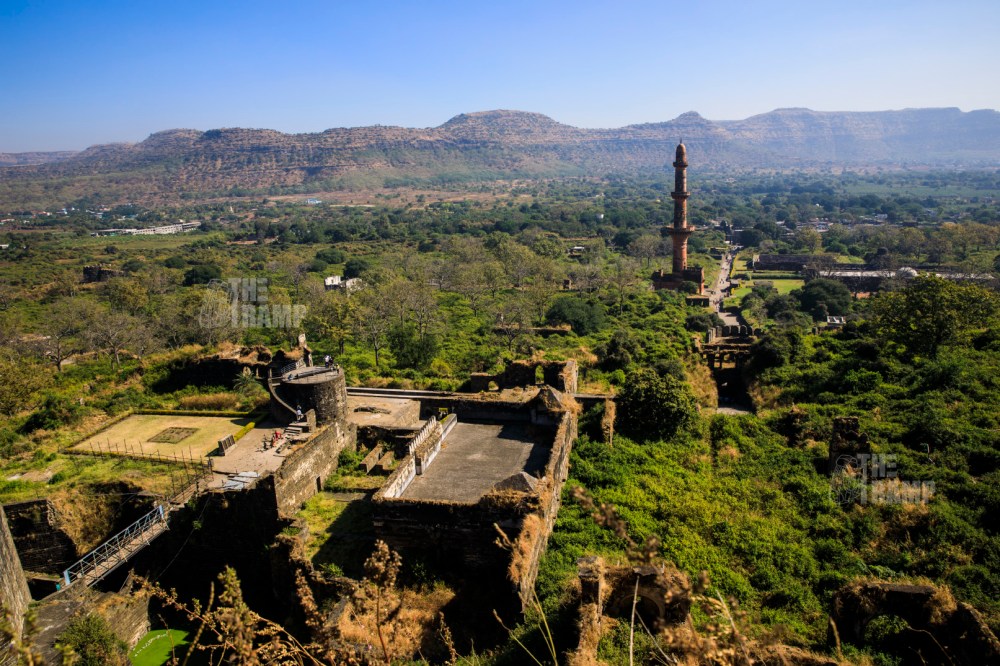
Descending, I found Ma smiling, her strength in spirit unwavering.
Lunch at a Dhaba:
Hungry after the adventure, we found a local dhaba—a humble yet fulfilling feast of rice, lentils, fries, vegetables, and chicken, served with the warmth of simple hospitality.
Khuldabad & The tomb of Aurangzeb:
Our next stop was Khuldabad, home to the resting place of Aurangzeb. Unlike his grand empire, his grave was simple—almost too humble for a ruler of such might.
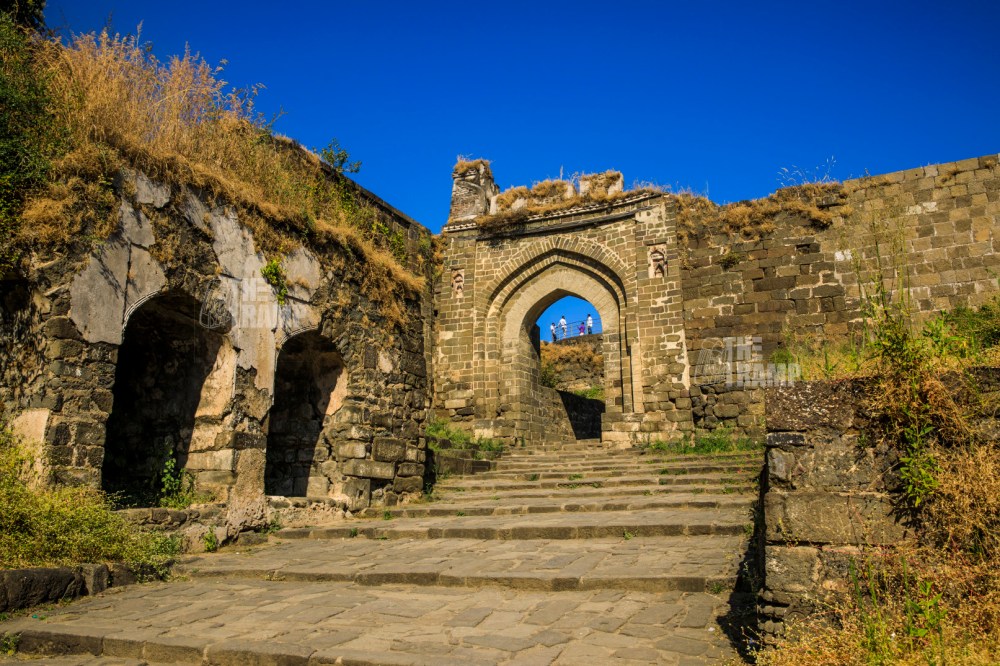
“Simplicity is the greatest legacy,” Ma murmured. And in that moment, surrounded by ancient whispers, I understood her words.
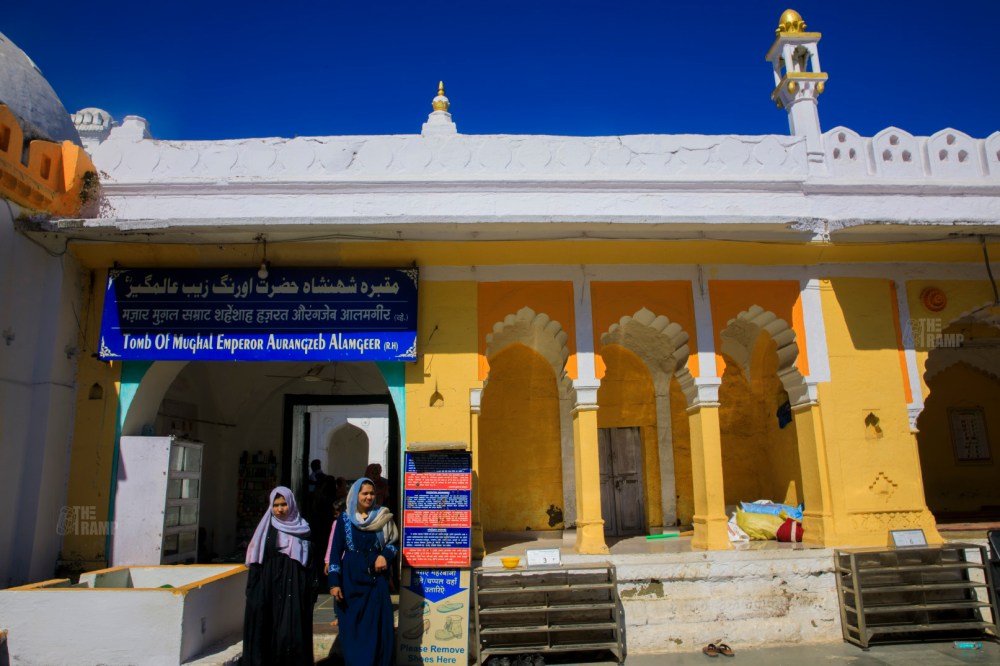
Bani Begum Garden:
Rejuvenated, we continued toward Bani Begum Mosque, its graceful pillars standing as sentinels of time. Ma ran her fingers across its intricate designs, as if tracing the hands of craftsmen who had carved them centuries ago.
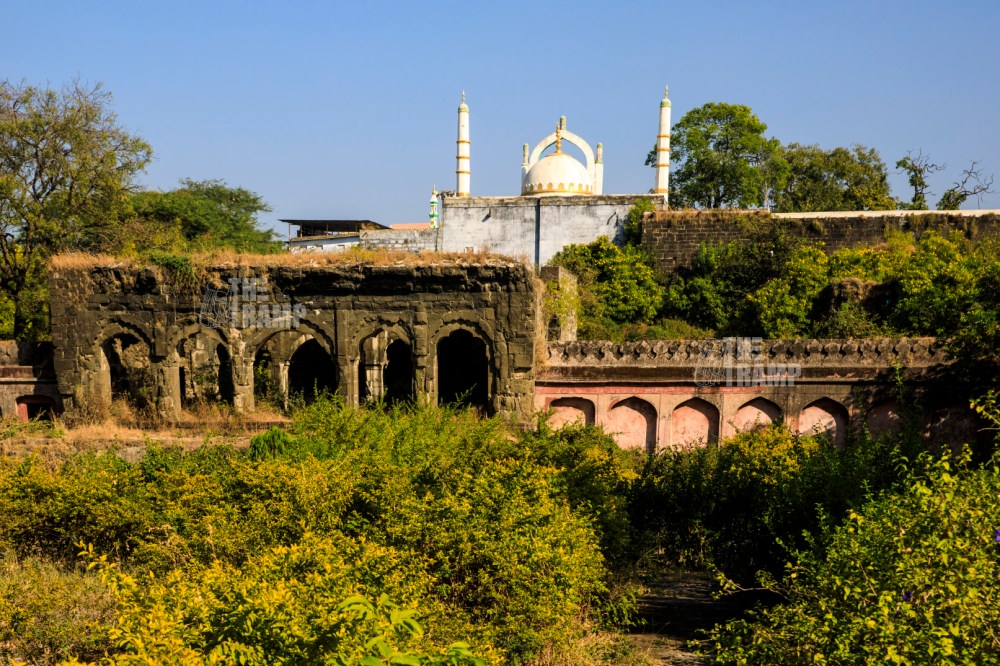
The setting sun painted our journey in golden hues. The fort, the mosque, the tombs—all left their mark, their stories etched into our hearts.
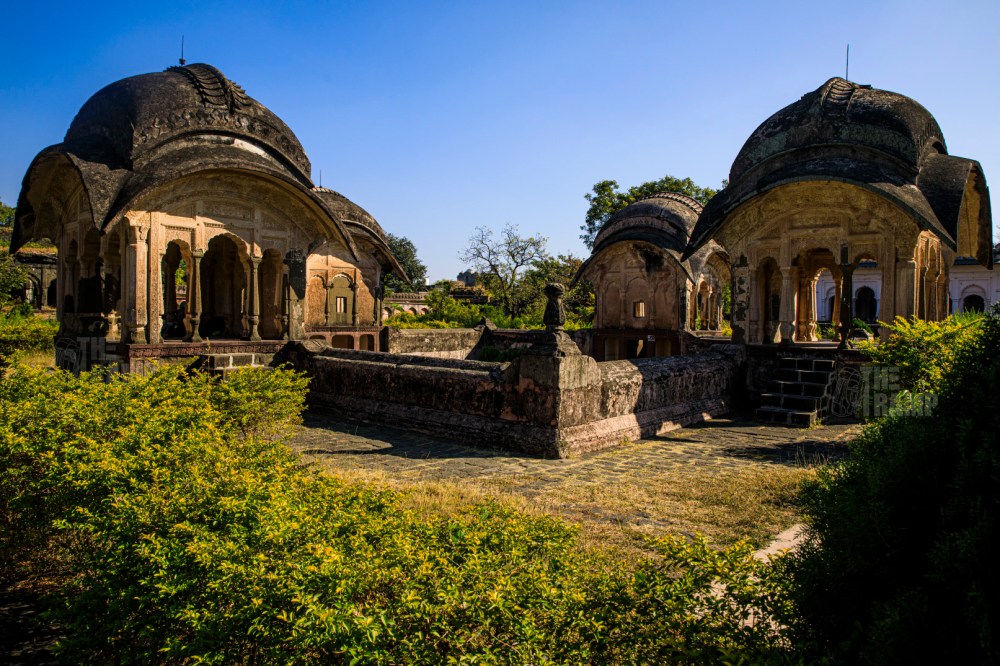
Perhaps, in time, this series will find its title.
“A Tale of Two Cities” fits… but fellow readers, what do you think?”

