
I stepped down from the bus and a thought came to me at once: this place could be called The Colours of Youth. On this day, I was walking through central London—starting at Trafalgar Square, passing through Leicester Square and Piccadilly Circus, continuing along Shaftesbury Avenue, crossing Chinatown, and finally arriving at Soho Square.
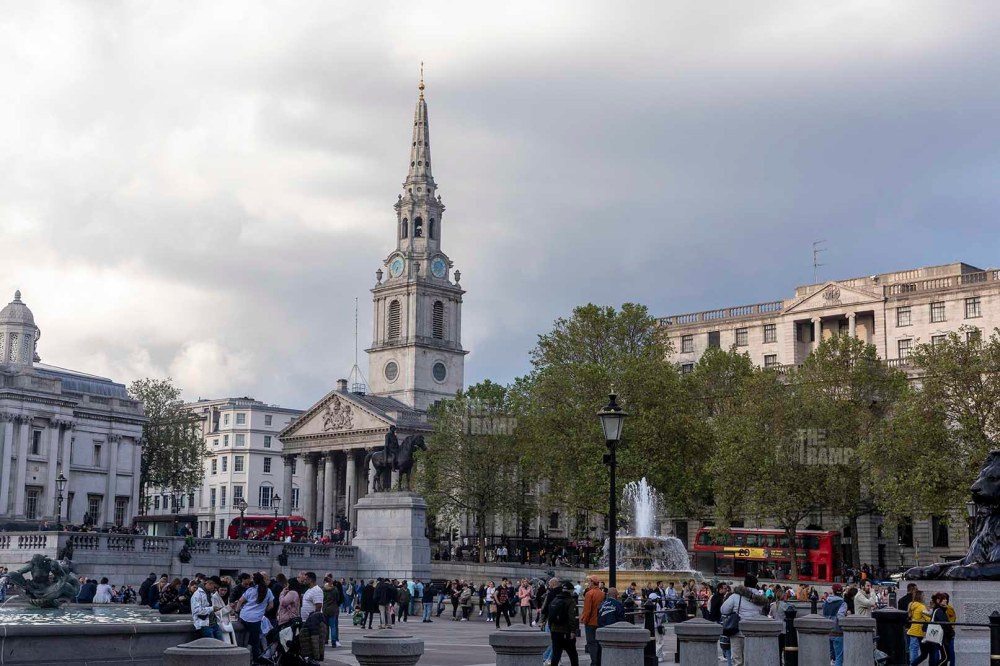
London belongs to everyone: children, the young, and the old. The city shelters childhood, welcomes youth, and respects age. But this neighbourhood is different. Here, youth never sleeps. It is bold, colourful, loud, and restless. Youth gathers to protest in Trafalgar Square, performs on stages along Shaftesbury Avenue, dances through the night in Soho’s clubs, and plays mischief across Leicester Square and Chinatown.
This is why this walk deserves a post of its own. Yes, it lies within Westminster borough. Yes, it can be done in one long walk—I did it—but it is tiring. These days, I move slower. This is a slower walk through one of London’s most energetic districts.
Starting Point: Charing Cross and Trafalgar Square
I began at Charing Cross Tube Station, the closest Underground station to Trafalgar Square. Many London buses also stop right at the foot of the square, making this an easy starting point for any central London walking tour.
Trafalgar Square: London’s Global Living Room
Trafalgar Square is London’s meeting ground—perhaps even the world’s. It is a vast open space where people of every colour, language, and mood gather. Some laugh. Some talk. Some fall in love. Some kiss freely. The fountains cool tired minds while, in one corner, a protest rises—voices against the latest war. People from many nations join in, slogans flying into the air. Just behind them, lovers whisper to each other.
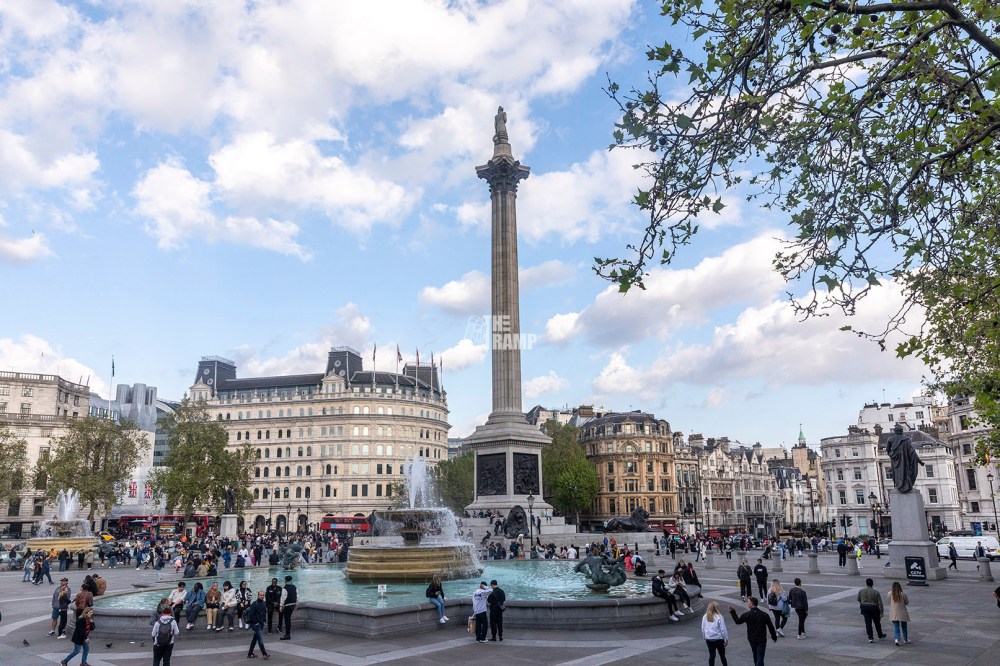
In 1805, the Battle of Trafalgar changed British naval history. England defeated France and Spain, led by Napoleon, but Admiral Horatio Lord Nelson was killed at the moment of victory. This square honours that battle and Nelson’s courage. That is why celebration and protest live side by side here.
At the centre stands Nelson’s Column, guarded by four lions. On the north-west corner sits the Fourth Plinth, a rotating platform for contemporary art—always changing, always questioning.
The National Gallery: Art, Empire, and Responsibility
The National Gallery, beside Trafalgar Square, stands quietly. Inside are paintings and sculptures from across the world, inspired in part by the Louvre in Paris. Not as grand, perhaps, but rich in its own way.
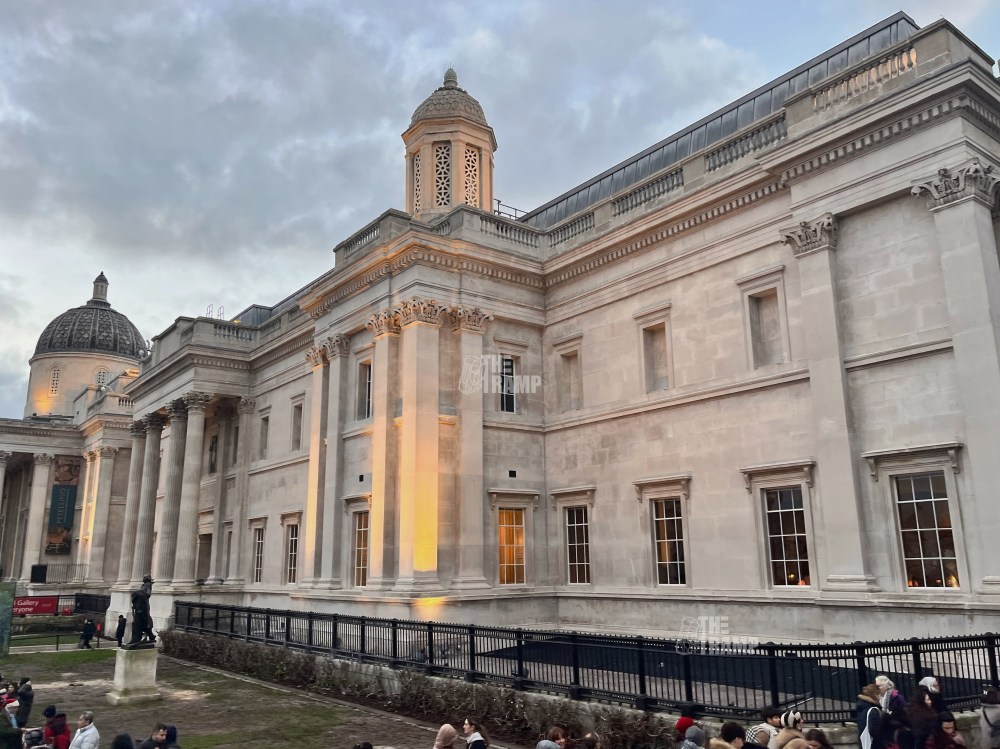
An Indian gentleman once asked me whether these works were collected during the colonial period. “Some, yes,” I replied. “But many are British collections. Some arrived through exchange. Some are replicas.” Turner’s works are original. Van Gogh’s famous chair came through exchange.
As I moved through the galleries, my attention shifted—from European masters to the Middle East, Egypt, and Africa. This country values archives. Its people value responsibility. Education arrived early here. In the India section, a Chola-era Nataraja caught my eye, while a powerful sculpture of Goddess Kali stood silently nearby.
National Portrait Gallery: Preserving Faces, Preserving Memory
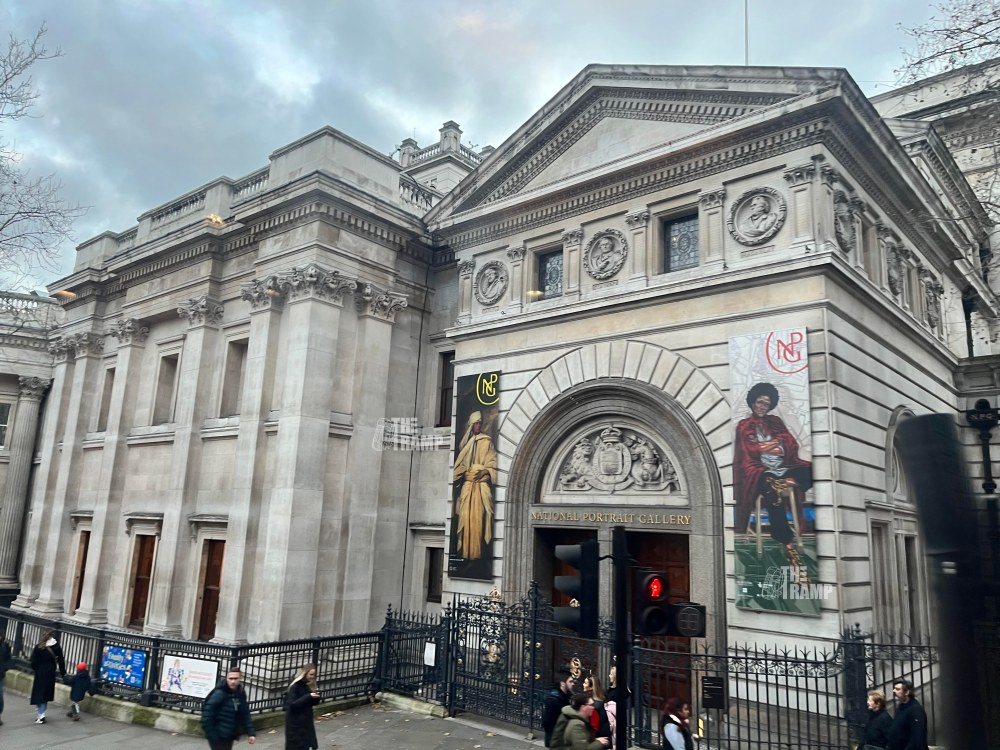
Stepping outside, we turned left, then left again, arriving at the National Portrait Gallery. Inside hang faces that shaped history, painted by master artists. Here is the only known portrait of William Shakespeare created during his lifetime.
Europe has a deep archiving instinct. History is preserved carefully. Roots are protected. And from those roots, the future grows.
Leicester Square: Cinema, Chaos, and Survival
From Orange Street, a left turn brought us to Leicester Square, London’s cinema district. Movie theatres dominate the area—stages, screens, and spotlights everywhere. To the north stand two legends: the Empire and the Hippodrome, both tied to casinos and music halls.
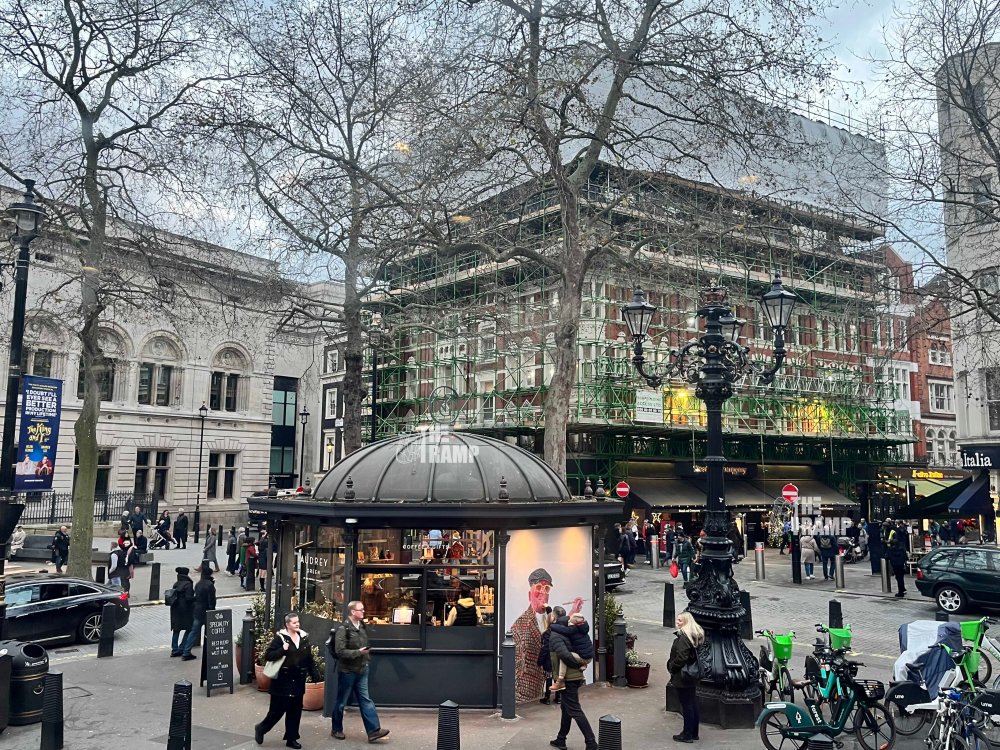
A statue of Charlie Chaplin, London’s own son, smiles quietly nearby. At the centre of Leicester Square is a small park containing the William Shakespeare Fountain.
From here, stretching toward Piccadilly Circus, Soho, and Chinatown, are restaurants, pubs, casinos, adult stores, and massage parlours. Discreetly among them are brothels. After the COVID-19 lockdowns, when London slowly began to breathe again, this was one of the first places where sex workers returned. Life, after all, always returns to this zone.
Piccadilly Circus to Shaftesbury Avenue: The Theatre Spine of London
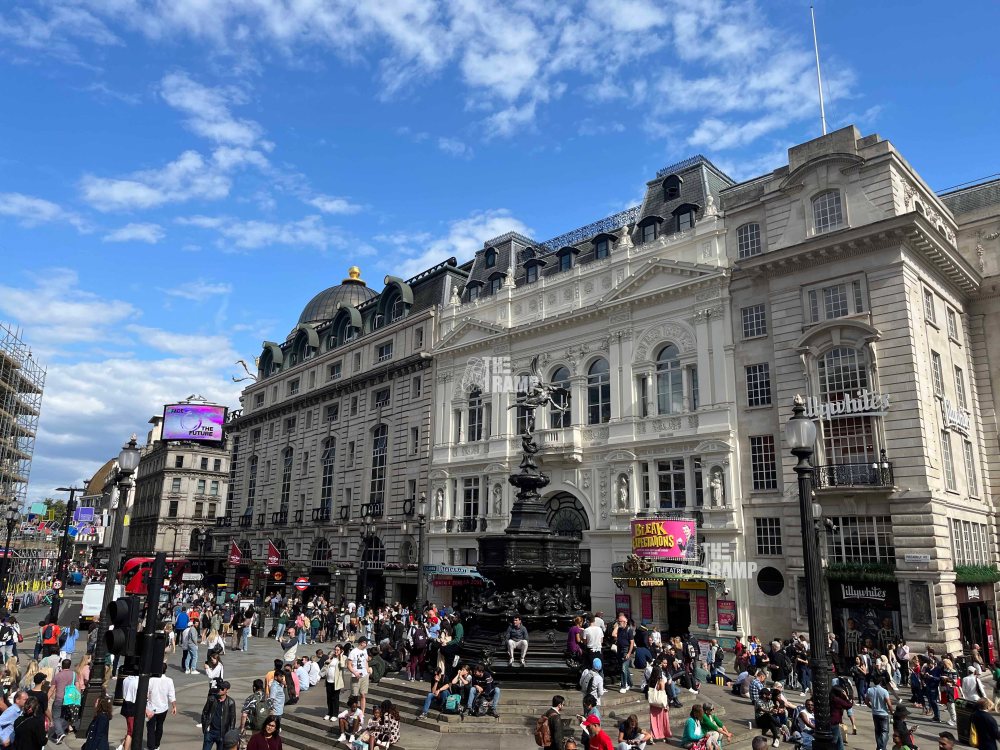
A short walk west brings you to Piccadilly Circus—flashy, restless, seductive. At the centre stands the figure of Eros, surrounded by music halls, restaurants, pubs, and constant movement. Bright lights. Endless motion.
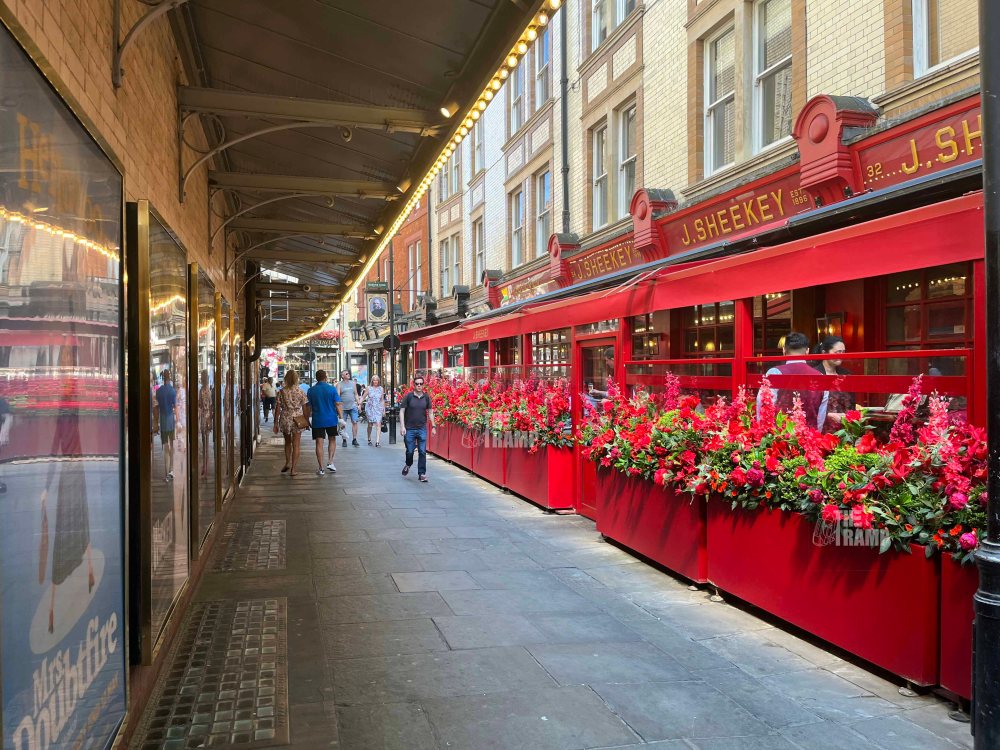
A small turn leads into Shaftesbury Avenue, the heart of London’s theatre district. Stages line both sides of the road. Curtains rise every night. Walk a little further, and you enter Chinatown.
Chinatown London: Neon, Food, and Night Energy
Stepping into Chinatown London feels like entering Tintin’s Blue Lotus. Bright colours, neon signs, and the smell of food—and weed—fill the air. Dreamy eyes drift past crowded restaurants and bars.
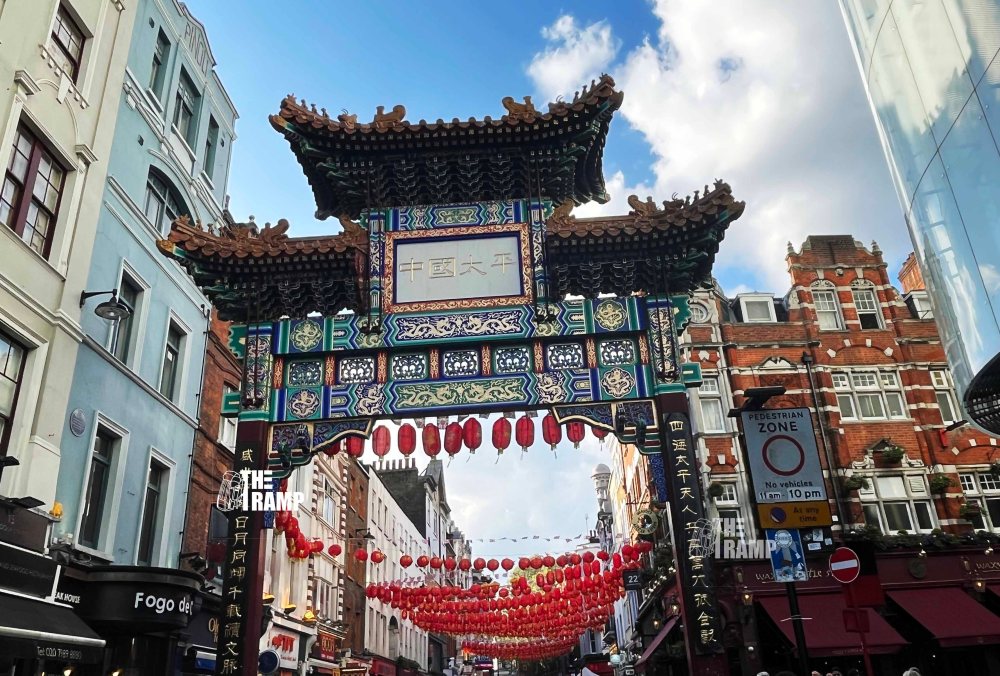
This is the only part of London where rickshaws still operate, adding to the playful chaos. Food from across Asia gathers here: Thai, Cantonese, Sichuan, Japanese, Malaysian. Jen Café is especially known for its tea.
Soho Square: Where the Walk Slows Down
My final stop was Soho Square. Not just London’s wildest neighbourhood, but England’s. The playground of youth. Its paradise. All summer long, the square hosts free concerts, festivals, and open-air joy.

Today, Soho is also the heart of the British film industry. I spent the evening in a pub nearby—no rush, just watching life pass.
Ending the Walk: Leaving Soho Behind
This walk ends here. Some evenings belong to Soho alone. You don’t take them with you. You leave them behind.
 The Tramp