
The art of ancient India reached its pinnacle in Ajanta and Ellora. Standing amidst the grandeur of Ellora’s caves, my mother and I gazed upon the artifacts of a lost civilization, marveling at the craftsmanship that had transformed mere rock into divine expressions. How was such perfection achieved? Talent, a deep sense of aesthetics, and an unwavering dedication to creation—it was as if devotion itself had been carved into stone.
Leaving Aurangabad behind, we embarked on our journey to Ellora, where centuries of history lay etched into monolithic cliffs. The road unfurled before us like an ancient pathway, lined with whispering trees and sunlit dust curling in spirals. As we neared the site, anticipation gripped me—a silent reverence before something greater than time itself.

We entered the cave complex from the Ellora car park, the excitement mounting as our digital tickets were scanned. A lush park stretched before us, and right beyond it stood Cave 16—the famed Kailasa Temple, its magnificence drawing crowds. Yet we had chosen a different path, a journey beginning at Cave 1, unraveling Ellora’s secrets in perfect sequence.
There was a golf car facility, an efficient means to traverse the vast expanse of the caves. Purchasing our tickets, we stepped aboard. As the vehicle hummed forward, I offered my mother a glimpse of the wonders ahead.
“There are thirty-four caves in Ellora,” I began. “Caves 1 to 12 belong to Buddhism, Caves 13 to 29 to Hinduism, and Caves 30 to 34 to Jainism.”
The journey had begun.
Cave 1-12: The Buddhist Excellency
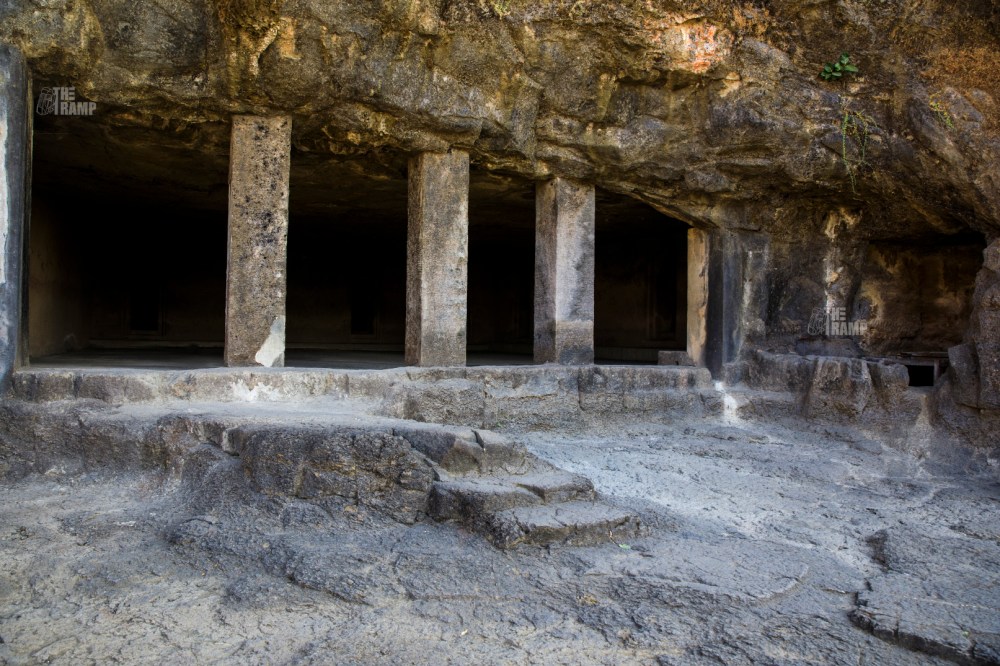
The first Buddhist caves greeted us with an aura of solitude, their monastic purpose evident in their simplicity.

Cave 1–5: The Simplicity of Beginnings
Cave 1 was a quiet sanctuary, its halls lined with cells that once sheltered meditative monks. The silence here felt sacred, as if centuries of contemplation still lingered in the air.
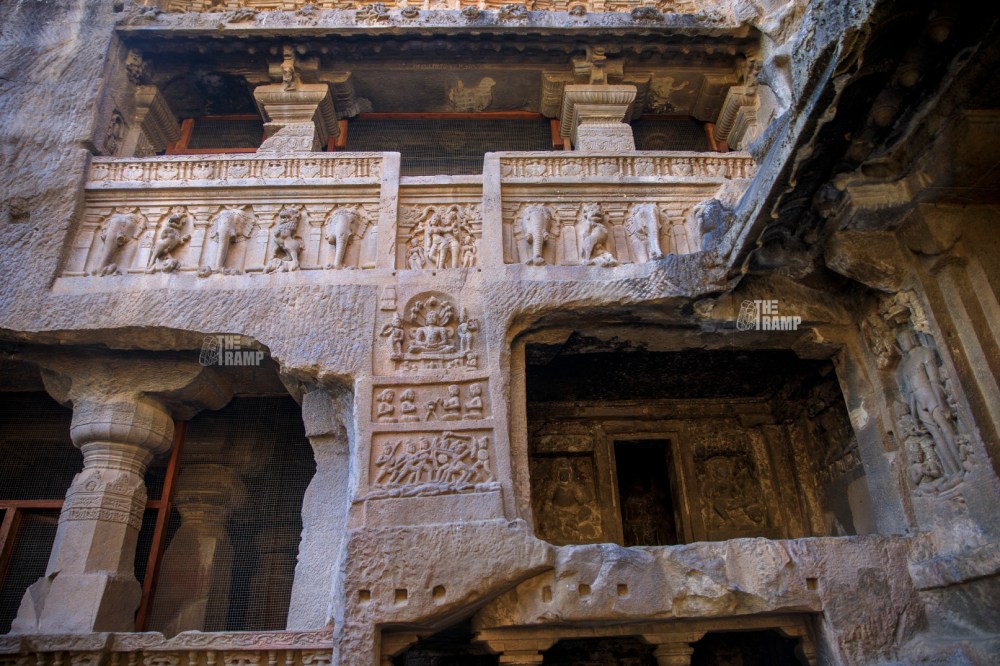
Cave 2 revealed sculptural brilliance, its entrance guarded by formidable figures, their expressions both fierce and protective. Along the walls, friezes of Buddha narrated serene wisdom, their artistry delicate yet profound.

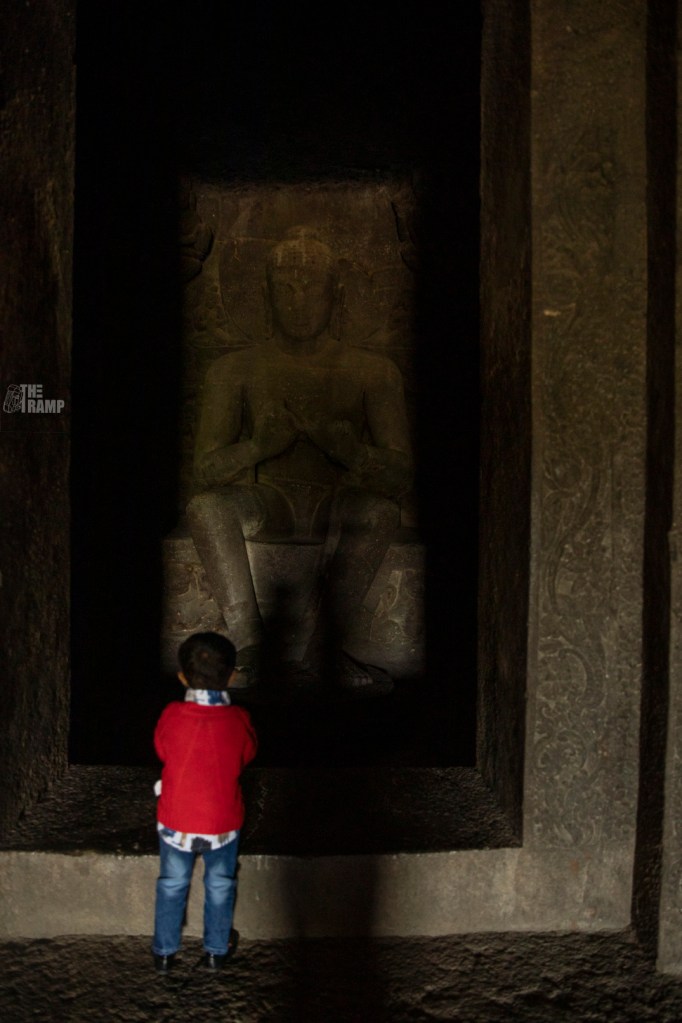
Caves 3, 4, and 5 carried a rhythmic elegance—spacious halls punctuated by slender stone pillars.
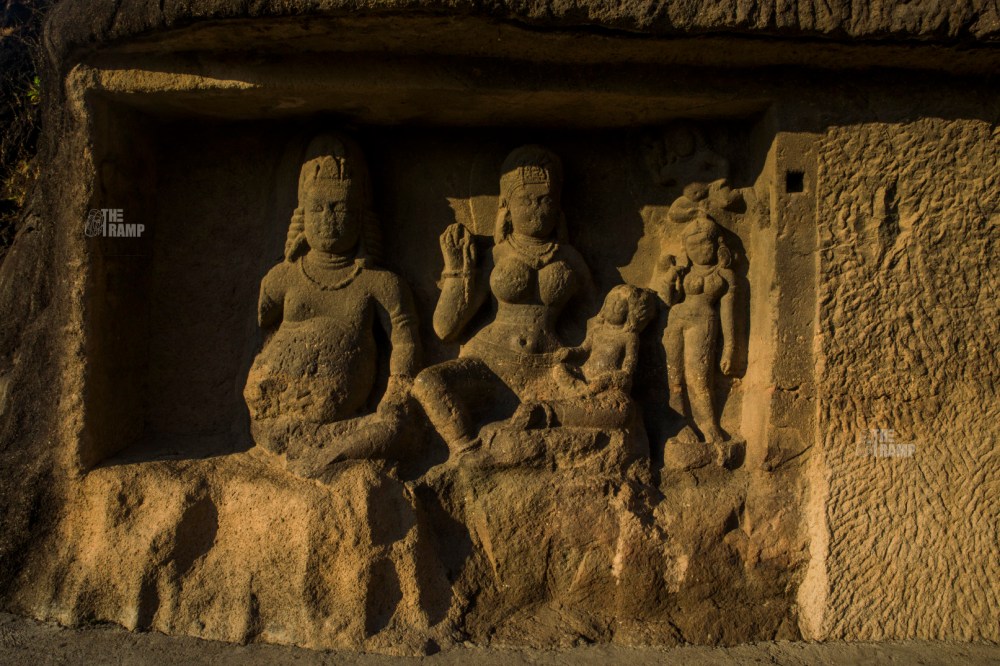
Cave 5 stood apart, its vast chamber lined with parallel benches, suggesting a space for communal prayers or scholarly gatherings. The thought of monks seated here, their voices resonating against stone, made me pause.

Cave 6–12: Buddha’s Silence, Stone’s Echo
Moving deeper into Ellora, the artistry grew more intricate. Cave 6 introduced us to the imposing figure of Goddess Tara, while Cave 7 welcomed Bodhisattvas, their sculpted expressions radiating benevolence.

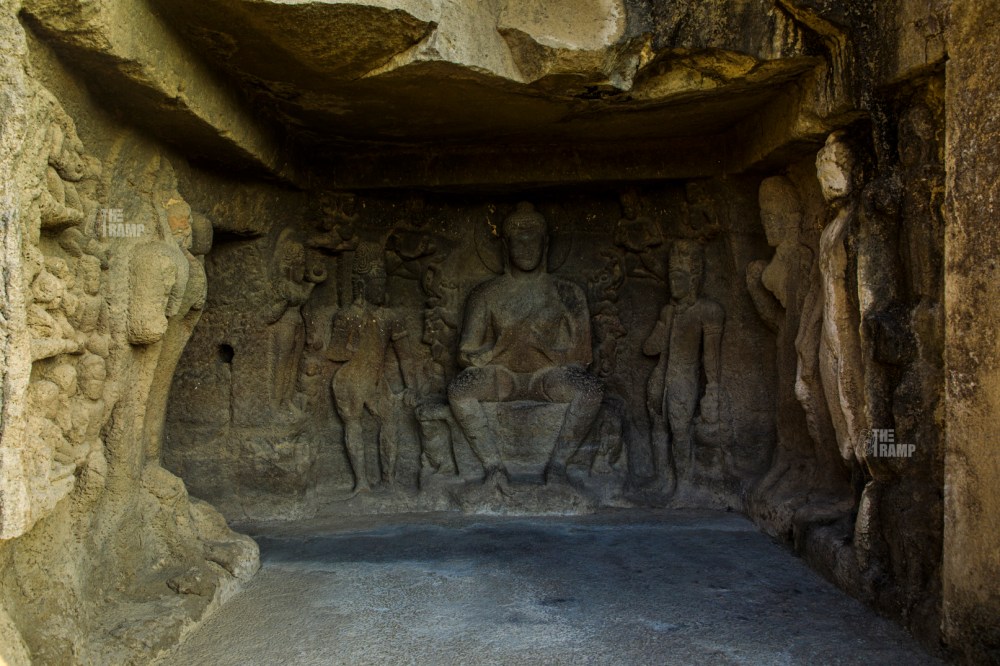
Cave 8’s vast hall stretched before us, its stone walls adorned with delicate images of Tara and Avalokiteshvara, divine protectors of wisdom and compassion.

Cave 9, modest yet powerful, revealed statues of Buddha alongside lotus engravings and Avalokiteshvara, echoing themes of enlightenment.
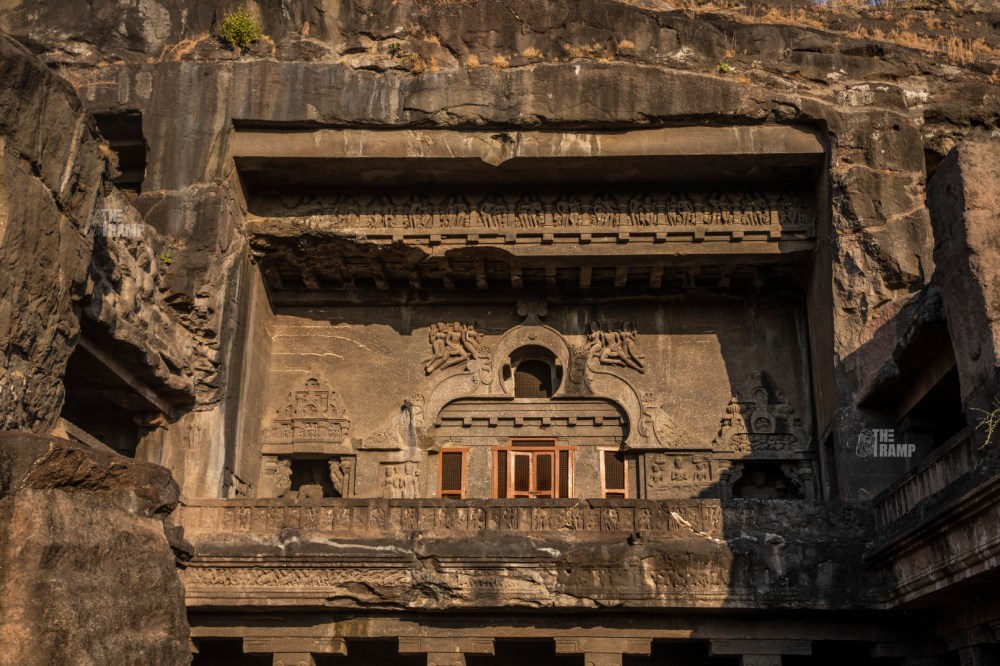
Cave 10, Vishvakarma, unfolded like a sacred cathedral. Its chaitya hall soared overhead, ribbed in stone to mimic ancient wooden architecture. At its heart, a towering seated Buddha presided in eternal meditation. My mother whispered, “It’s almost as if he’s still meditating.” The stillness enveloped us, timeless and profound.

Cave 11, though two-storied, bore no visible artwork, its simplicity contrasting with the ornate structures nearby.
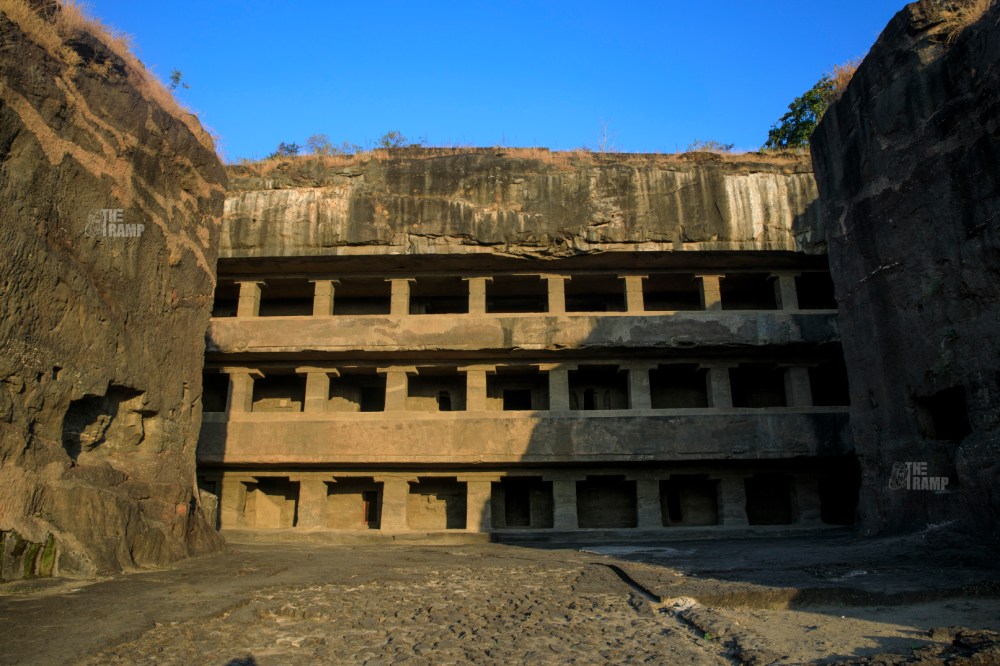
Cave 12 loomed before us—a three-story marvel, each level lined with seated Buddhas, their expressions subtly varied, as if whispering silent truths from their carved lips.
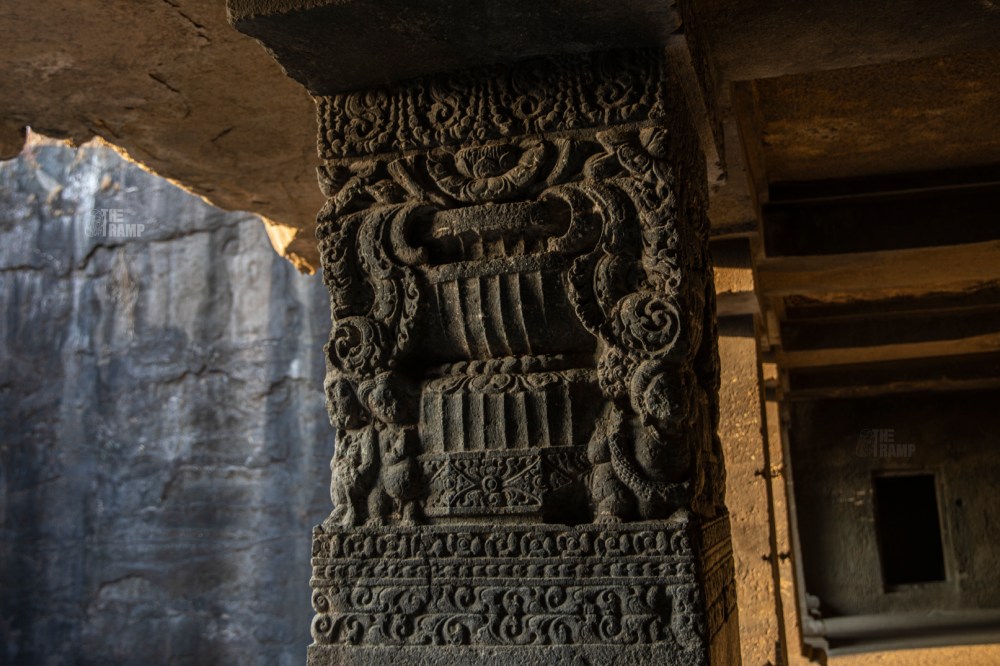

Cave 13–29: The Hindu Marvels Begin
Ellora’s transition from Buddhist serenity to Hindu grandeur was dramatic. Cave 13 marked our first step into a world where divinity was celebrated with unparalleled artistry.
Cave 14 wove narratives of Vishnu and Shiva through elaborate reliefs, the walls alive with mythological tales.


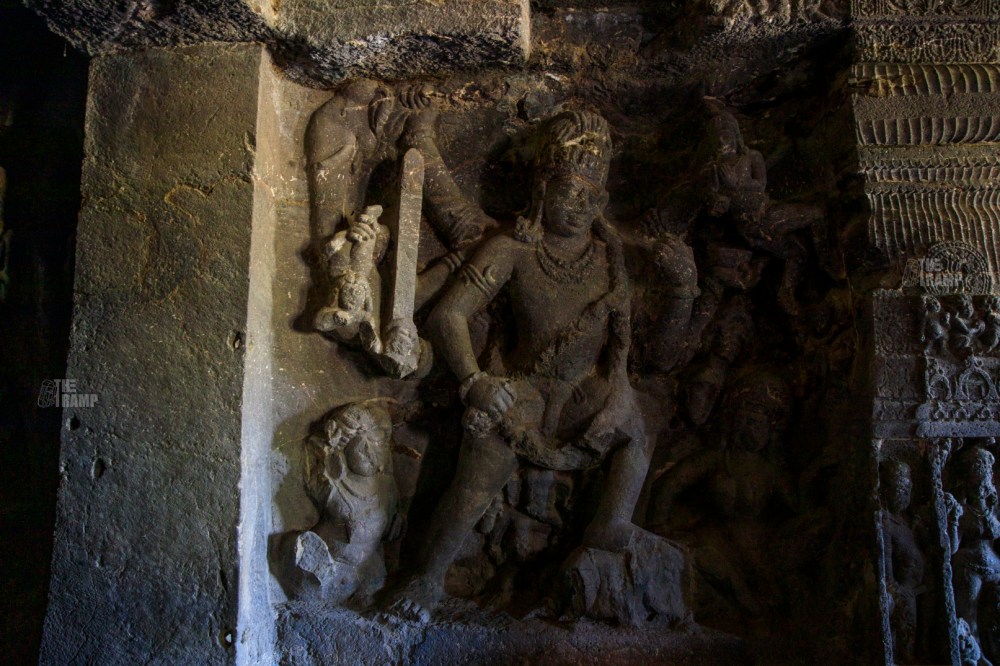
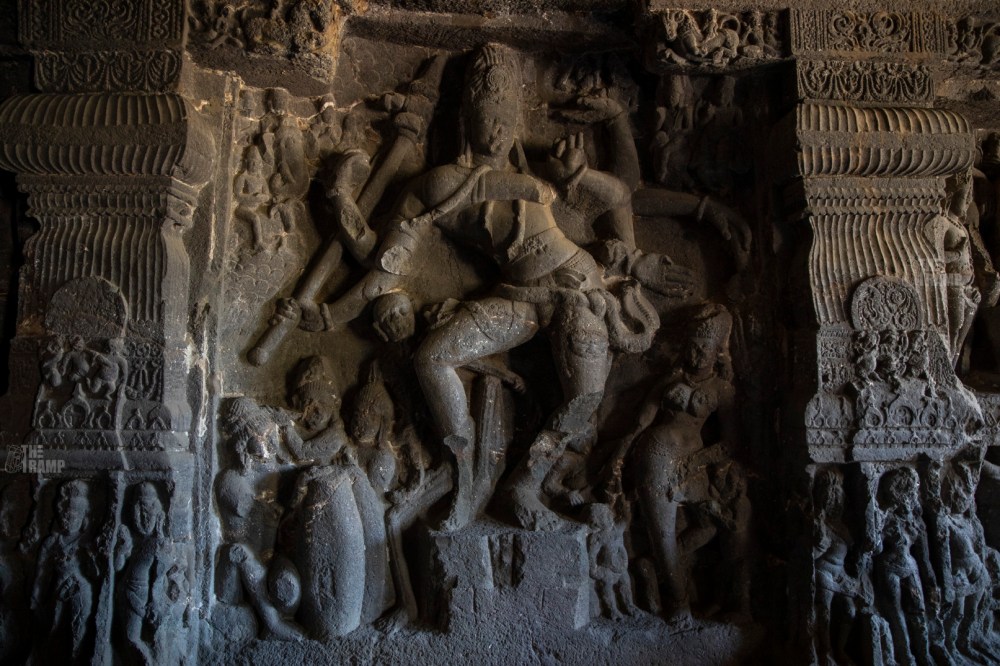

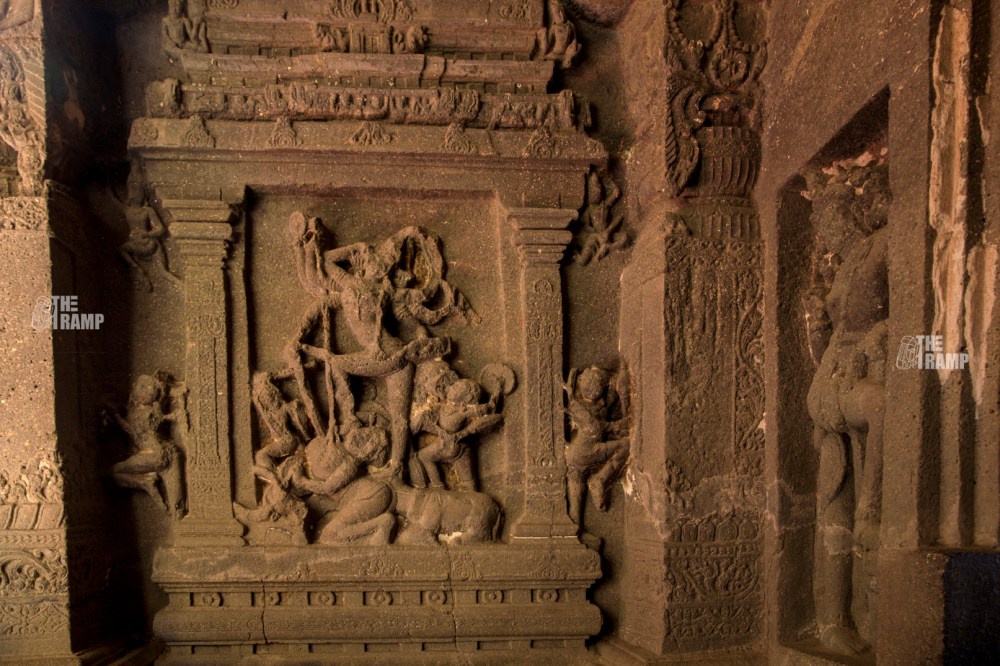
Cave 15, Dasavatara, unfolded a sacred story—the ten incarnations of Vishnu, each figure carved with astonishing detail, a frozen testament to divine transformation.

And then—Kailasa.
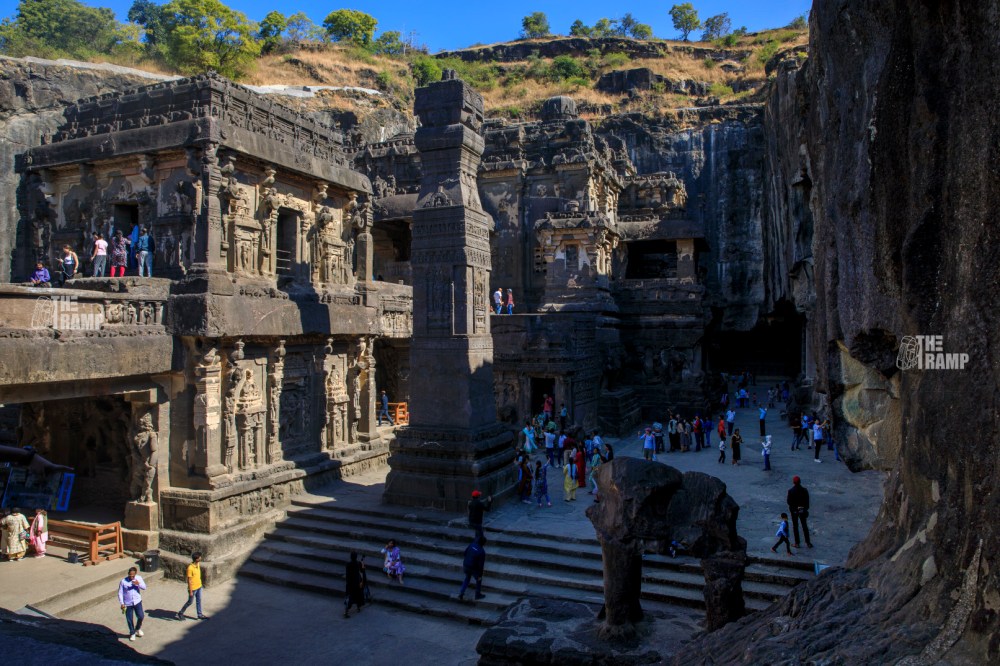
Cave 16 towered before us, a mountain sculpted from monolithic rock, its scale breathtaking. Here, art met devotion in its purest form—the colossal pillars, the intricate hallways, the battle scene where Ravana struggled to shake Mount Kailasa. My mother ran her fingers along a carved figure, murmuring, “Imagine the patience it took.” In that moment, history felt alive.


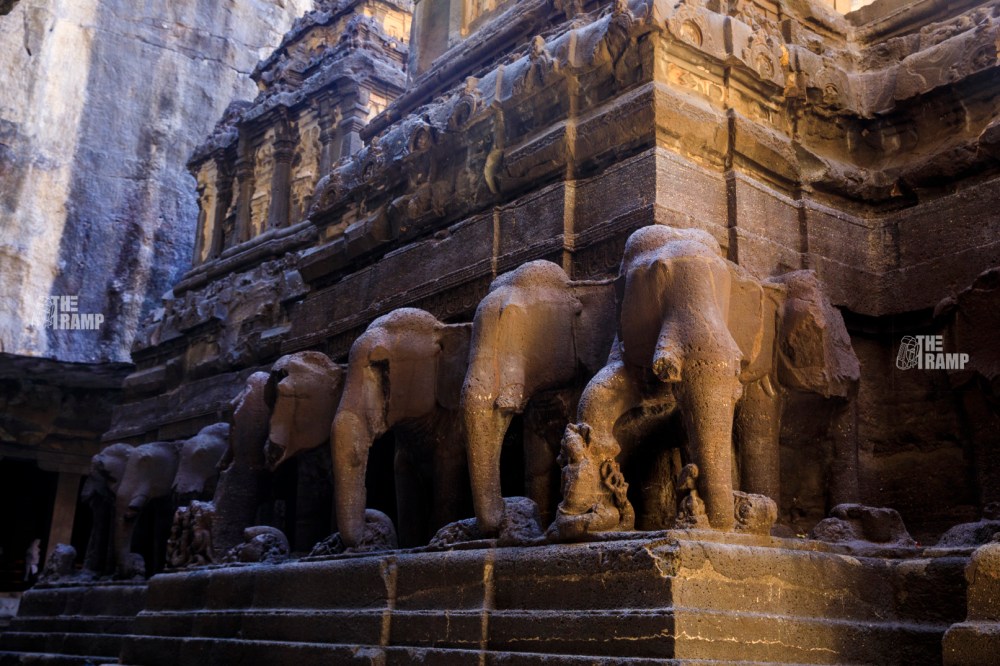

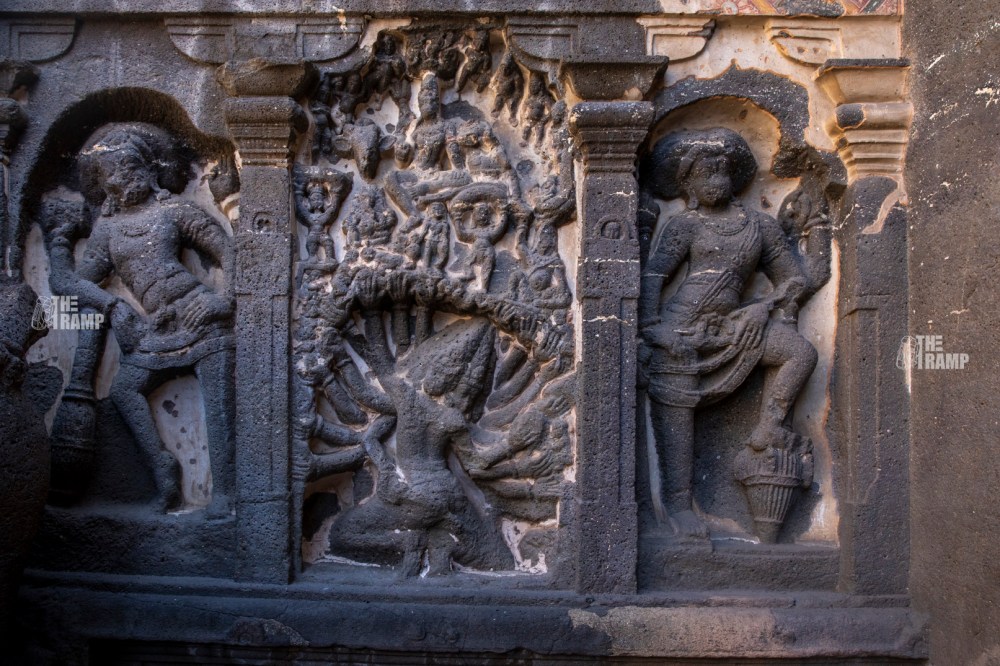

Caves 17 to 29 added more layers to this symphony of stone:
Cave 17 captured celestial beings, its intricate reliefs depicting divine battles with palpable energy.

Cave 18 housed a shrine dedicated to meditative postures and sacred symbolism, simple yet profound.
Cave 19 displayed Shiva as Nataraja, frozen mid-dance, each limb exuding rhythmic grace.
Cave 20 was adorned with floral-carved pillars and a Shiva lingam, marking its spiritual significance.
Cave 21, Rameshwar, welcomed us with sculptures of Ganga and Yamuna, their flowing garments and divine presence breathtaking.
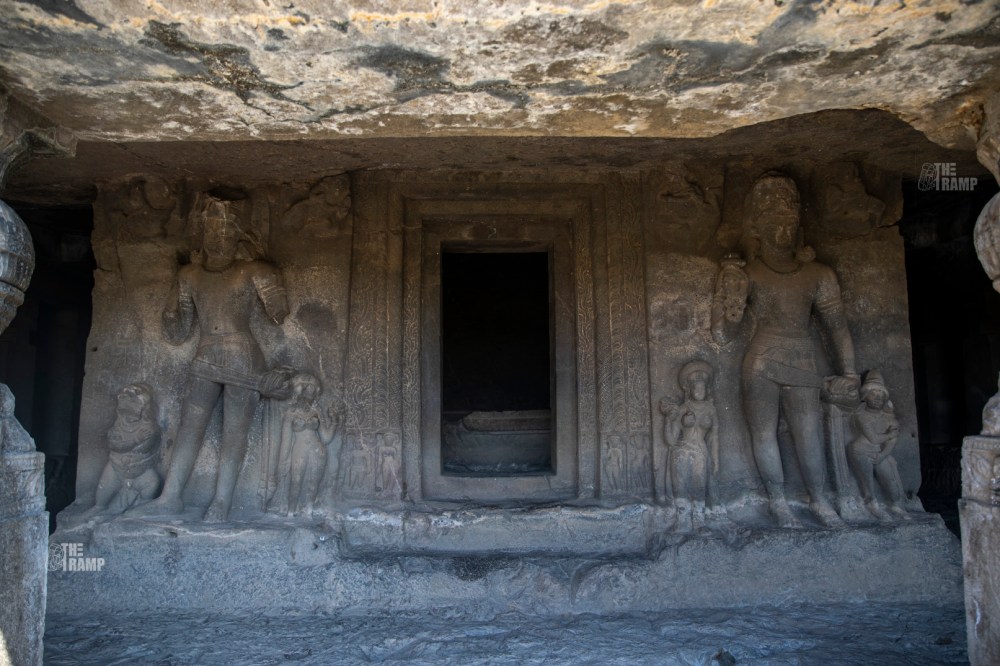

Caves 22 through 29 continued the journey—each one a story carved into stone, each deity imbued with artistry and reverence.
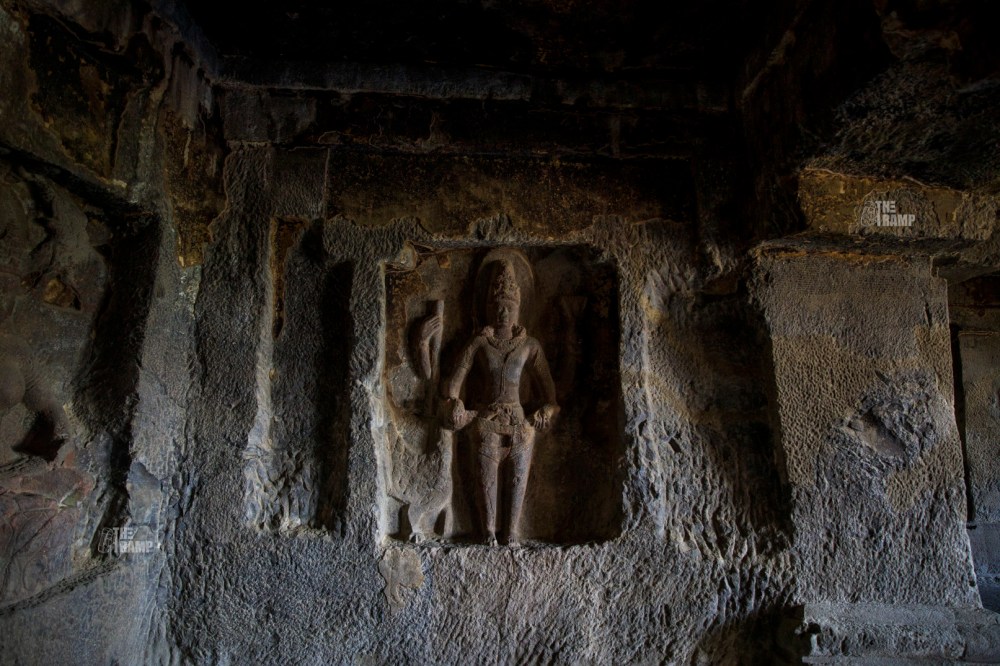
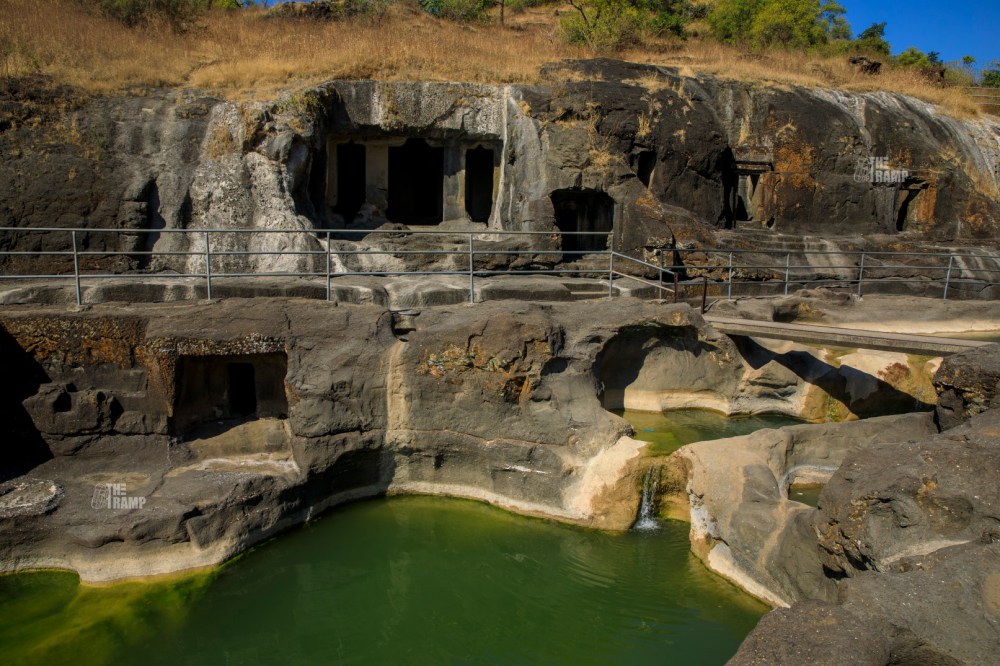
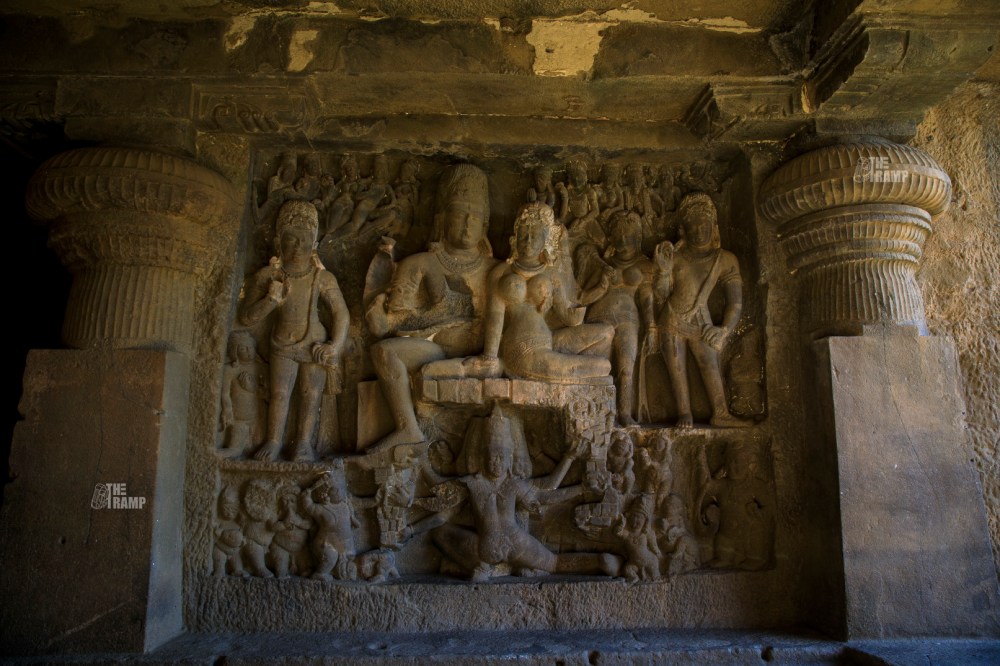


Cave 30–34: The Jain Elegance
The final stretch carried the refinement of Jain craftsmanship, secluded and pristine. The golf car proved invaluable, as the hill route was closed due to loose boulders.
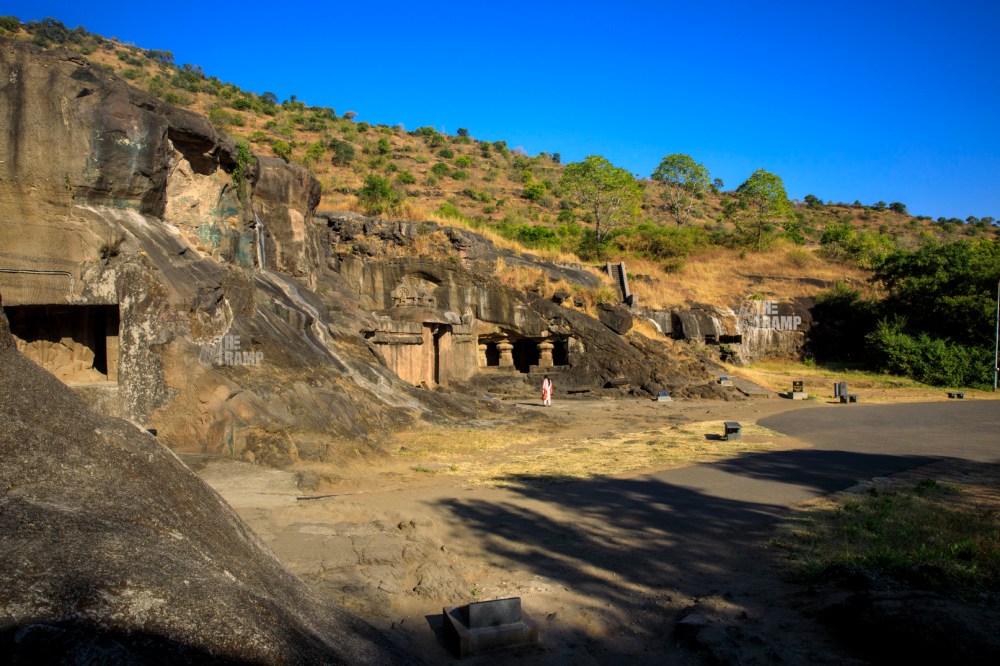
Cave 30, Chhota Kailasa, bore a striking resemblance to its Hindu counterpart, entered through a grand ‘gopura’-like gateway.

Cave 30A was modest yet solemn, a long hall leading to its porch.

Cave 31 housed magnificent figures of Yaksha and Yakshi, while Cave 31A remained unfinished.

Cave 32, Indra Sabha, was a marvel—its two-story structure adorned with exquisite Jain sculptures. The robes, the postures, the intricate carvings—they spoke of patience, devotion, and the quiet elegance of spiritual art.

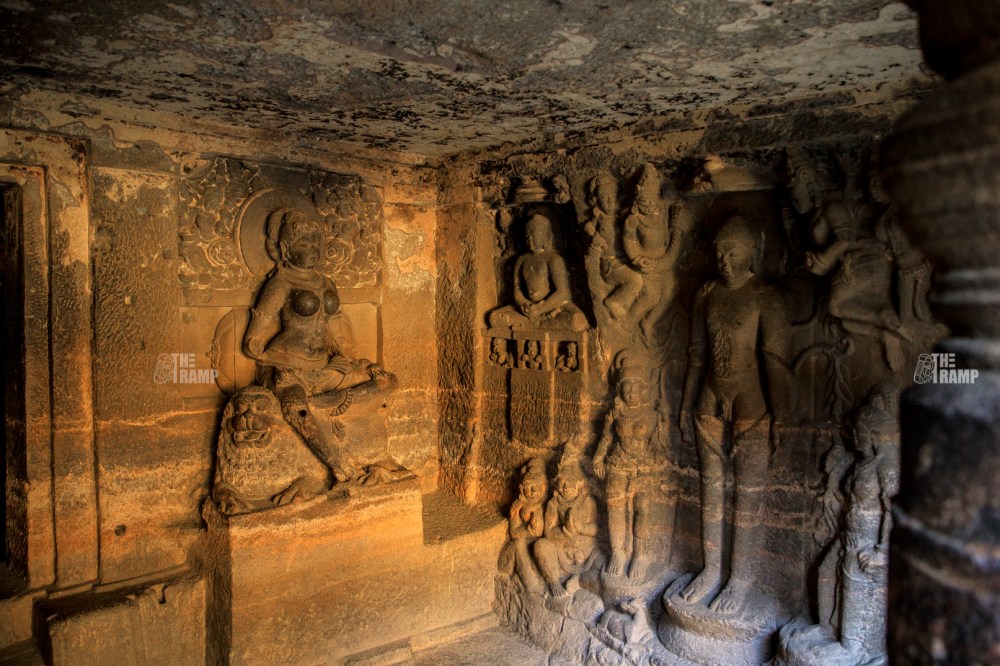
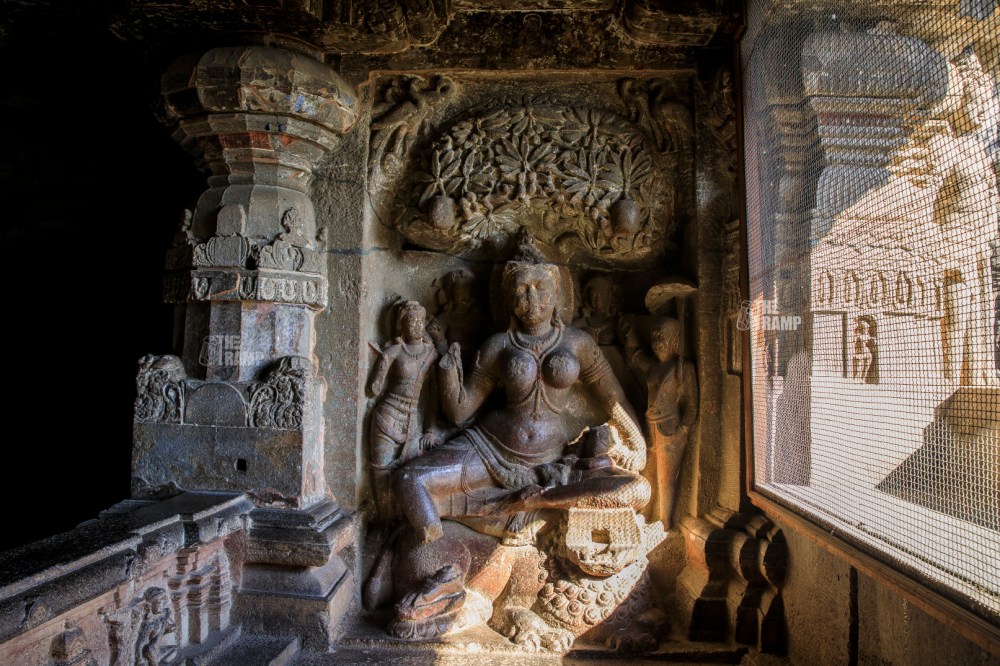

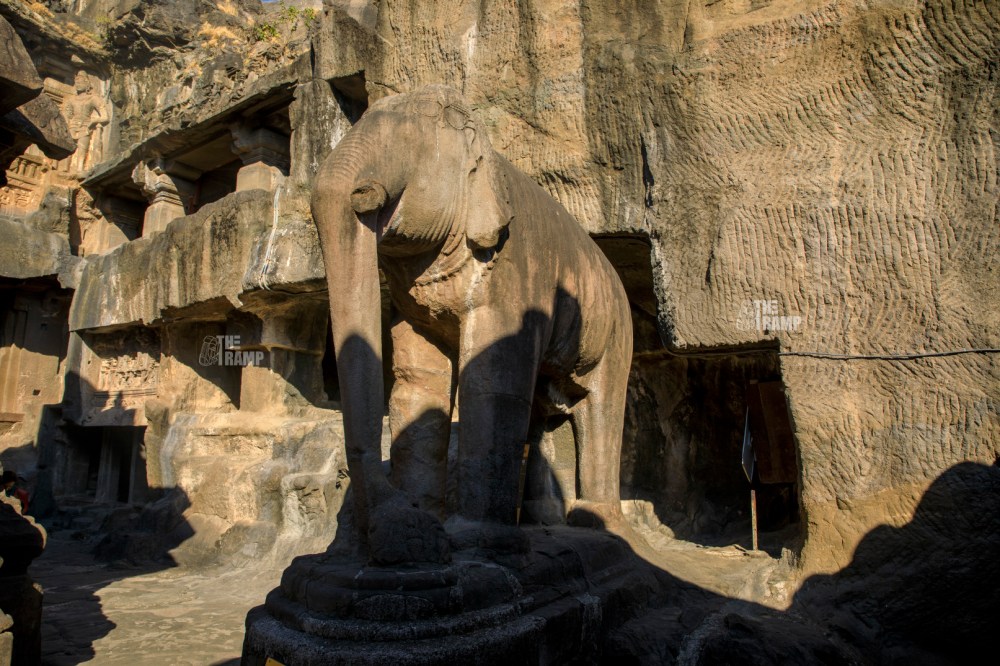
Cave 33, Jagannatha Sabha, paid homage to Mahavira, its walls decorated with Parsvanatha and Gommata, sculpted with divine precision.
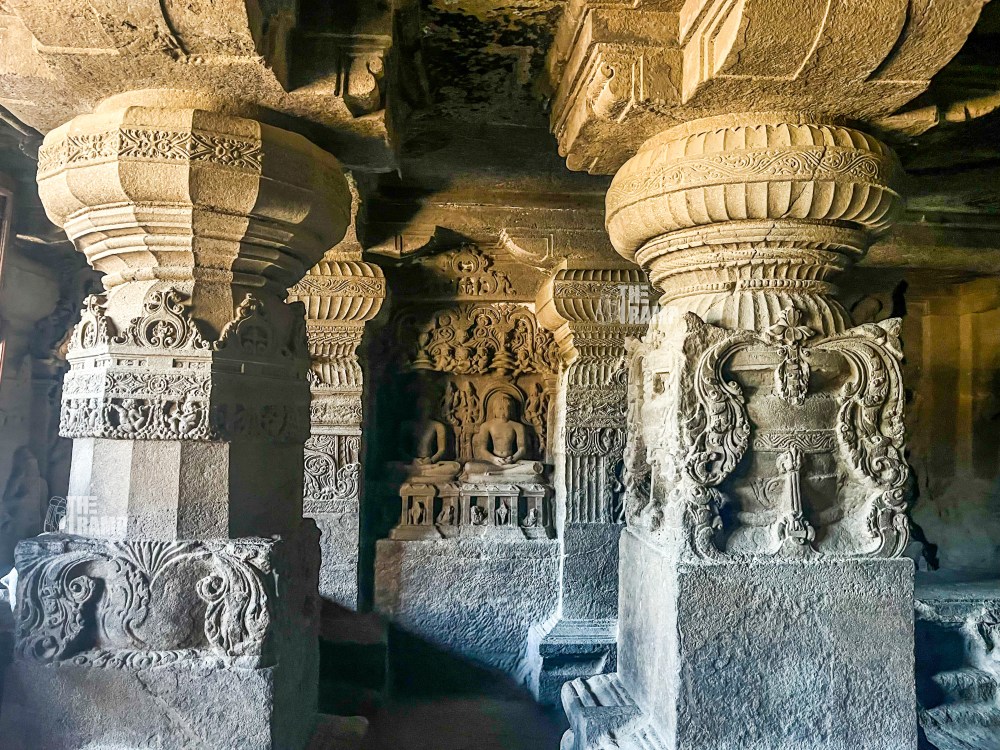
Cave 34, incomplete but evocative, marked the final step of our journey.
A Journey Etched in Memory
As the golden light draped over Ellora, my mother and I sat in contemplative silence, absorbing its majesty.
“This isn’t just history,” I murmured, tracing the lines of a carved deity. “It’s devotion carved into rock.”
Ellora had revealed its wonders—stories etched in stone, whispers of faith, echoes of an era untouched by time. As we left, I carried its essence with me, a memory forever imprinted within my soul.
Tramp’s Tips:
- MTDC Aurangabad Resort is not at all tourist friendly. I like to stay in Government accommodation, and I have great memories of staying in Government Hotels. But this experience I will try to forget soon. The Government Hotels in Ellora and Ajanta are really great.
- Ellora Cave Complex remains open Wednesday to Monday from 8 AM to 5.30 PM. Tuesday is weekly off. Please plan accordingly.
- Golf car charge is INR 70 per person for the day. Please do not throw the ticket.
- Please do not litter.
- There is a cafeteria inside the cave complex. You will get some snacks and soft drinks and some snacks for munch. For meals, there are plenty of options outside the cave complex.
- Please carry water bottle. Stay hydrated.
- Please do not touch the sculptures.
- Guides can be taken, but I suggest exploring alone.
Bibliography:
- World Heritage Series Ellora by Archaeological Survey of India
 The Tramp