
When you think of London, the first thing that comes to mind is the Tower Bridge. Then? Big Ben, Westminster Abbey, the red buses, and the hurried footfalls of countless tourists. Westminster is a neighborhood that refuses to be ignored—it whispers stories through its cobbled paths and grand facades. And while most visitors ride the famed red bus through its streets, walking is a different kind of enchantment.
I have walked through Westminster countless times while living in London, but nothing compares to the summer of 2023, when Raai arrived in England for her dance workshop. The city hummed in golden sunlight, and together, we wandered through its historic veins, letting London weave its charm into our story. Today, I take you on that journey. Map for this route is given at the bottom of the post.
Buckingham Palace: Where History Still Breathes
Our adventure started at Buckingham Palace, the very heart of British monarchy. From our cozy apartment in Notting Hill, we hopped onto the Circle Line tube to St. James’s Park, then strolled down Birdcage Walk, past green expanses, arriving at the famed Spur Road crossing.
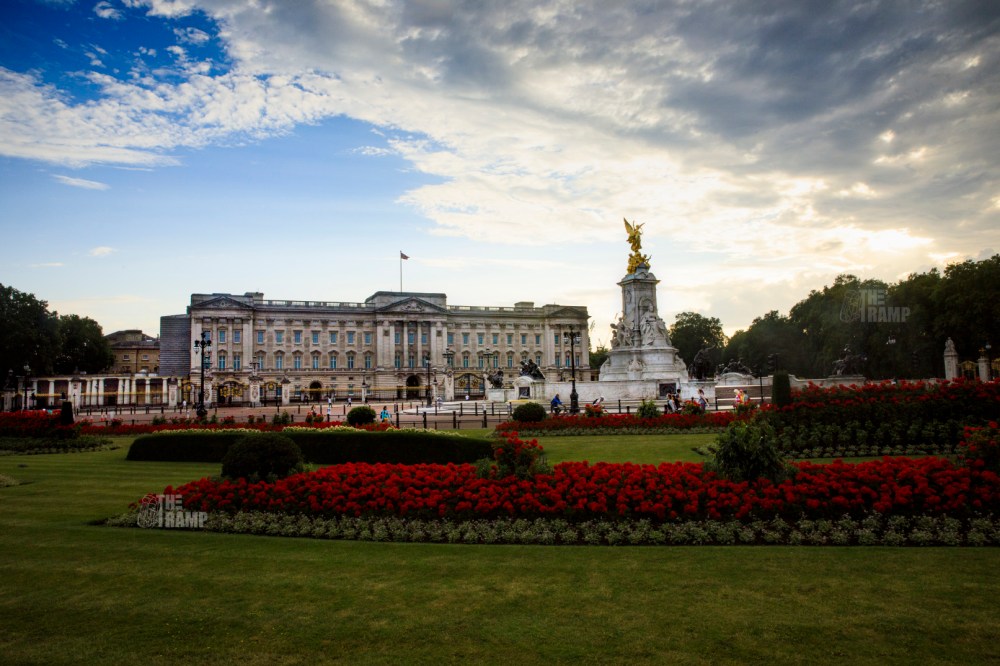
Raai paused, gazing at the palace’s grandeur.
“This is it—the place that once ruled the world,” she mused.
“Still does,” I replied.
She laughed, half agreeing – Authority might shift, but influence never dies.
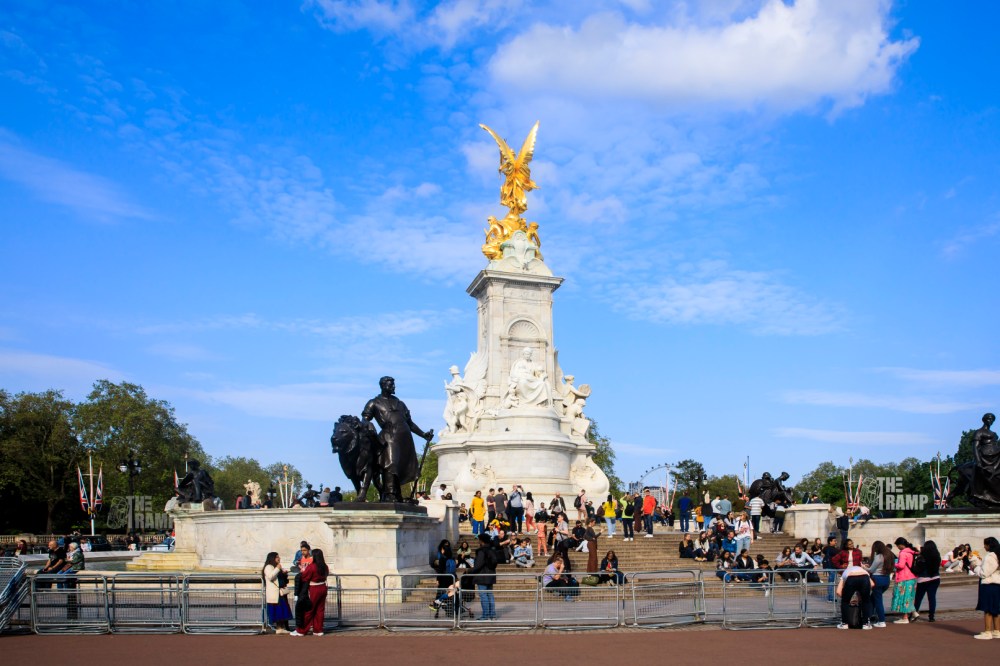
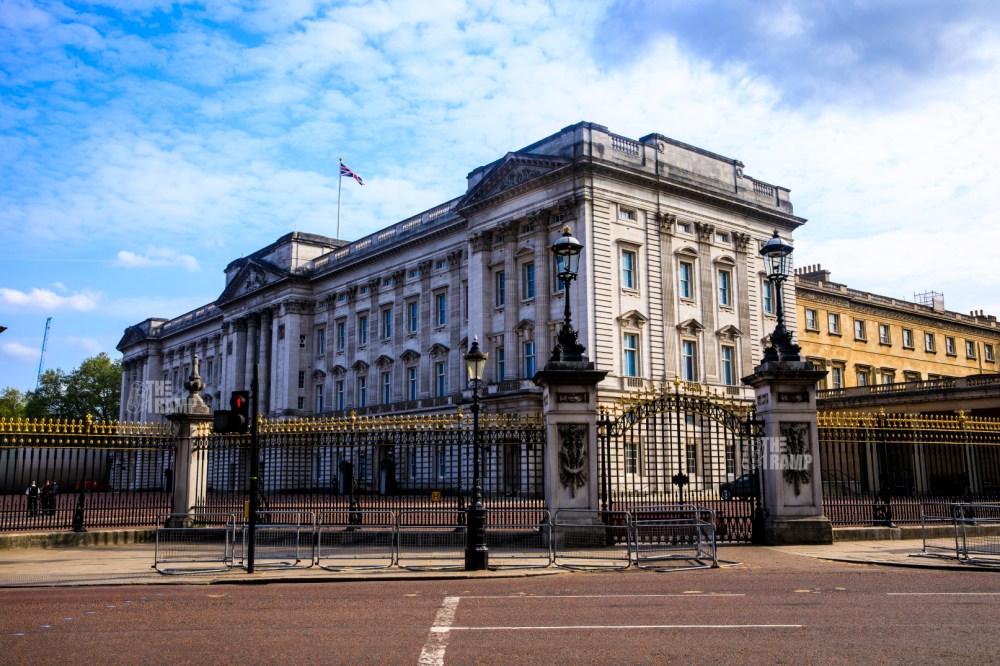
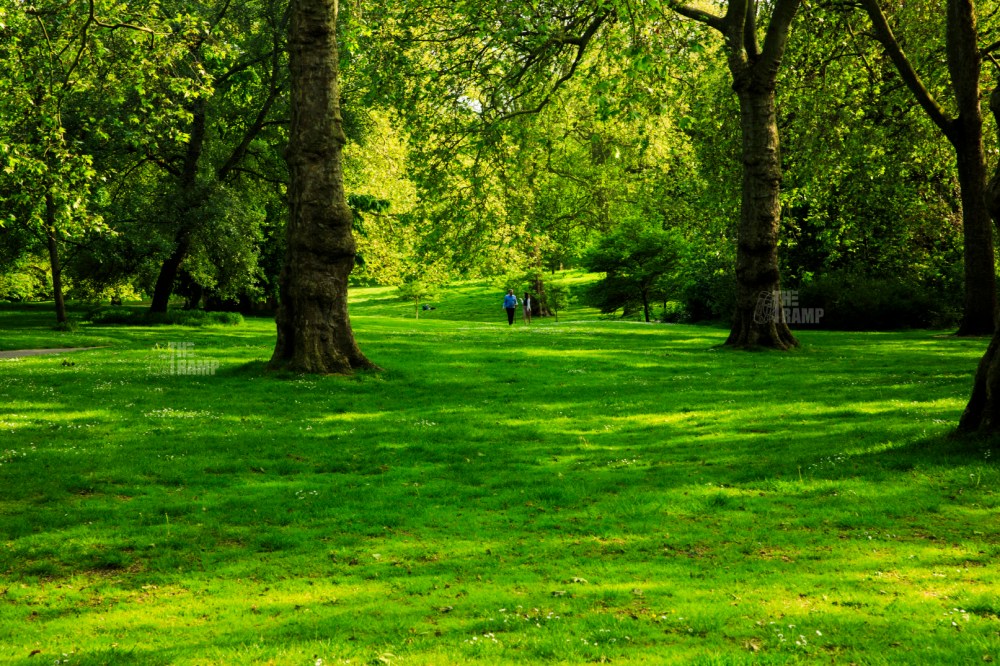
Buckingham Palace is not just a royal residence—it’s a storybook bound in stone and gilded gates. Four sprawling gardens envelop it, making it a paradise for green lovers like Raai. We meandered through Constitution Hill, where maple trees lined the pathway like sentinels, offering respite from the urban rush.
Suddenly, Raai stopped in her tracks. “Look! You can spot the London Eye right through those buildings.” Her photographer’s instincts kicked in. “Shall we go that way?”
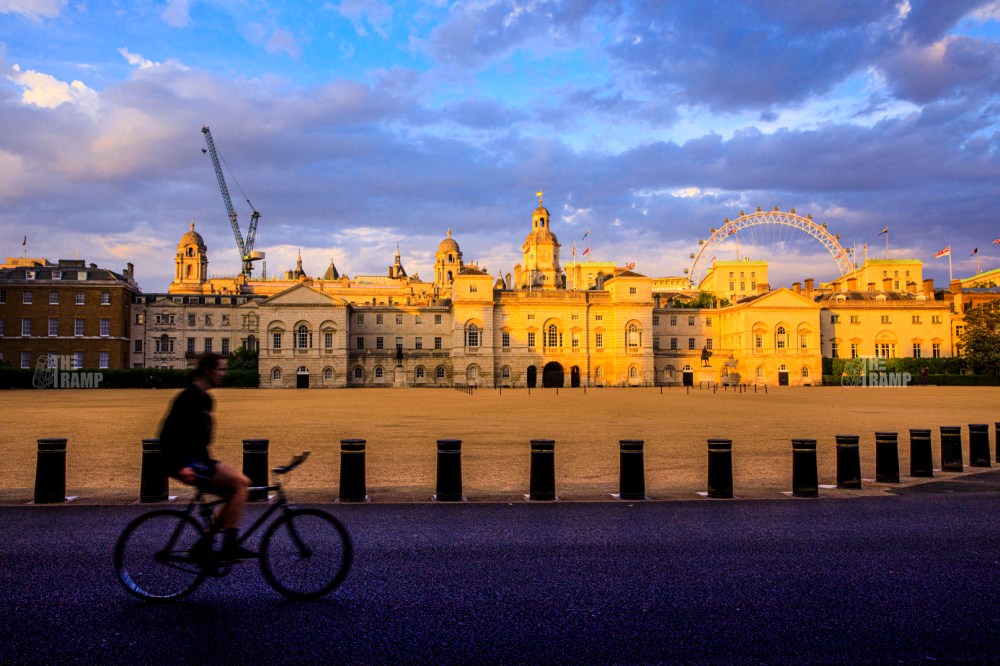
“We could. But today, we stick to the plan—straight through Constitution Hill, crossing Hyde Park Corner.”
Hyde Park: A Breath of Green Amidst the Concrete Jungle
Hyde Park, sprawling over 350 acres, is London’s beating heart. Cherry blossoms swayed, and unseen hands—gardeners whose names we may never know—nurtured this living artwork.
“No promoters here to remove the greenery and build houses, right?” Raai quipped.
“Oh, there are. And corrupt politicians too. But here’s the twist—their greed is strangled by strict laws. You damage the greenery, you pay.”
As we settled on a park bench, absorbing the city’s pulse, Raai observed something quintessentially European—the open platform at Speaker’s Corner, a historic space for protests and debates.
“Where do protests happen now?” she asked.
“These days? Trafalgar Square, Piccadilly Circus. The last major demonstration here was against the Iraq War in 2003.”
“That makes sense. Protests belong in the streets, not the park. Sweat and blood should mix with pavement, not flower beds.”
“Speaking of sweat, last year there was a ‘free hug zone’ right here.”
“And I’m guessing it got… sweaty?”
“More than you’d think.”
We laughed and moved forward.
Marble Arch: Echoes of Rome and Paris
At Hyde Park’s northeastern edge stood the Marble Arch, its pristine white marble glowing in the sun. Raai squinted, assessing its symmetry.
“Looks like the Arch of Constantine in Rome.”
“It was inspired by that. Also resembles the ‘Arc de Triomphe du Carrousel’ in Paris.”
Her grin turned mischievous. “Everything here shakes—the architecture, the monarchy, even the Kohinoor.”
London’s history sways under the weight of its own legacy. And yet, it stands resilient.
Oxford Street: Where London Shops, Laughs, and Lives
Walking down Oxford Street, we dove into a whirlwind of boutiques, buzzing tourists, and window displays begging for attention. Bond Street followed—a notch fancier, lined with grandeur.

Raai sighed happily. “London is a city for everyone—rich, middle-class, poor, artists, rebels, introverts.”
“London for all,” I agreed.
At Greggs, I devoured a freshly baked chicken bake, cheese smearing my face with pure joy.
“Guide duties—carry the shopping bags,” Raai declared, handing me our purchases.
I obeyed, somewhat begrudgingly.
Royal Academy of Arts: Where Imagination Breathes
Between Bond Street and Piccadilly Circus, the Royal Academy of Arts stood like a temple for creatives.
“Where art is made, exhibited, debated,” I read aloud.
“Where artists dream,” Raai added.
We bypassed Piccadilly Circus and Trafalgar Square—those would wait for another day. Instead, we slipped into London’s hidden charm: narrow alleys, shortcuts woven between grand streets, much like Kolkata.
“If you know the alleys, London unveils secrets,” Raai remarked.
We strode through St. James’s Square, reaching Horse Guards Parade, where the past still marches in present footsteps.
The Household of Cavalry Museum & 10 Downing Street: Where Power Whispers
Horse Guards stands as a sentinel between Whitehall and Horse Guards Parade, its history tracing back to the British Empire’s military nerve center.

Rather than cutting through, we chose Parliament Street, the spine of British governance. Historic facades flanked our path, culminating at 10 Downing Street—the Prime Minister’s headquarters.

When we visited, Mr. Rishi Sunak was the Prime Minister. He is originated from India.
“Shall he invite ourselves in for tea?” I joked.
“Sure—tell the guard that two weary travelers need refreshment.”
London welcomed us not just as tourists, but as characters in its unfolding narrative. Every step whispered of centuries past, every landmark breathed with poetry. This city doesn’t just belong to history—it belongs to those who dare to wander.
Churchill’s War Room: Where History Slept (Literally)
Our next stop? Churchill’s War Room, the very bunker where Winston Churchill and his cabinet plotted strategies, fought battles with cigars in hand, and probably argued over tea strength.
Raai: “During World War II, this hidden headquarters served as Britain’s nerve center, connecting the Houses of Parliament to 10 Downing Street. Essentially, it was the underground lair where Churchill delivered those spine-chilling wartime speeches—while, apparently, sleeping with his head practically resting on the tunnel itself.”
“Does that mean Churchill was giving speeches in his sleep?” I asked.
“Very likely,” Raai deadpanned. “Also likely that half of those speeches were just frustrated mumblings about Germany bombing London again.”
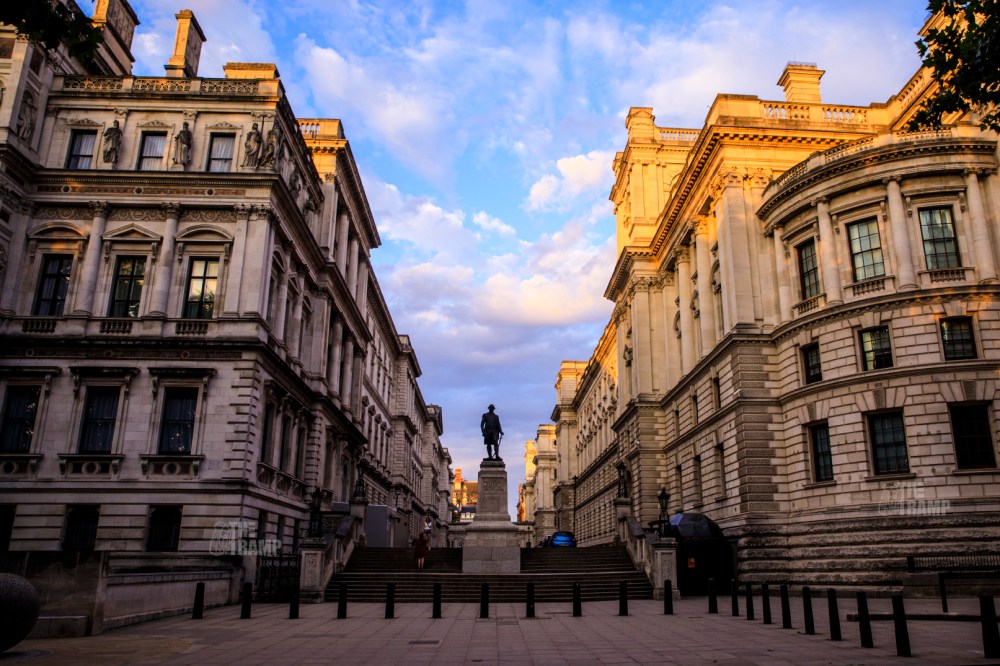
The war room housed the trans-planetary telephone room, Churchill’s direct line to US President Roosevelt, secret Allied meetings, and an intimidating wall-sized battle map that made generals look profoundly busy while nervously sipping tea.
Standing in front of this historic site, I felt a wave of goosebumps. I had passed this building numerous times, but never had such a deep dive into its war-torn past. Raai, on the other hand, was completely in her element—the books she’d read, the war movies she’d watched, all unfolding before her eyes in real-time.
I had no clue how long we stood there before finally pulling ourselves away. Our next stop: the House of Parliament.
House of Parliament: Politics, Power, and a Giant Clock Watching Over It All
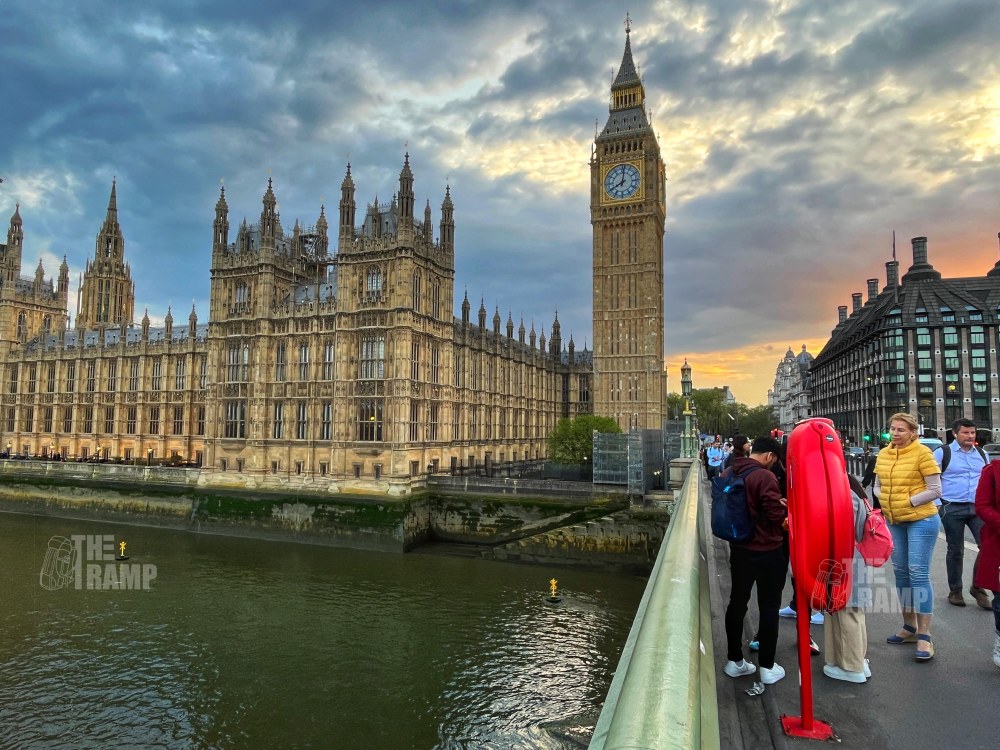
As Parliament Street ended, we stepped into Parliament Square, before arriving at the legendary British House of Parliament.

To the north stood Elizabeth Tower—yes, Big Ben’s actual name (Big Ben is just the bell, but try telling that to tourists). To the south, Victoria Tower, because why have one fancy tower when you can have two?
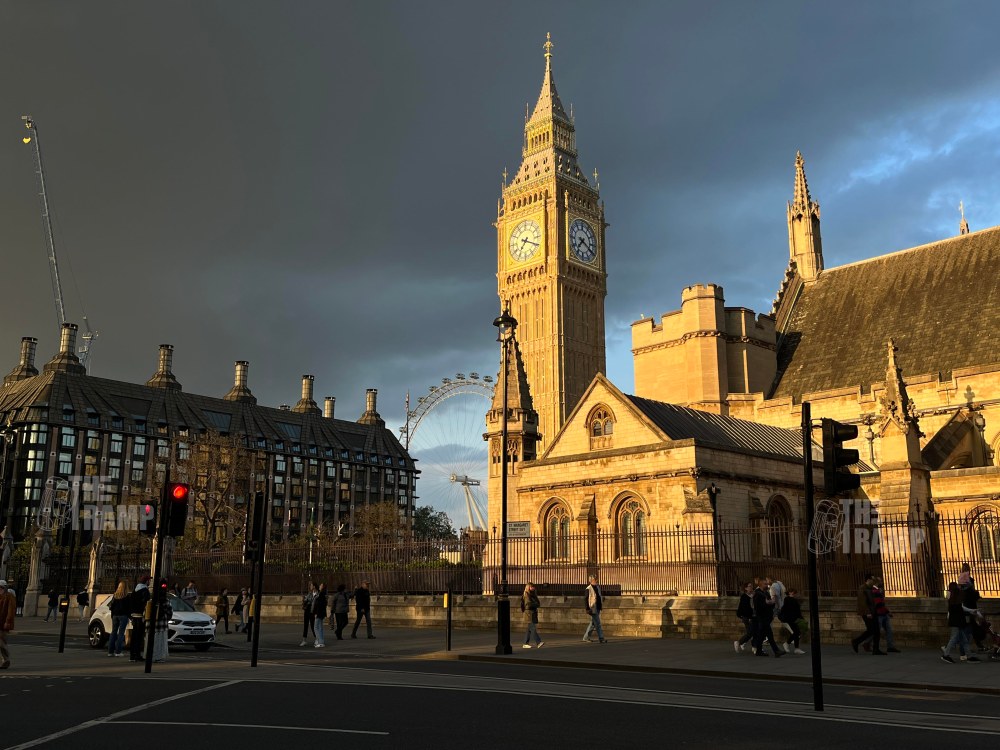
“So this is where British democracy happens,” Raai said, surveying the scene.
“Well, ‘happens’ might be a strong word,” I quipped.
Then, as if on cue, Big Ben chimed—probably reminding us that despite centuries of politics, it’s the clock that runs London.
Westminster was our final stop, where history, royalty, and Anglican traditions collided.
Westminster Abbey: Where Kings Get Crowned, Buried, and Married
Welcome to Westminster Abbey, the wedding venue of royals, resting place of monarchs, and official coronation stage since 1066.
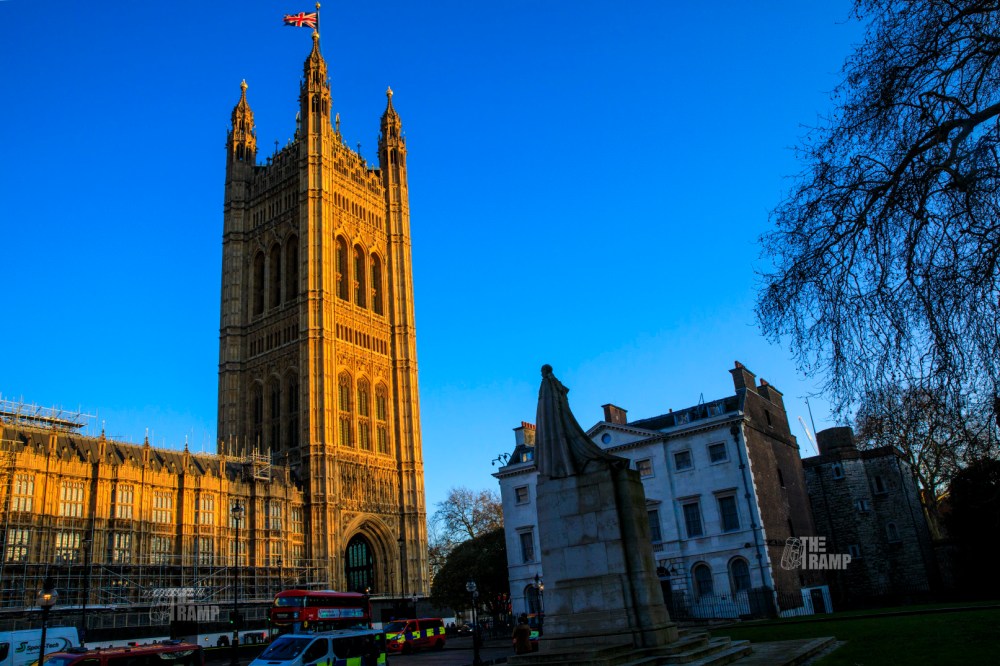
“Looks like Gothic architecture,” Raai observed, eyeing its towering spires.
“Correct. Inspired by 13th-century French and English styles—though some parts scream Romanesque, Baroque, and even a touch of modernity.”
“Definitely a UNESCO World Heritage Site,” Raai declared.
“Oh, absolutely. The Abbey, Westminster Palace, and St. Margaret’s Church are all on that golden list.”
We ambled around, soaking in its grandeur, before collapsing onto a bench in the park behind it. Exhausted, but very much entertained by the history wrapped around us.
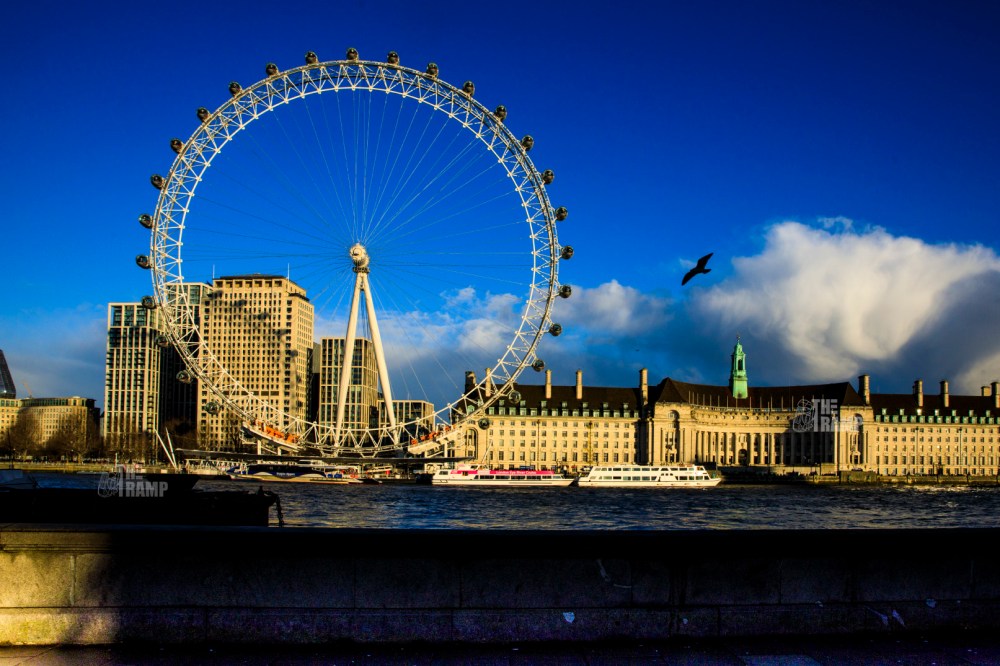
Big Ben: The Ultimate London Selfie Spot
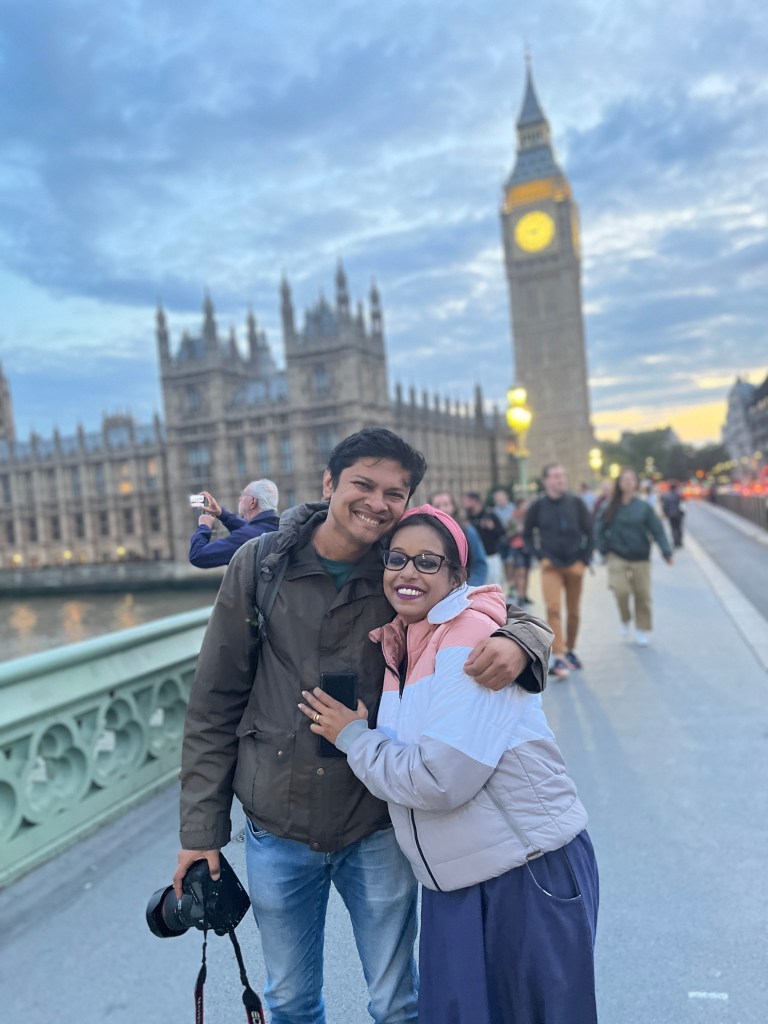
The final stop was, of course, Big Ben—or rather, Elizabeth Tower, since we’re sticking to historical correctness today.
After capturing the quintessential tourist shot, I wandered onto Westminster Bridge, soaking in the Thames breeze—the perfect spot to reflect on London’s beauty.
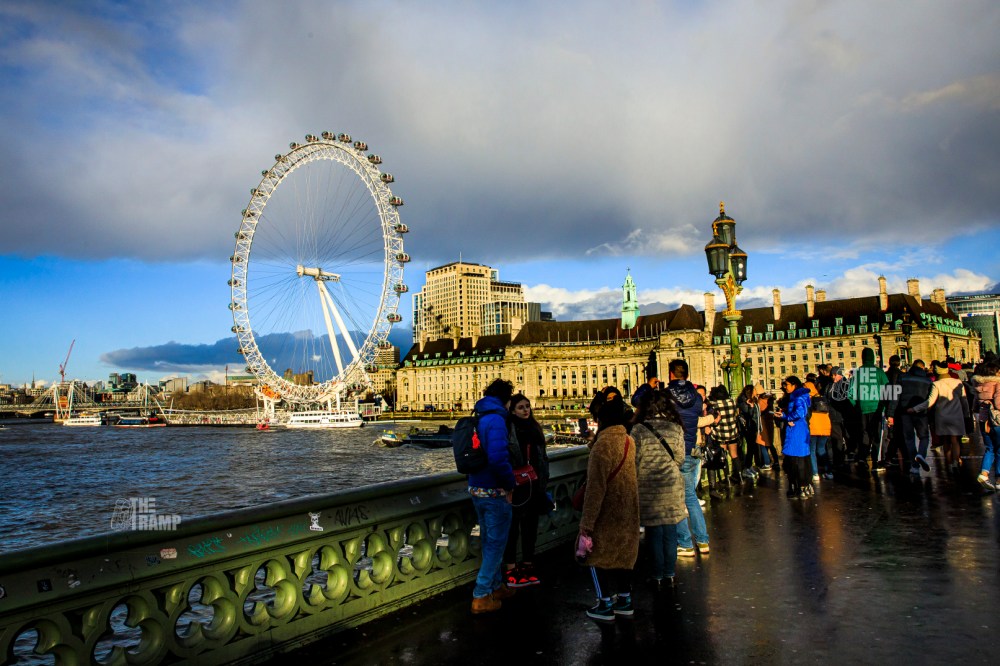
A melting pot of languages, cultures, colors, and backgrounds, all wrapped within a city that never stops moving.
“Didn’t we say—London is for everyone?” Raai smiled.
“And London makes sure we never forget it.”
Tourist rule #1: No trip is complete without a selfie with the most famous clock in Britain.
Map for the route:
Tramp’s Tips:
- All the spots are well connected by Tube Rail and Bus. So it is not mandatory to visit them by feet. Obviously, walking tours are more enjoyable.
- The entire route is more than 7 kilometers. Please be prepared. Map is given after this section. Cycle would be a good option.
- There are plenty of restaurants, pubs and cafes in Oxford Street, Bond Street and diagonally opposite to the Parliament Square. But most of them are expensive. If you are looking for budget-friendly options, you will find a few in Oxford Street. Alternatively, visit supermarkets like Tesco and Sainsbury’s for packed sandwiches.
- Please carry water bottle.
- Beware of pickpocket at Oxford Street.
 The Tramp