
Landing at Vilnius airport, I was instantly struck by the city’s pulsating vibrancy. Though the country itself is only 25 years old, it brims with an invigorating blend of youthful zest. It also has seasoned experience. It is much like an old friend who warmly extends his hand to a stranger. Such was the case with Boris, the bus driver, who grasped my hand with a friendly smile. When I confessed my lack of small change, he kindly offered to take me from the airport to the charming old city of Vilnius free of charge. “Drug, you are a guest in our country. I will take you there,” he declared. In Russian, the word for friend is “drug.”

Such heartwarming hospitality was a constant throughout my travels in Lithuania. My journey led me to this land on the eastern shore of the Baltic Sea in Northern Europe. Much like its Baltic neighbors, Estonia and Latvia, Lithuania’s past is marked by conquest. First, it was conquered by the Polish. Then, Tsarist Russia took control.

Though it enjoyed a brief period of independence from 1918 to 1940, it was later ravaged by the Nazis for five harrowing years. The remnants of that dark era linger in concentration camps, now part of Holocaust tourism. In 1945, Lithuania was freed from German rule, only to be subsumed by the Soviet Union until it finally gained independence after the Soviet Union’s collapse.
Vilnius Old Town:
I reached the old city. After checking into my hotel, I soon found myself wandering the streets of Vilnius’s enchanting Old Town.

Lined with colorful houses on either side, the narrow cobblestone streets echoed the history embedded in each stone. Every day, walking tours are organised by ‘Like a Local’. The tours are free but please do not forget to give tips. The tours start from Cathedral Square.
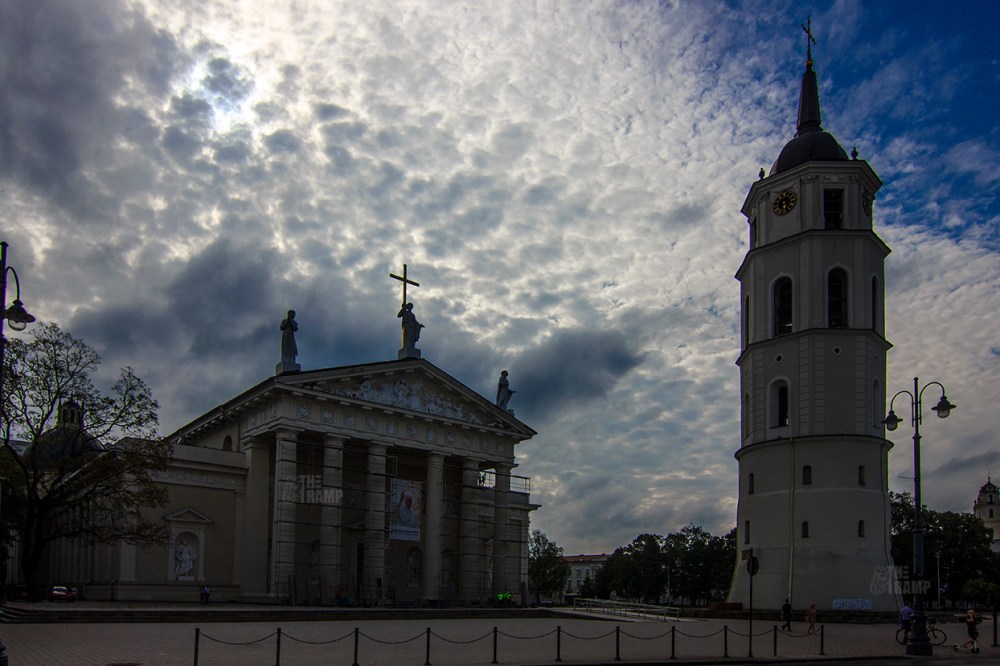
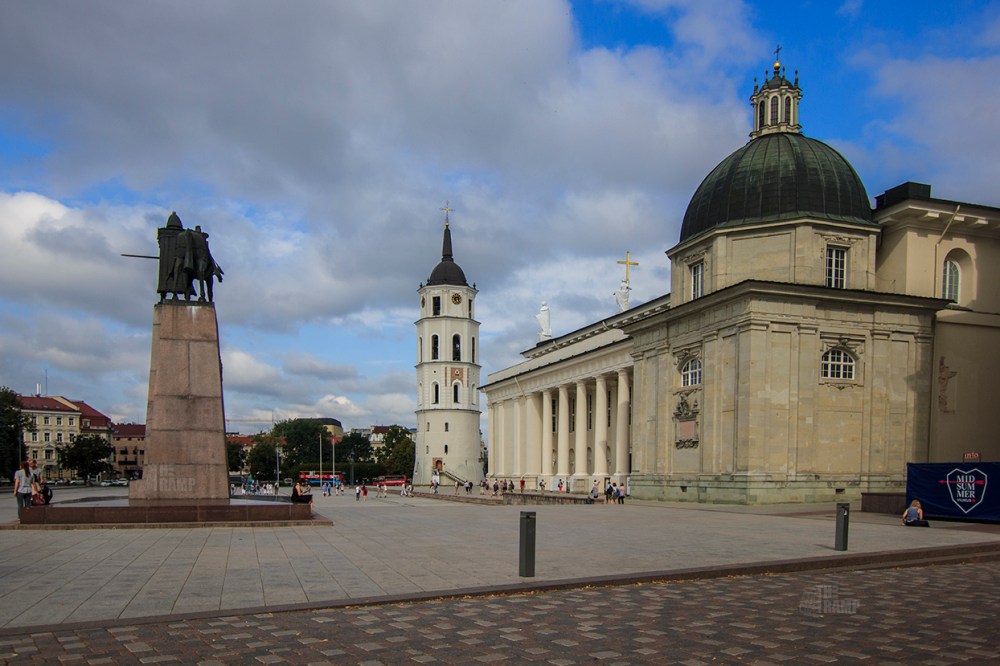
I joined a complimentary guided tour led by Raminta, who regaled us with tales of the city’s storied past.
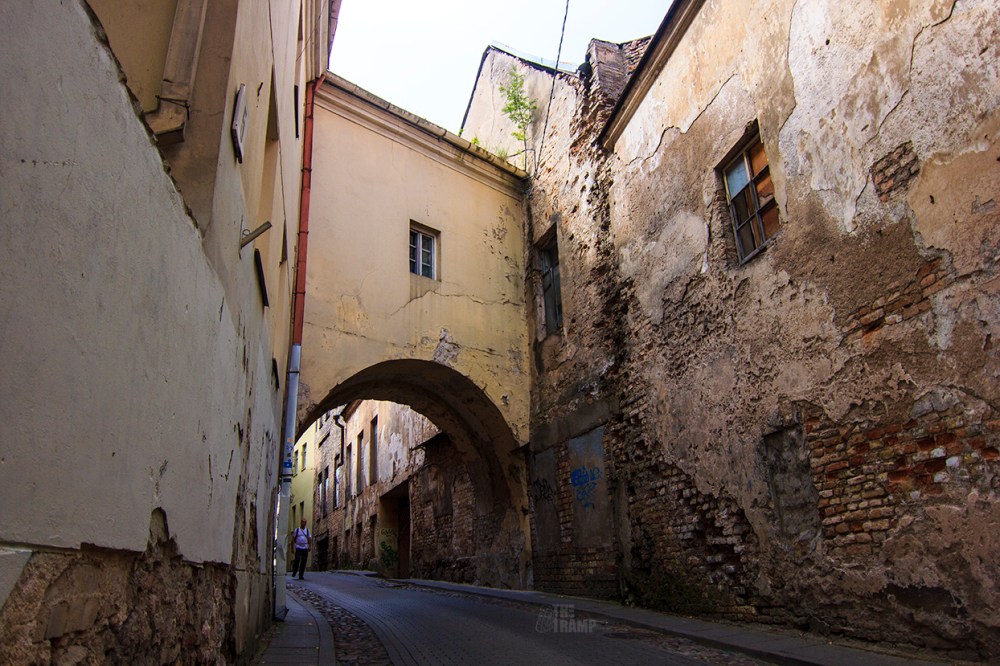
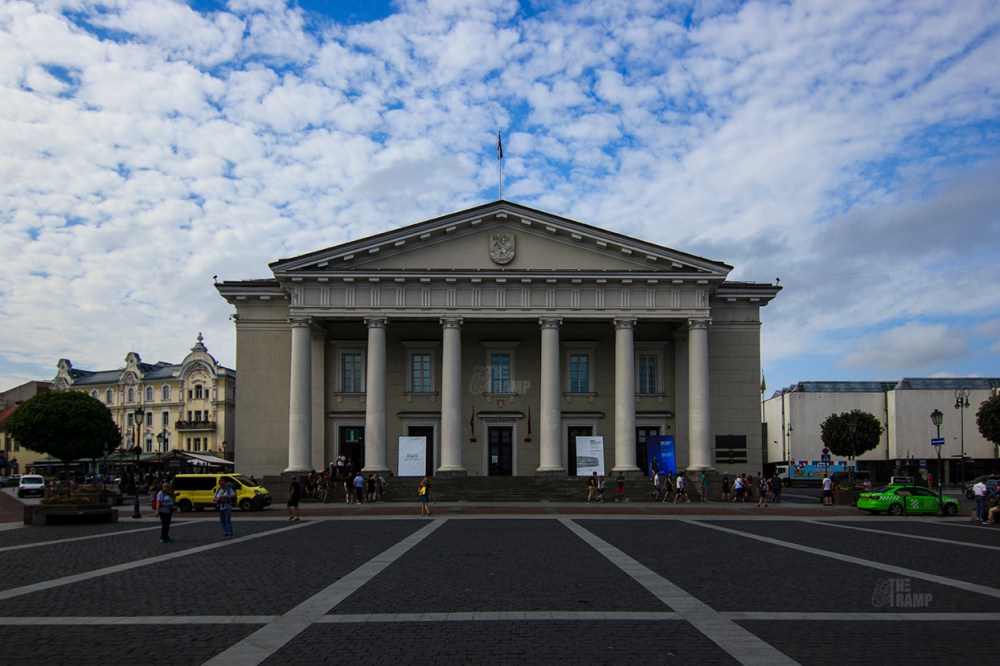
With the tour concluded, I set off on my own, crossing paths with the Vilna River, from which Vilnius derives its name. Pilis Street is the main artery of the Old Town. It brims with life and leads to a myriad of churches, including St. Anne and St. Francis of Assisi (Bernardine). Stretching from Cathedral Square to Town Hall Square, the Vilnius Town Hall stands in classical grandeur, built in 1799.


Nearby, Gediminas Avenue threads partly through the Old Town. Castle Hill rises from the medieval heart of the city, crowned by the Gediminas Tower—a historical museum. At the hill’s base lies Cathedral Square, home to Vilnius Cathedral and the Palace of the Grand Dukes of Lithuania.


Beyond, a high hill bearing three crosses beckons. Known as the Three Crosses Mountain, it offers breathtaking vistas of the city—a must-visit for any traveler.


Holocaust Museum:
Stepping into the Holocaust Museum, I confronted a somber chapter of history. The chilling accounts of persecution faced by Jews in Eastern and Northeastern Europe are palpable in the air. Homosexuals and the disabled also experienced relentless persecution. Striped pajamas and masks are haunting reminders of inhumane acts, as victims were murdered and incinerated. This brutal history is one best approached with mental fortitude, as I found myself incapable of eating lunch after my visit.
Republic of Užupi:
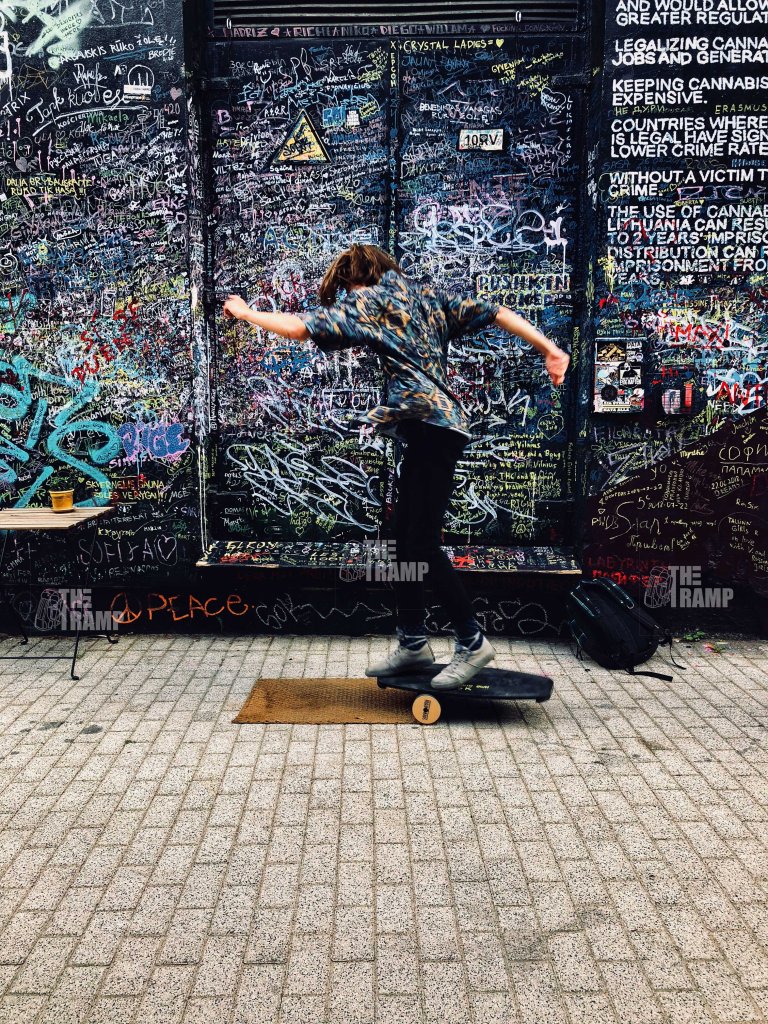
Descending from the hill, I crossed the Vilna River into Užupi. Though part of Vilnius Old Town, Užupi holds the distinction of being the world’s smallest republic. In April 1997, twelve artists transformed a ghetto on the river’s west bank into the Užupis Respublika. Previously home to a Jewish community, the area fell into marginalization after Nazi occupation and became a den of brothels during the Soviet era.

These artists proclaimed the area the Užupis Republic, complete with its own flag, anthem, president, and a modest army.

Their democratic constitution, one of the world’s smallest, is proudly displayed in 39 languages, including three Indian tongues—Sanskrit, Hindi, and Pali. Amidst Užupi’s bohemian charm, the constitution’s principles resonate deeply: Everyone has the right to be happy. Everyone has the right to be unhappy. Peering into its golden plates, I saw my own reflection, a testament to the democratic ideals enshrined within.
Beetroot Soup:
As hunger called, I sought refuge in a quaint Old Town restaurant. The menu revealed Lithuania’s national dish—beetroot soup. A harmonious blend of beetroot, yogurt, buttermilk, eggs, cucumbers, chives, and dill, it was served chilled to perfection. As I savored this delightful meal, the heavens opened, and rain poured down in torrents.

Nightlife:
The evening saw me immersed in Vilnius’s vibrant nightlife. Alongside fellow hostel guests, we ventured to Salento Night Club, eager to experience the pulse of the former Soviet capital’s after-hours scene. After a night of lively conversation, beer, and mouth-watering food, we eventually returned to our hotel, content and weary.
Trakai Castle:
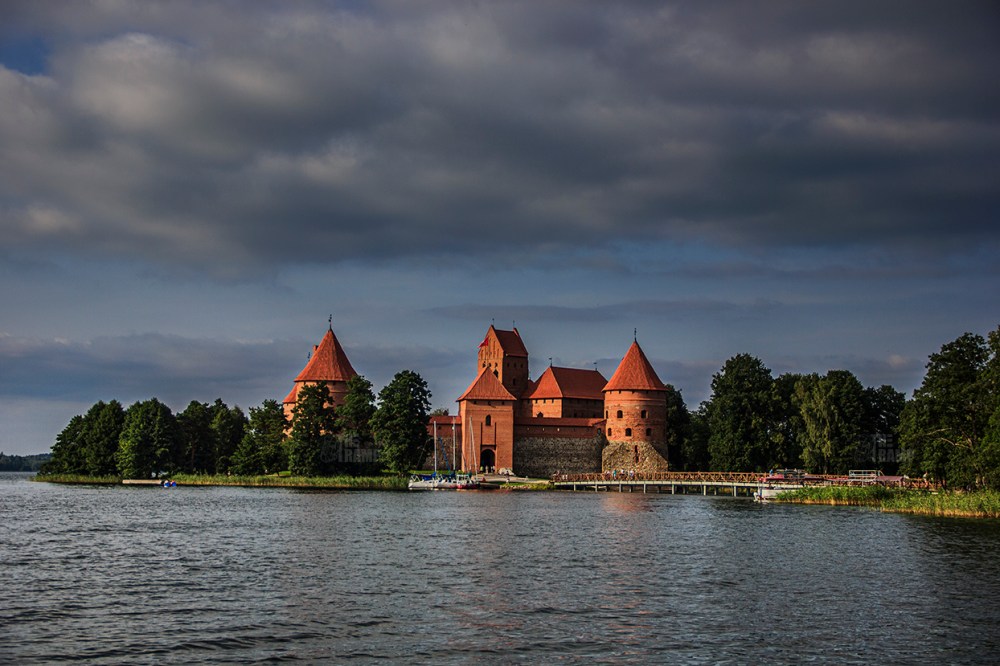
The next morning, I set my sights on Trakai Castle. A public bus from Vilnius brought us to Trakai within an hour and a half. From there, we strolled to Lake Galva and took a boat to the island fortress. It felt like stepping into the pages of Tintin’s ‘The Black Island.’ Built in the 14th century, Trakai Castle was once the heart of the Grand Duchy of Lithuania, its history steeped in every stone.
Hill of Crosses:
Though inclement weather thwarted my initial plans to visit the Hills of Crosses, I persevered the next day. I traveled by bus to Šiauliai, then continued to Domantai before undertaking a two-kilometer walk. As the name suggests, the hills are adorned with countless crucifixes—estimates suggest over 150,000. Despite numerous reconstructions, the site stands as a testament to Lithuanian faith, resilience, and peaceful resistance. Declared a place of hope, peace, love, and sacrifice by Pope John Paul II, the Hill of Crosses whispers stories of unwavering belief and determination.

For more information of Hill of Crosses, please visit my post: My DIY trip to the Hill of Crosses

Tramp’s Tips:
- Lithuania is a Schengen Country. Thus, Entry to this country is easily possible with a valid visa or Residential/ Work Permit issued by any Schengen Country.
- Vilnius well connected by ferry from Helsinki, Stockholm, Riga and Copenhagen. Alternatively, Lithuania can be reached by air from any big airport of Europe.
- It is highly advised to pre-book the accommodation if you want to stay inside the Old Town during Spring or Summer. This city is very touristy. You might not get the most desirable room if you book on-spot.
- Euro (€) is the currency. Payment by card is well accepted.
- Please attend the Free Walking Tour organised daily. The English-speaking guided tour starts on 12 PM, 3 PM from the Town Hall Square. Please remember, giving tips is a good gesture.
- Do have a Vilnius Card for free access and hassle-free travel. For an adult, the Tallinn Card costs €45, €65 or €78 for a 24, 48 or 72-hour pass, respectively. For children, costs are €27, €34 or €41 for the same time periods. The card includes free public transport, free entry to museum, towers and many more.
- Please Respect the local culture, do not carry plastic.
 The Tramp