
Tallinn, with its enchanting Old Town, blends medieval charm and modern flair. Cobblestone streets, centuries-old architecture, and vibrant cultural spots make every corner captivating. Strolling through its alleys, one feels history come alive, while the warm hospitality of its people adds to the city’s magical allure.
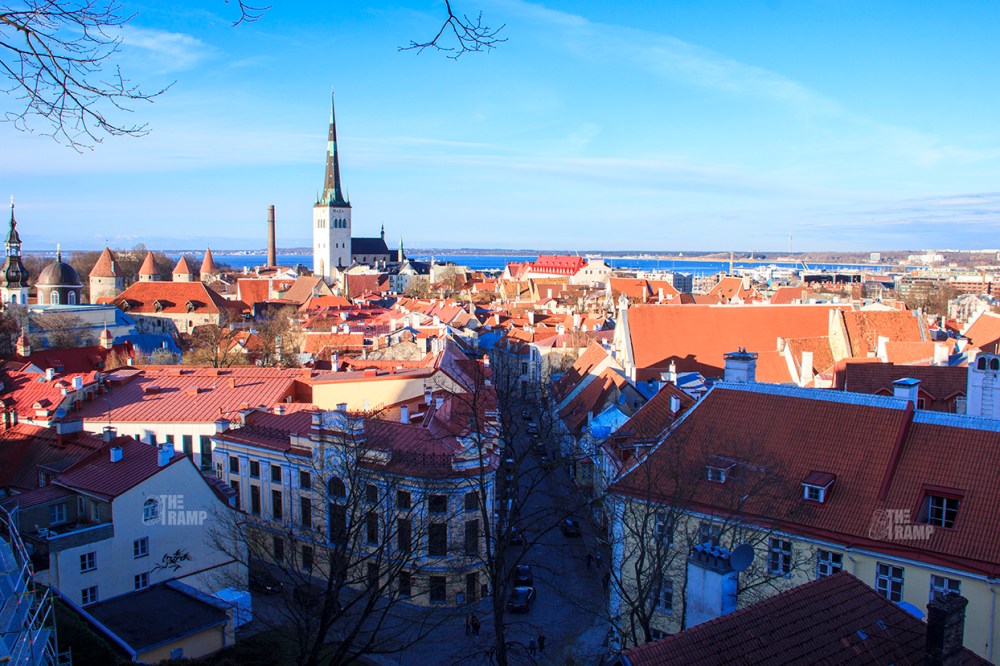
Located in the eastern shore of Baltic Sea, Tallinn is the capital of Estonia.
Estonia, famously dubbed the “Silicon Valley of Europe,” boasts an impressive reputation for its technological advancements and high literacy rates. Fondly referred to as e-Stonia, it is a tech-savvy haven attracting digital nomads and innovators alike. But beyond its digital prowess, Estonia is a gem waiting to be discovered by travellers. Step into the medieval charm of its old towns, wander through the verdant paddy fields, or marvel at the enchanting waterfalls and lush greenery that pepper the landscape. The vibrant nightlife adds an exciting twist to the tranquil beauty, making it a perfect blend for any traveller. The progressive government has even declared internet access a basic human right, further cementing its status as a modern marvel. This visionary move has led to a surge in young people choosing Estonia for staycations and workations, blending work and leisure seamlessly.
In essence, Estonia is a hidden treasure of Europe—a complete package offering an unparalleled mix of history, natural beauty, and modern innovation.
Legendary Russian filmmaker Andrei Tarkovsky shot his sci-fi film “Stalker” in and around Tallinn, Estonia’s capital. With a history of invasion and occupation, Tallinn’s fractured identity is mirrored in its architecture: a unique blend of medieval and contemporary buildings, juxtaposed with the harsh housing blocks from its Danish, German, and Soviet past. This eclectic mix tells the tale of a resilient city.
I visited Tallinn during Spring. I preferred cruise journey from Stockholm. The cruise started from the source in the afternoon and reached Tallinn in the next morning. After completing a nominal immigration formality, I came out of the port. There was a rickshaw stand – a human pulled tri-rickshaw, very common in the Indian subcontinent. But I did not expect the same in Europe. I was about to hire a rickshaw but stopped as I heard a shout “Amlan… Amlan… wait…”. I got surprised, because it was beyond my imagination that somebody would me in Estonia. I turned back and found Vladimir, the young Estonian boy whom I met last night on the deck of the cruise. We both were enjoying beer and talking about Estonia.
“Do not hire a rickshaw. Your hostel is just a ten-minute walk” said by Vladimir, “Come along, I can guide you.”
“Thank you, Vladimir, is it on the same way to your home?” I replied. I knew, he was coming back home after 3 months to meet his beloved spouse and little kid.
“Doesn’t matter, you are our guest. I should help.”
This gesture left a profound impression on me. Throughout my journey, I discovered that this mentality is shared by all Estonians. Their eagerness to showcase their hospitality and culture to the world is palpable. There’s a reason behind this: they seek to emerge from a tragic past and present their rich cultural heritage to the global stage.
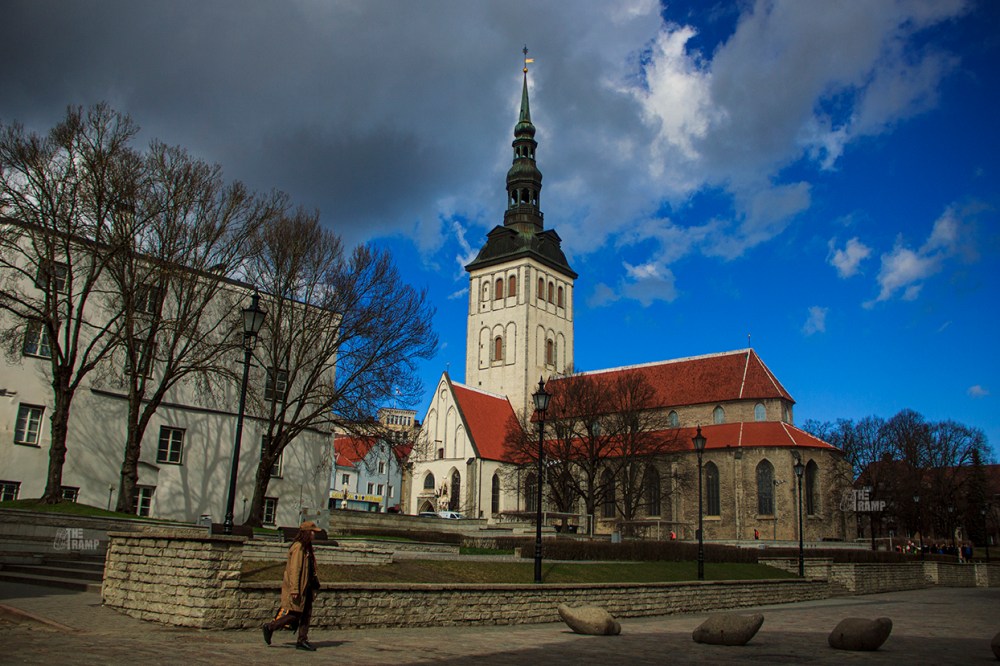
Estonia’s history traces back to 10,000 BC with early human settlements. By the late Bronze Age, the region bordered southern Finland. Fortification on Saaremaa Island began in the 7th century BC. Roman historian Tacitus noted the Baltic tribes, giving rise to the name “Estonia.” In medieval times, Pope Celestine III spearheaded a crusade, Christianizing the area. As a key port, Estonia bridged West and East Europe. Danish King Waldemar II conquered it in 1209, leading to years of conflict and foreign rule. From 1710, Russian imperialism prevailed until 1920, but WWII saw savage by Nazi Army followed by Soviet occupation. Estonia regained independence after soviet collapse and few years later, declared as sovereign state.
My hostel was inside the Old Town of Tallinn known as Vanalinn. I reached there, checked-in, got freshened up quickly and went to the Town Hall Square to attend the free guided tour. Like the other old towns of Europe, there are Free Guided Tour organised by locals is a must do for all the travellers. The heritage walks of one and half hour helps to have a glance through the old settlement, and know the history.
Staying in Tallinn’s enchanting Vanalinn, I quickly checked in, freshened up and had a sumptuous brunch before heading to Town Hall Square for a Free Guided Tour. These tours, offered in many European old towns, are a traveller’s must-do. The 90-minute heritage walk revealed the rich history and charm of the old settlement, making for an insightful and delightful experience.

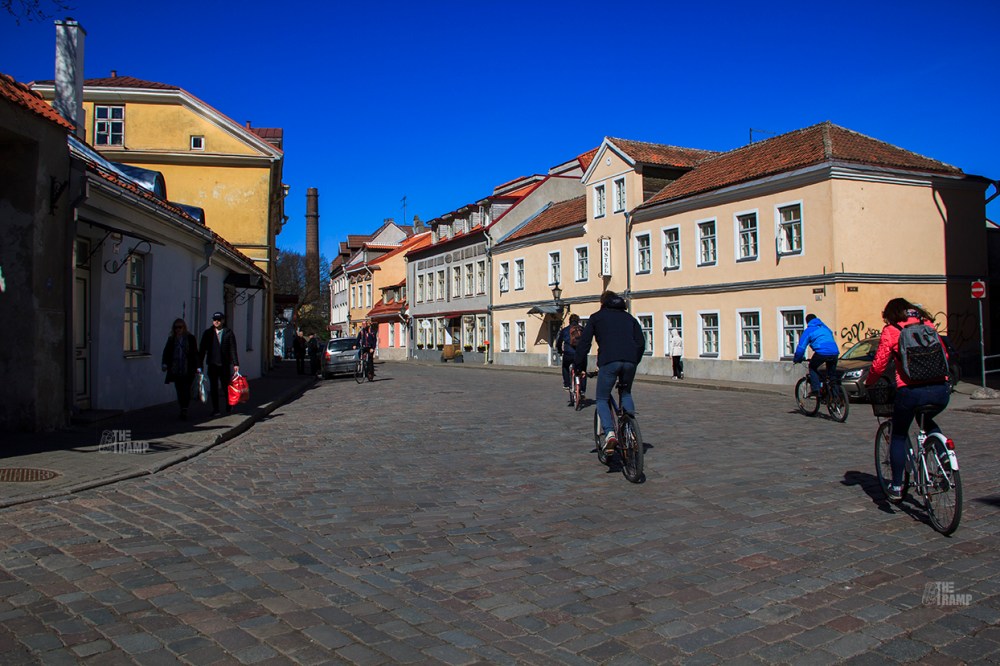
Obviously, I chose the tour with English speaking guide starting from 12 PM. Darja, the guide, was an Estonian college student and a great orator. She took us to all the cobblestone streets and described it. The ancient town is adorned with enchanting architecture and stunning sculptures at every turn. The experience of exploring these historic paths was truly mesmerizing. After this walk, I managed to get a free map and started strolling on the lanes of this colourful town.
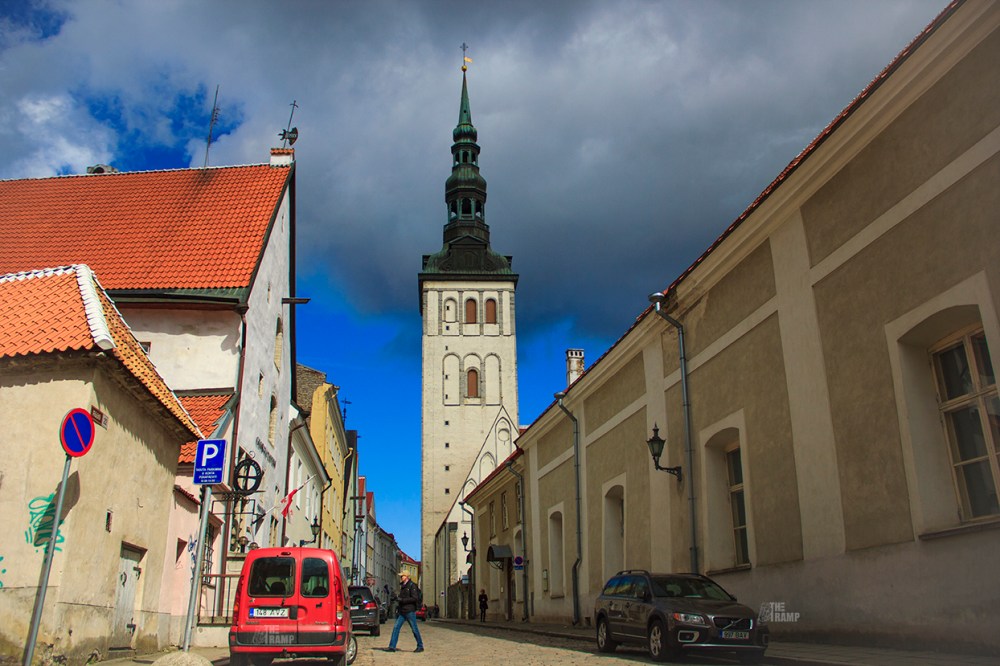
The enchanting town of Vanalinn was established by wealthy Hanseatic merchants in the 13th century, drawing settlers from across Europe. Their initial construction was a castle on the port, and soon, crusading knights began developing public buildings like merchant houses, churches, and graveyards. Over time, Tallinn became a significant hub for the League. The well-preserved symbols of those glorious medieval and Hanseatic days earned Tallinn Old Town a UNESCO World Heritage Site designation in 1997.

Seeing the remnants of the Granite Bastion Wall for the first time gave me a strong sense of déjà vu. It instantly reminded me of the film “Stalker,” where this very wall was featured as ‘Stalker’s way,’ adding a surreal connection to the experience.

The town is encircled by five gates, reminiscent of the port towns from the Tintin stories, though those were set in the Middle East. Each of the five gates is worth seeing, and there are six beautiful churches within the town. Just outside the southeastern gate lies Freedom Square, where you’ll often find a proud Estonian sharing stories of their liberation from Russian rule.
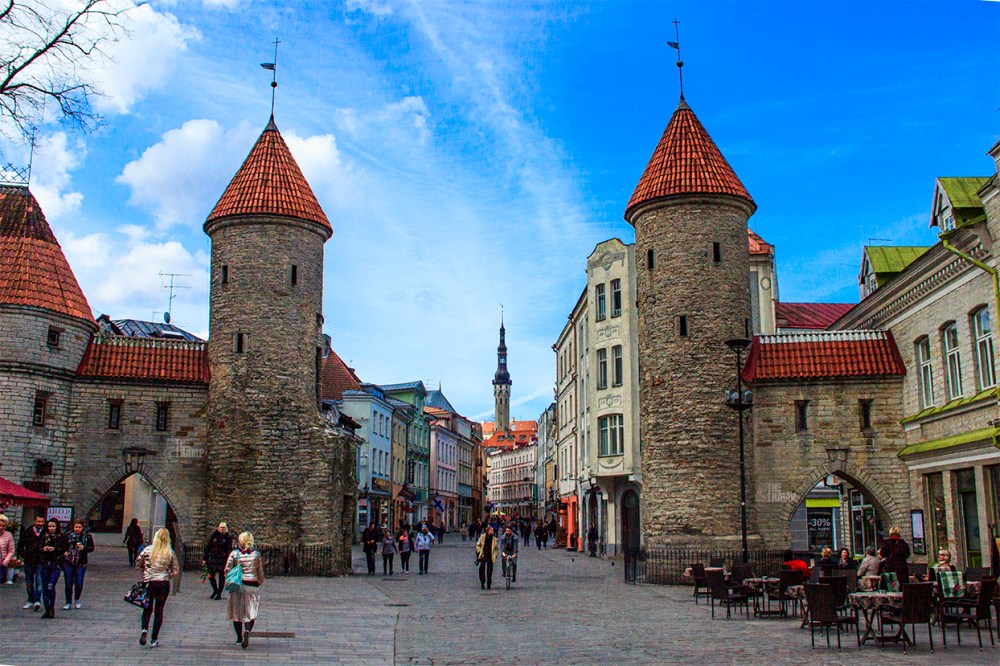
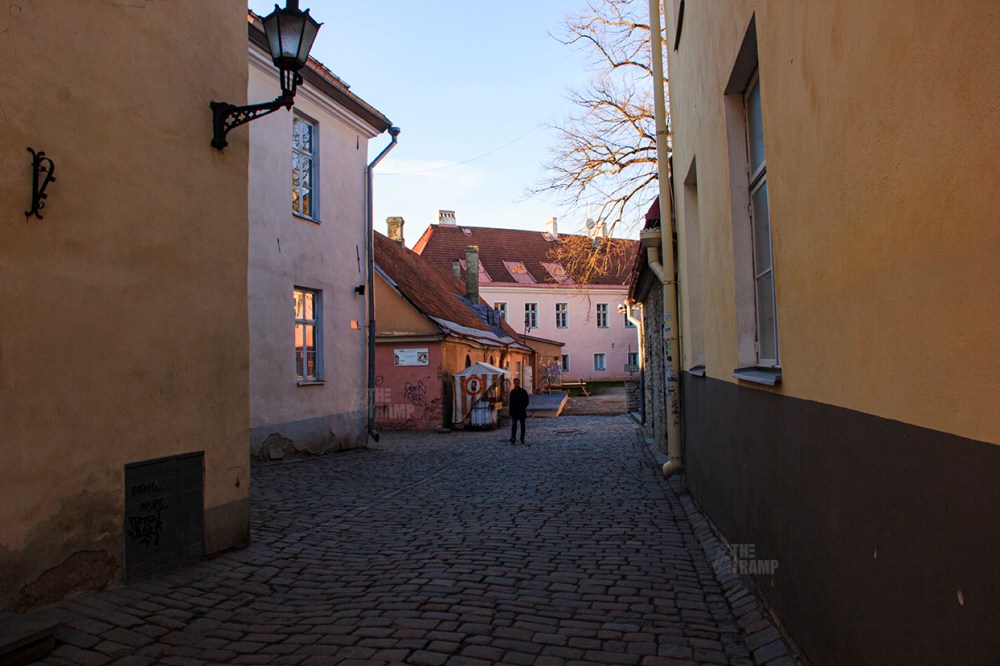
While wandering along Vene Street, I stumbled upon Catherine’s Alley. This fascinating passage, once known as Monk’s Alley, links Vene and Müürivahe streets, passing the Dominican monastery and centuries-old buildings. The church that lent its name to the alley is over 700 years old, adding historical charm to the quaint, cobblestone path.

After capturing some top shots of the Old Town, I wandered through the cobblestone streets.
I hiked up Toompea Hill, the old town’s highest point, offers the best Instagrammable views. Entirely Wi-Fi-enabled, Estonia’s tech-savvy charm shines through, with the added trivia that Skype was invented by three brilliant Estonians.
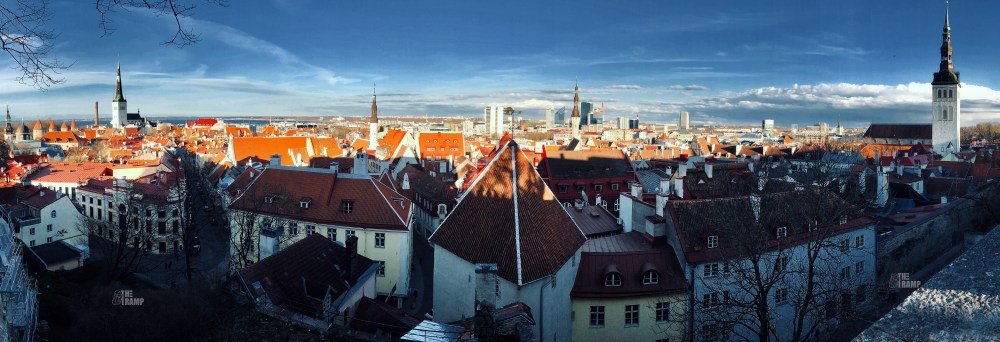
Lost in the serene beauty of Toompea Hill, time slipped away until hunger called. As dusk approached, I descended and chose an Estonian restaurant within the Old Town for dinner. I indulged in Rye Bread, Mulgipuder—a delicious blend of mashed potatoes, groats, butter, and bacon sauce—and Saku, a popular Estonian beer.
After dinner, I returned to my hostel but the night was far from over. I decided to join a “Pub Crawling” event organized by the nearby hostel “Monk’s Bunk,” just a five-minute walk from the old town. The experience was nothing short of amazing, adding an unforgettable chapter to my Estonian adventure.
The Pub-Crawling session was unforgettable but ended with me losing my wallet. Fortunately, it wasn’t stolen; a security guard, concerned about my money’s safety, had tucked everything into a secret pocket in my jacket. A relief!
Next morning I started to visit Jagla Waterfalls – a lovely waterfall located at a distance of 30 kilometers from Tallinn and can be reached by bus followed by walk. The route was easy but as it was Sunday, local transport was a bit irregular. As I mentioned earlier that Estonians are very helpful, everywhere I got their guidance and finally reached there.
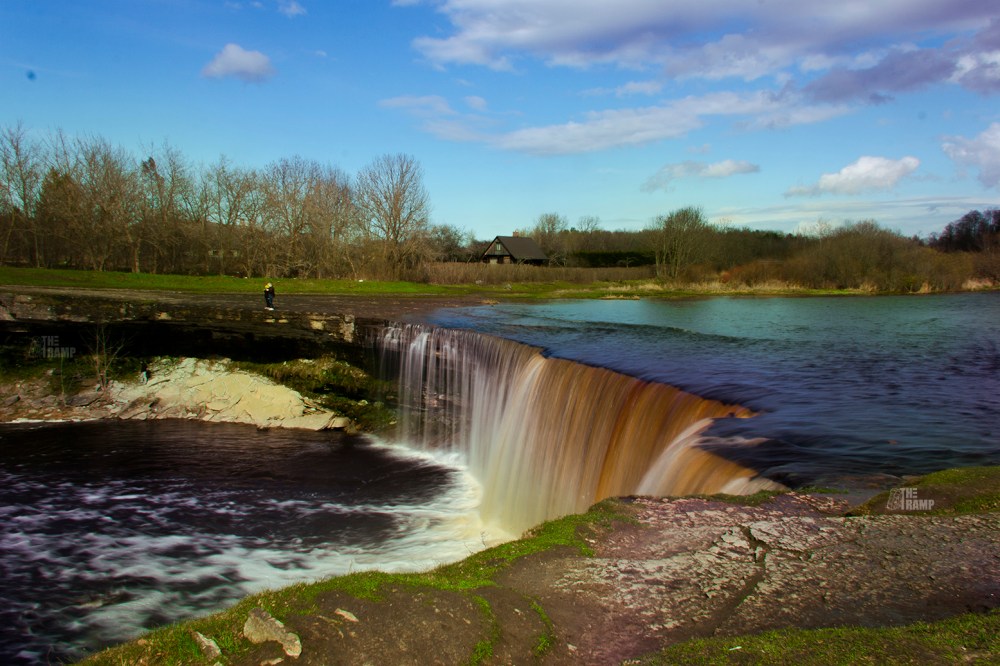
Jägala Joa is a scenic village in Jõelähtme Parish. Located in Harju Country of Northern Estonia this place is on the right bank of the river Jägala. It was raining a bit. After a kilometre of walk I reached in front of Jägala Waterfalls. While walking along the village and saw the river Jägala, I could not fathom that such a beautiful and wide waterfall can be formed from such an innocent stream.
The falls can be observed from the adjacent vista but I went down to the foothill. My plan was to go beneath the falls but my shoes did not permit.
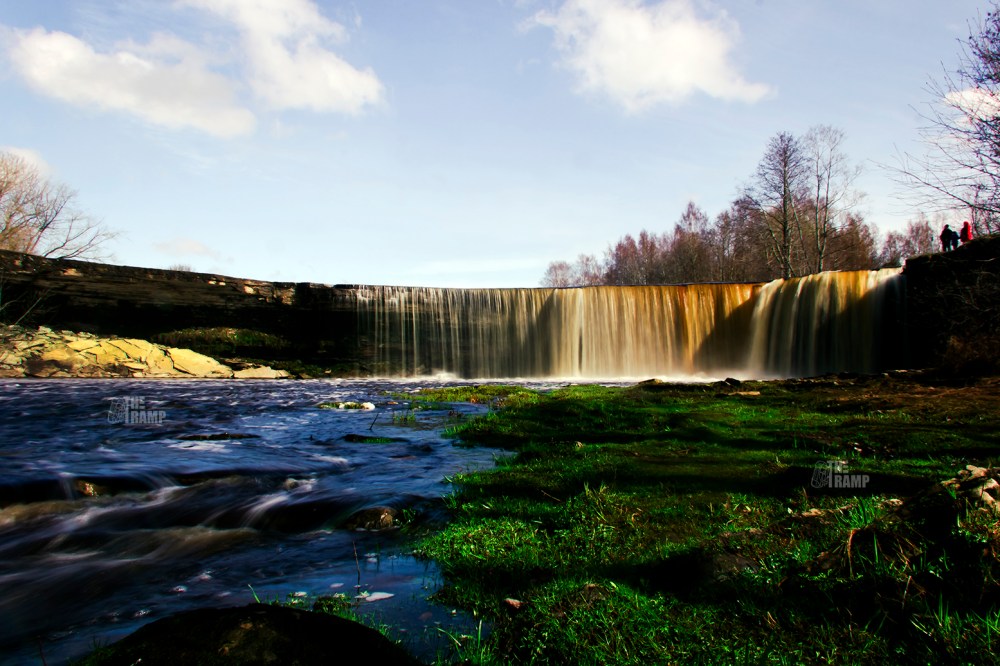
The river Jägala and its surrounding village are prominently featured in the film “Stalker.” One memorable moment in the film has Stalker calling it “The quietest place in the world,” while the Professor dryly remarks, “Smells like a bog.” The tranquil, yet eerie banks of the Jägala river provided the perfect backdrop for many scenes, adding a mystical quality to the narrative. This location’s unique atmosphere has since become a point of interest for film enthusiasts and travellers alike, seeking to immerse themselves in the same haunting beauty captured by Tarkovsky’s lens.
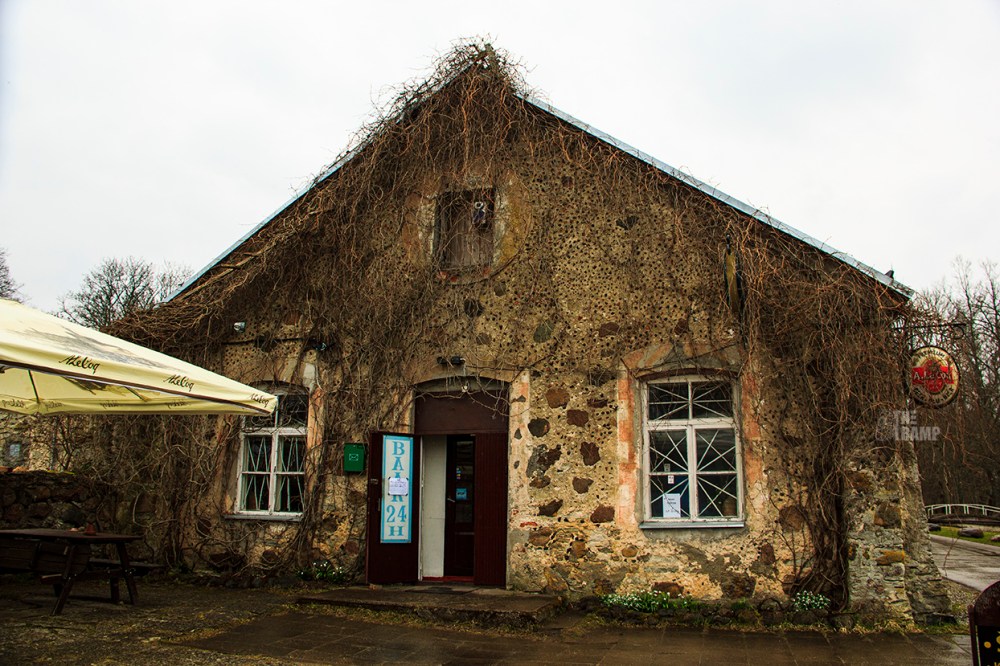
I stayed there for some hours before venturing to Keila Joa, another enchanting waterfall nestled within a lush forest. The sight of the cascading water amidst vibrant greenery was a feast for the eyes. Walking through the forest was a refreshing escape from urban life, the clean air rejuvenating my lungs. The splash of water droplets on my face, the thunderous roar of the falls, and the verdant surroundings felt like stepping into a fairy tale.

Returning in the afternoon, the rain kept me from exploring the Old Town. Instead, I spent the evening with fellow travellers at the hostel. Everyone was thoroughly impressed by Estonia—not just for its rich culture and stunning landscapes, but for the warmth and friendliness of its people. Despite the rain, it was a day filled with memorable experiences and new friendships.
The next morning, I ventured out once more, wandering through the winding lanes of the Old Town.
In the afternoon, I boarded a cruise bound for Stockholm, my current home. As the ship set sail, I gazed at the stunning landscape and softly sang Harry Belafonte’s “Jamaica Farewell”: “I am sad to say/ I am on my way/ won’t be back for many a day/ my heart is down/ my head is turning around…” My heart ached to leave, but the memories I made in this enchanting country will stay with me forever.
Tramp’s Tips:
- Estonia is a Schengen Country. Thus, Entry to this country is easily possible with a valid visa or Residential/ Work Permit issued by any Schengen Country.
- Tallinn is well connected by ferry from Helsinki, Stockholm, Riga and Copenhagen. Alternatively, Tallinn can be reached by air from any big airport of Europe.
- It is highly advised to pre-book the accommodation if you want to stay inside Vanalinn (The Old Town of Tallinn) during Spring or Summer. This city is very touristy. You might not get the most desirable room if you book on-spot.
- Euro (€) is the currency. Payment by card is well accepted.
- Please attend the Free Walking Tour organised daily. The English-speaking guided tour starts on 12 PM, 3 PM from the Town Hall Square. Please remember, giving tips is a good gesture.
- Do have a Tallinn Card for free access and hassle-free travel. For an adult, the Tallinn Card costs €45, €65 or €78 for a 24, 48 or 72-hour pass, respectively. For children, costs are €27, €34 or €41 for the same time periods. The card includes free public transport, free entry to museum, towers and many more. Plan your museum visit, climbing to the towers and travel to Jagla Joa, Kelia Joa accordingly.
- lease Respect the local culture, do not carry plastic.
 The Tramp