
From the Hajipur-Lalganj road, I ventured northwest, my steps leading me onto the Vaishali-Bakhra road. It was there, amidst the whispers of history, that I encountered her. Though she appeared to be in her forties, her youth was far from faded. Her long, sun-kissed body moved with a grace that was both captivating and timeless. Her eyes, dark and inviting, seemed to hold the secrets of ages, while her round lips hinted at untold stories. Every movement she made was a testament to her elegance and poise. In the poetic words of Rabindranath Tagore, “Nagrir Nati Chale Abhisare Jaubn amade Matta”—a city maiden, intoxicated with the vigor of youth, on her way to a tryst.
It felt as though I had stepped into a time warp, transported back to the 4th century BC. The woman before me was none other than Amrapali, the celebrated courtesan of Vaishali – the capital of the Licchavi Clan.
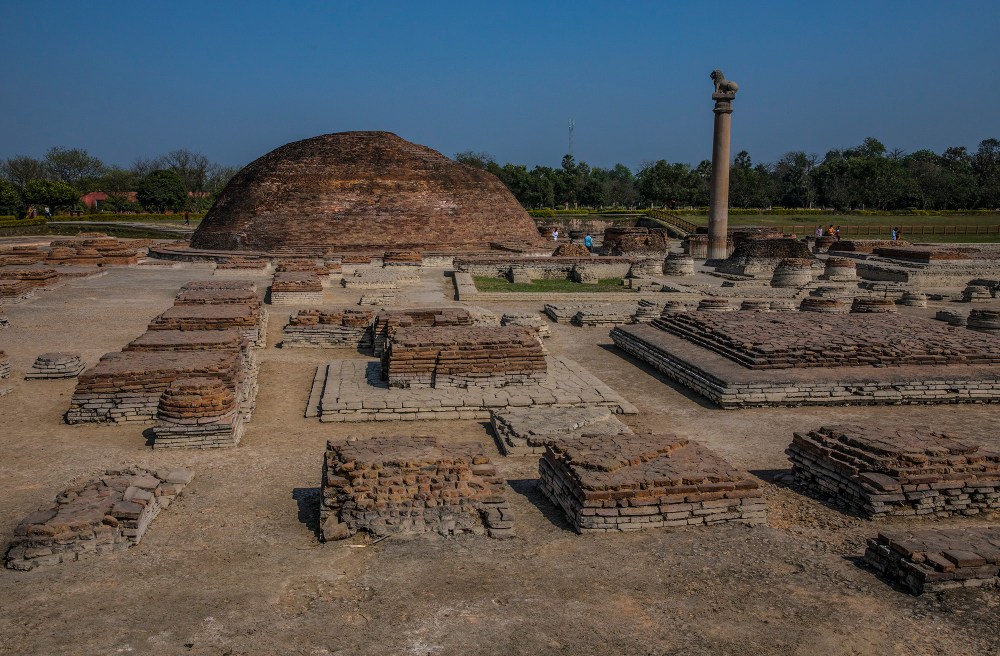
As I journeyed through this ancient city, I was captivated by its rich tapestry of stories, each thread weaving a tale of kings, monks, and legendary courtesans. Vaishali, one of the first republics in the world, is a place where the past and present coexist in a harmonious dance.
Disillusioned and seeking solace, I headed towards the archaeological remains of Vaishali, driven by my unwavering determination to follow the path of Tathagata. The day before, I had travelled by train from Rajgir, passing through Bakhtiarpur, and finally arriving in Patna. From there, a bus carried me to the ancient city of Vaishali, where history and spirituality intertwine.
The Land of King Vishal:
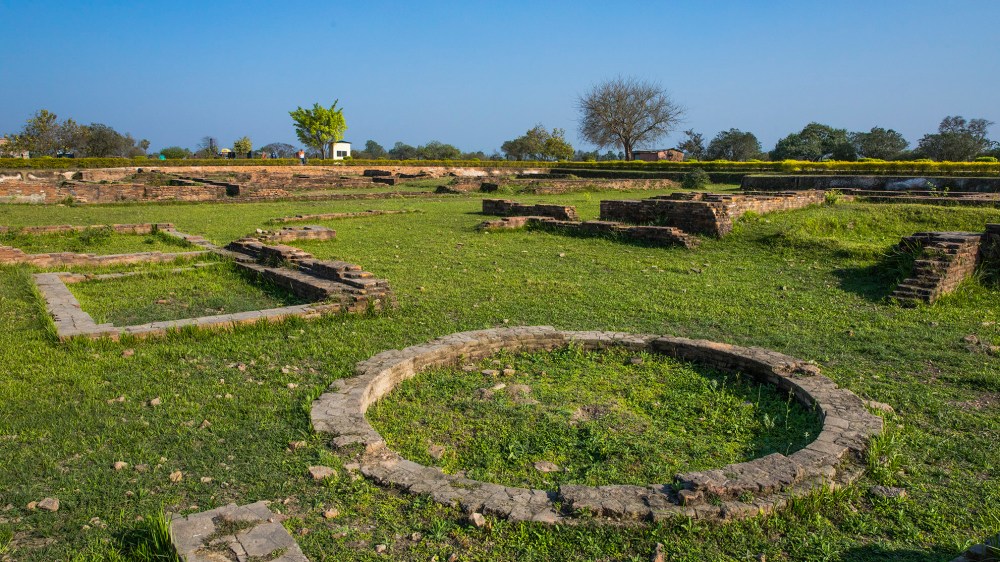
Vaishali derives its name from King Vishal of the Mahabharata era. Legend has it that King Vishal of Licchavi Clan built a grand fort here, the remnants of which still whisper tales of a bygone era. As I wandered through the ruins of Raja Vishal’s Garh, I could almost hear the echoes of the past, imagining the grandeur of the fort that once stood tall and proud.
Walking through these ruins, I could almost hear the whispers of the giggling citizens, Buddhist chants, and merchants’ discussions. The fort’s vast expanse and the stories it holds are a testament to the grandeur of a bygone era.
The First Republic of India:
Vaishali holds the distinction of being one of the earliest republics in the world. It was the capital of Vajjika League, one of the sixteen Mahajanapadas (or great kingdoms), that flourished in ancient India. The democratic principles practiced in Vaishali were ahead of their time, with a governing body that included representatives from various clans. This progressive approach to governance is a testament to the advanced political thought that existed in ancient India.
The Footprint of the Prophet Tathagata:
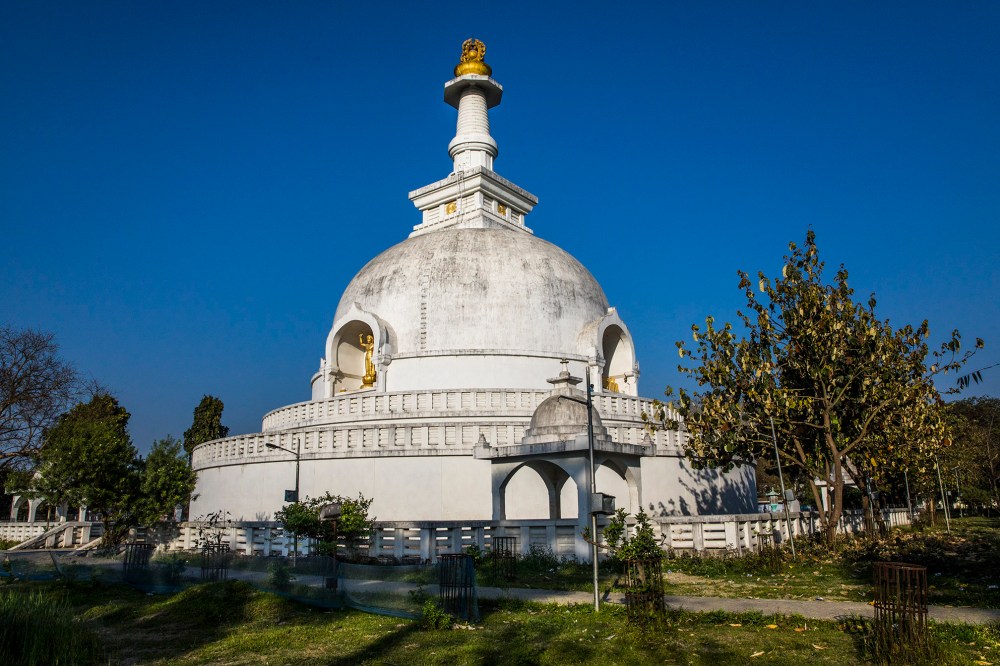
Vaishali is a revered site for both Buddhists. It is believed that Lord Buddha visited Vaishali several times and delivered his last sermon here. The Ashokan Pillar, erected by Emperor Ashoka to commemorate Buddha’s last sermon, stands as a testament to this historical event. The pillar, made of polished red sandstone, is adorned with inscriptions promoting peace and non-violence.
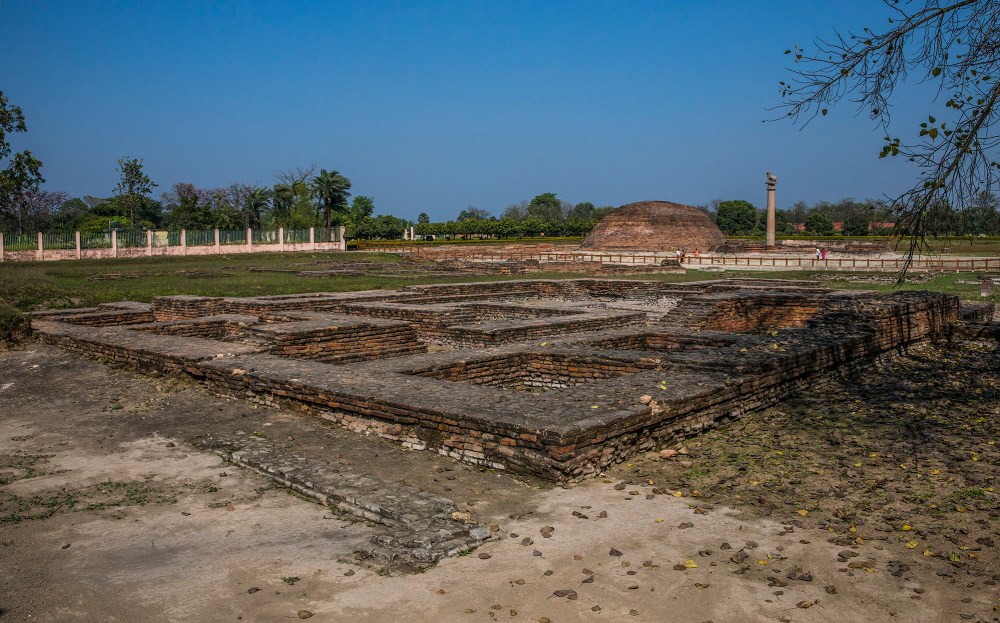
Walking through the serene surroundings of the Buddha Stupa I and II, I felt a deep sense of tranquillity. These stupas, believed to contain the relics of Buddha, are a pilgrimage site for Buddhists from around the world. The calmness of the place, coupled with the gentle rustling of leaves, made it a perfect spot for reflection and meditation.
Birthplace of Lord Mahavira:
Vaishali is the birthplace of Lord Mahavira, the 24th Tirthankara of Jainism. The Kundalpur village, where Mahavira was born, is a significant pilgrimage site for Jains. The simplicity and serenity of the place left me in awe of the spiritual legacy that Vaishali holds.
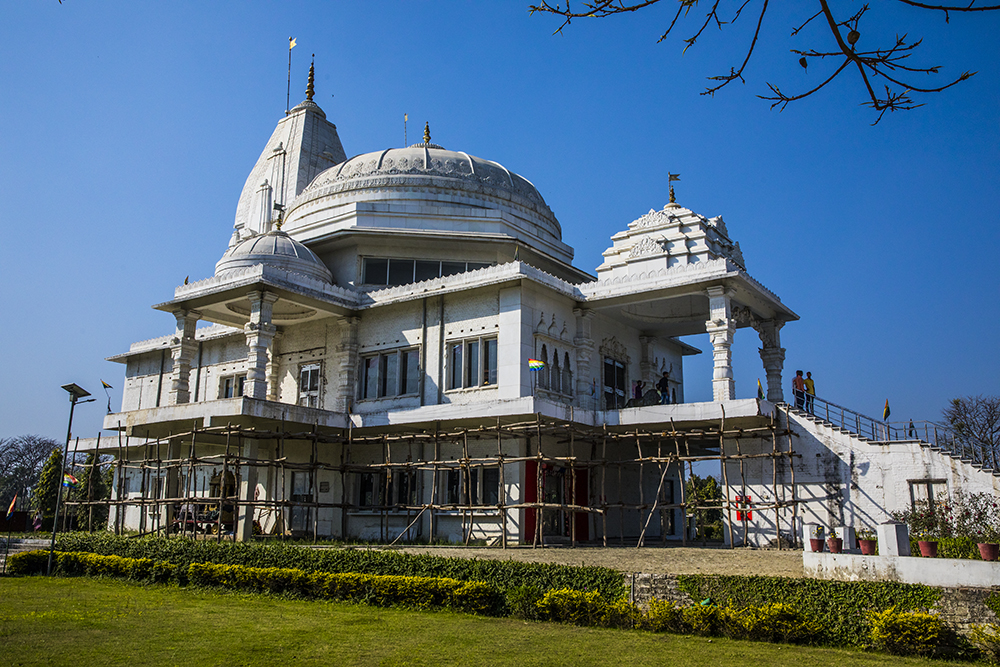
The Land of Amrapali:
Amrapali’s story is one of love, devotion, and transformation. She was a woman of extraordinary charm, whose allure was matched only by her intelligence and wit. As I wandered through the streets of Vaishali, I imagined Amrapali’s presence, her laughter echoing through the corridors of time. Her tale is one of romance and intrigue, a story that adds a touch of mystique to the historical narrative of Vaishali.
Amrapali eventually became a devoted follower of Buddha, renouncing her life of luxury to embrace spirituality. Her transformation from a courtesan to a revered disciple is a poignant reminder of the power of redemption and the pursuit of inner peace.
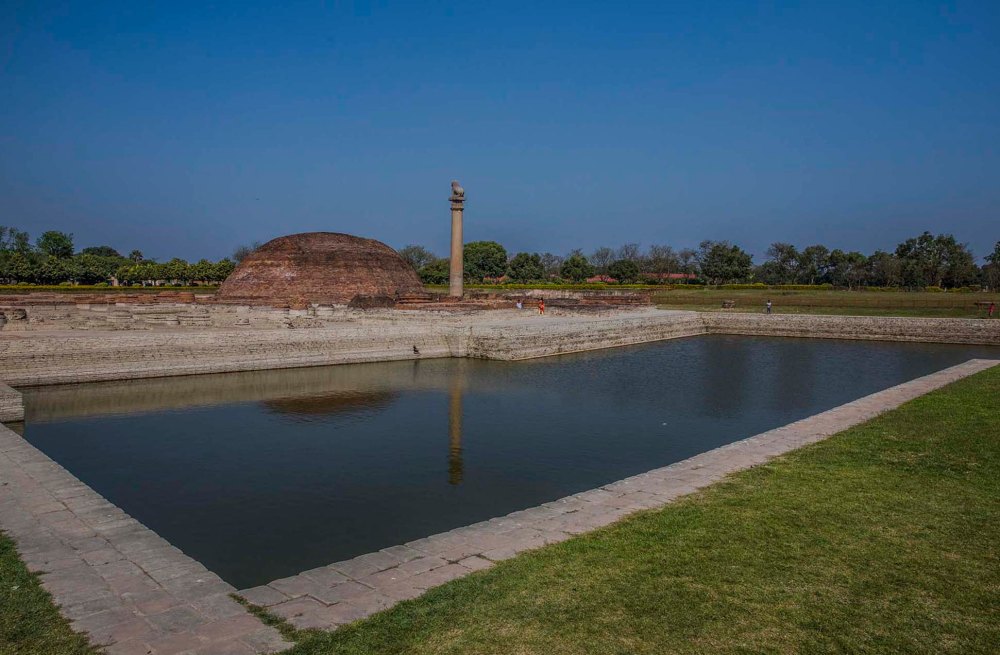
Abhishek Pushkarini:
In the heart of Vaishali, amidst the echoes of ancient chants and the rustling of sacred groves, lies Abhishek Pushkarini, the Coronation Tank. This hallowed tank, known for its sacred waters, has witnessed the anointing of countless leaders of the Licchavi clan, marking their ascension to power with rituals steeped in tradition and reverence12.
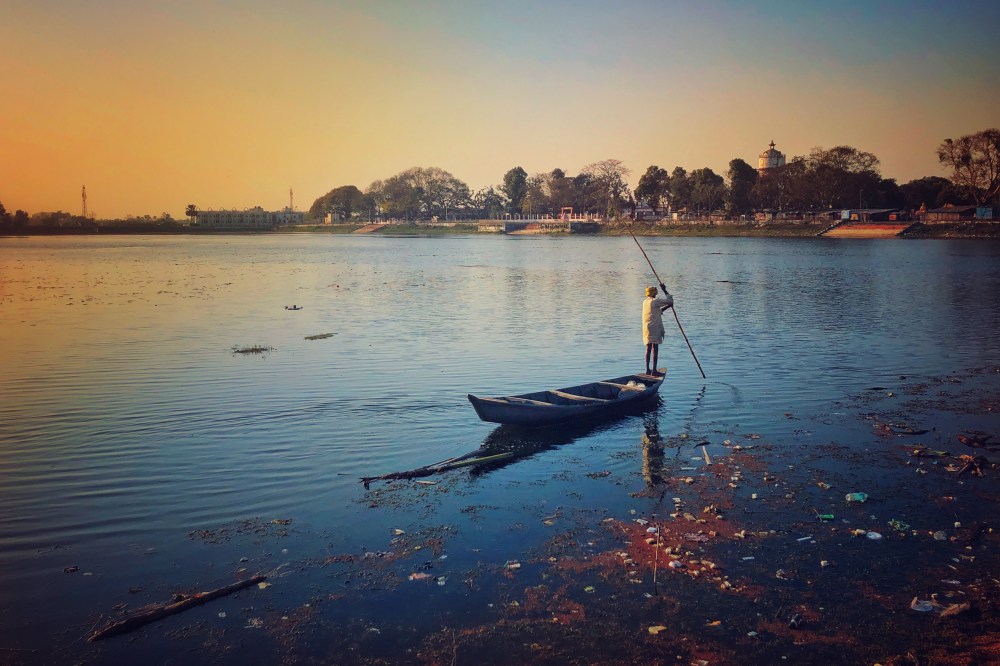
As I approached Abhishek Pushkarini, the air seemed to hum with the energy of centuries past. The tank, surrounded by lush greenery, exuded a serene and almost mystical aura. It was easy to imagine the grand ceremonies that once took place here, with the waters of the tank believed to possess healing powers and divine blessings. As I stood by the tank, I couldn’t help but feel a deep connection to the past. The tranquility of the surroundings, coupled with the historical weight of the site, made it a perfect place for reflection. The Abhishek Pushkarini is not just a historical site; it is a living testament to the rich cultural and spiritual heritage of Vaishali. It serves as a reminder of the values of democracy, peace, and wisdom that were cherished by the ancient Licchavis.
Exploring Vaishali was like stepping into a living history book. The ancient ruins, the serene stupas, and the lush landscapes all come together to create a tapestry of timeless significance. Vaishali is not just a place; it is an experience that leaves an indelible mark on the soul.
Notes:
- Travelling to Vaishali by public transport is not an easy task. First, you need to reach Patna, The capital of Bihar. Patna is well connected by Rail and Air. From Patna, You need to get a bus. Be aware about the bus for return journey.
- For accommodation in Vaishali, you have to rely on the private hotels but do not expect great service.
- Have your water bottles full and carry dry food.
- For women, please try to leave Vaishali before dusk as crime rate against women is very high in Bihar.
- Be respectful on the villagers.
 The Tramp