
Step into a world where Roman relics whisper secrets, Georgian facades shimmer in golden hues, and the Avon River cradles centuries of stories. Bath, England—a symphony of stone and charm—beckons.
“Let’s enjoy a day through the cobbled streets of Bath, shall we?” Said by Raai in a cloudy day of English Summer.
I agreed. It was almost the month end and we had limited money. Bath was definitely a good option for us. We planned for a walking tour and started (map given at the bottom).

In the next hour, we started our journey towards the sun-kissed city of Bath, nestled in the heart of Somerset, England, beckoning travellers with its rich history, stunning architecture, and enchanting alleys. The city possesses two UNESCO World Heritage sites – The ancient Roman Bath and the architecture of the entire city.

Arrival at the Golden Gateway – Bath Spa Railway Station:
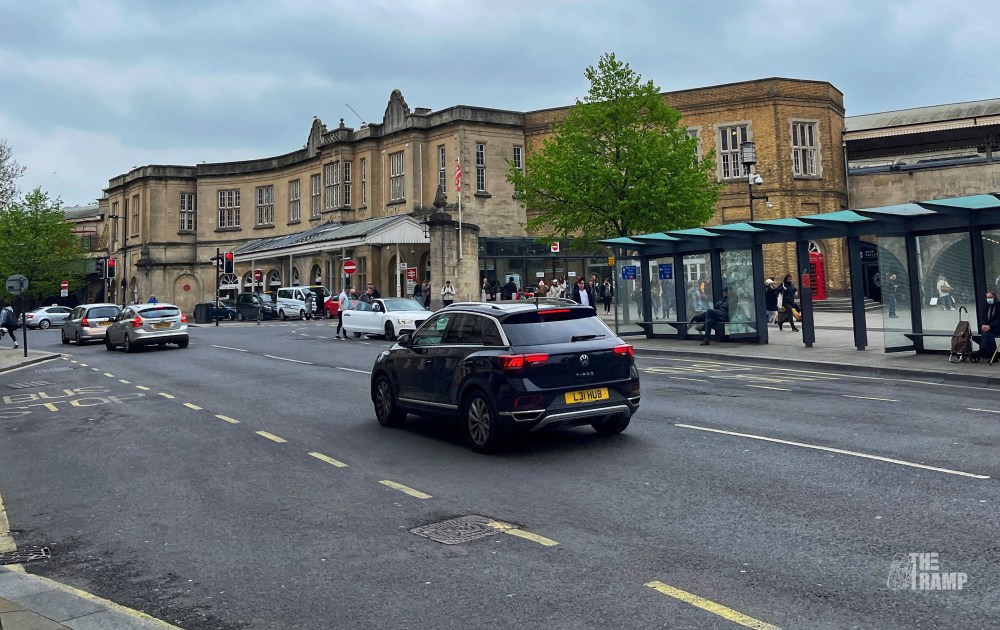
Our adventure begins at Bath Spa Railway Station, where the rhythmic chug of trains echoes against the honey-coloured stone walls. The station itself is a masterpiece – a blend of old and new. The Victorian façade stood proudly, while modern trains whisked travellers away to this historic city. We stepped onto the platform, our senses already tingling with anticipation.
Raai and I set off, our footsteps resonating on the cobblestone streets. The scent of freshly baked bread mingles with the delicate fragrance of blooming flowers. The narrow alleys wind like secrets whispered through time, revealing glimpses of hidden courtyards and charming boutiques. Each corner holds a story, waiting to be unravelled.

The Abbey’s Whispered Secrets:
Our first stop was Bath Abbey, its spires reaching for the heavens. Gothic grandeur met Roman resilience—the Abbey’s foundation laid by those ancient engineers. This architecture, also known as the Abbey Church of Saint Peter and Saint Paul, stands as a magnificent testament to history and faith. This 160 feet long Perpendicular Gothic masterpiece was constructed between 1499 and 1611. It is one of the largest examples of Perpendicular Gothic architecture in the West Country. The fan vaulting inside is a marvel, and the abbey’s Grade I listing ensures its preservation for generations to come.
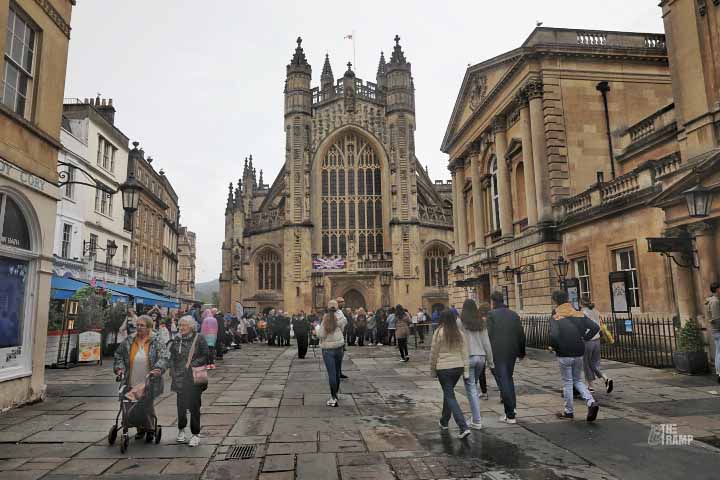
“Look at the door, Amlan”, said by Raai. The door is a magnificent piece of art.

Inside, sunlight streamed through stained glass, painting stories on the stone floor. The intricate fan vaults above seem to defy gravity, a testament to mediaeval craftsmanship. Raai’s eyes widened as we discovered the fan-vaulted ceiling—a celestial dance frozen in limestone. We sit in quiet contemplation, absorbing the centuries of prayers etched into the walls.
Roman Bath’s Liquid Legacy:
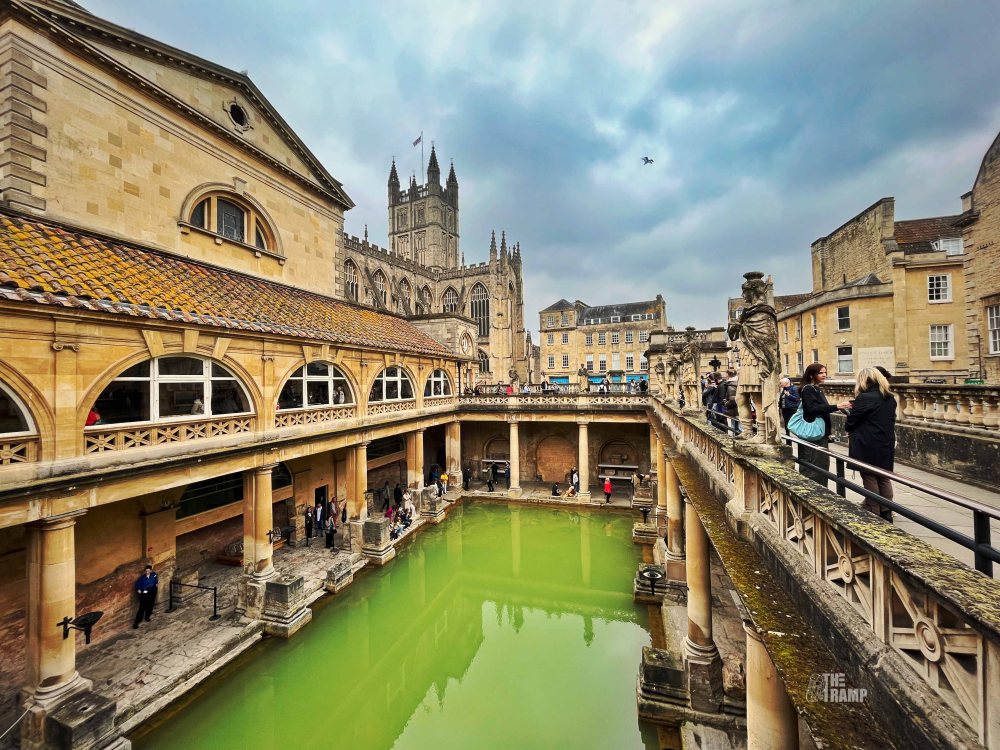
Opposite to the Abbey was the legendary Roman Baths. The Great Bath, once a temple to Sulis Minerva, now cradles reflections of curious visitors. We booked our visit while travelling on the train. It was 28 GBP per head with an audio guide.
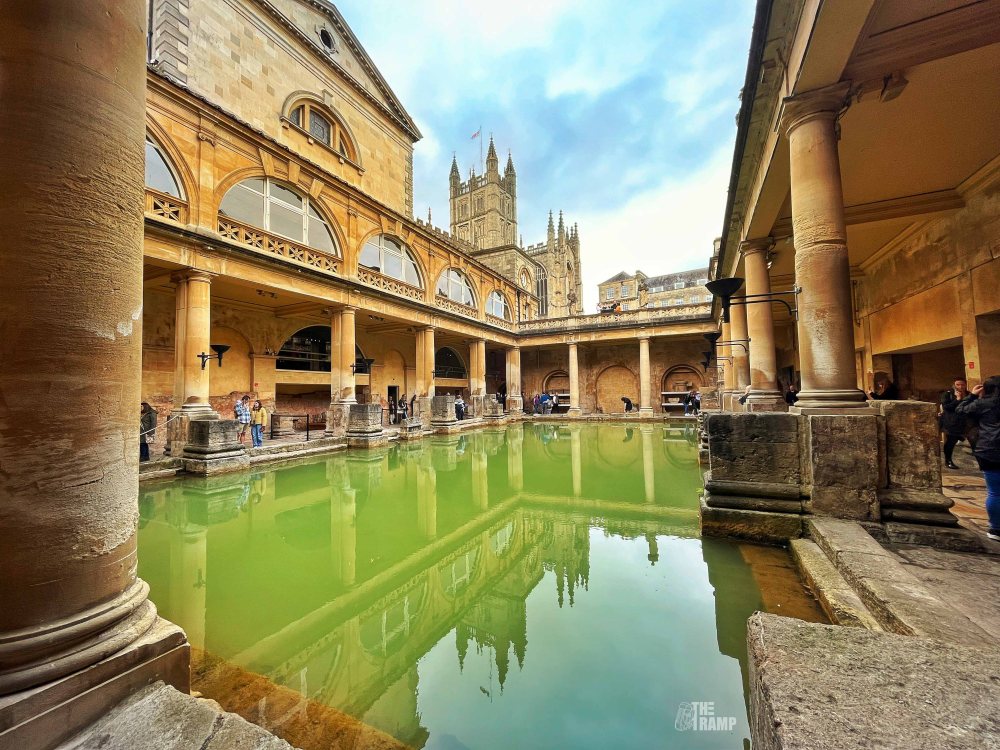
As we descended into the dimly lit chambers, the air thick with mineral-rich steam, I imagined ancient Romans lounging in these very waters. The intricate mosaics, the sacred spring, and the Great Bath itself transported us back to a time when Bath was known as “Aquae Sulis.” Raai dipped her fingers, feeling the centuries flow through her. The steaming waters whispered secrets of healing and hedonism.


The Enchanting Alleys:
We headed towards the Circus. As Raai suggested, we left the main road and walked on the alleys where in the cobblestone path, the air was carrying the promise of adventure—a whisper of ancient tales waiting to be unraveled. The narrow alleys beckoned, their twists revealing hidden courtyards and artisan boutiques. We followed the scent of freshly baked scones to Sally Lunn’s Historic Eating House. Raai savoured her first bite, eyes closing in bliss. The ancient timber beams above seemed to nod in approval.

Patterns and Colors – Bath’s Unique Aesthetic:
Bath’s streets unfolded like a patchwork quilt. Cobblestones led us past doorways adorned with fanlights, iron railings, and colourful flower boxes. The Bath stone, quarried locally, lent its warm hue to every façade. We marvelled at the intricate fan-shaped patterns above doorways, a signature of Georgian design.


By this time, it started raining and we had to find another café for half an hour.
The Curious Circus – A Georgian Gem:
The Circus awaited—a circular marvel of townhouses that exudes Georgian elegance. Each of them contains symmetrical facades, adorned with ornate friezes and wrought-iron balconies, evoking an era of powdered wigs and grand balls. Raai twirled, her laughter echoing off the walls. We imagined the Regency gentry promenading here, their silk skirts brushing against the Bath stone. The air held whispers of Jane Austen, who once roamed these same streets, penning tales of love and society.

The Royal Crescent – A Crescent of Dreams:
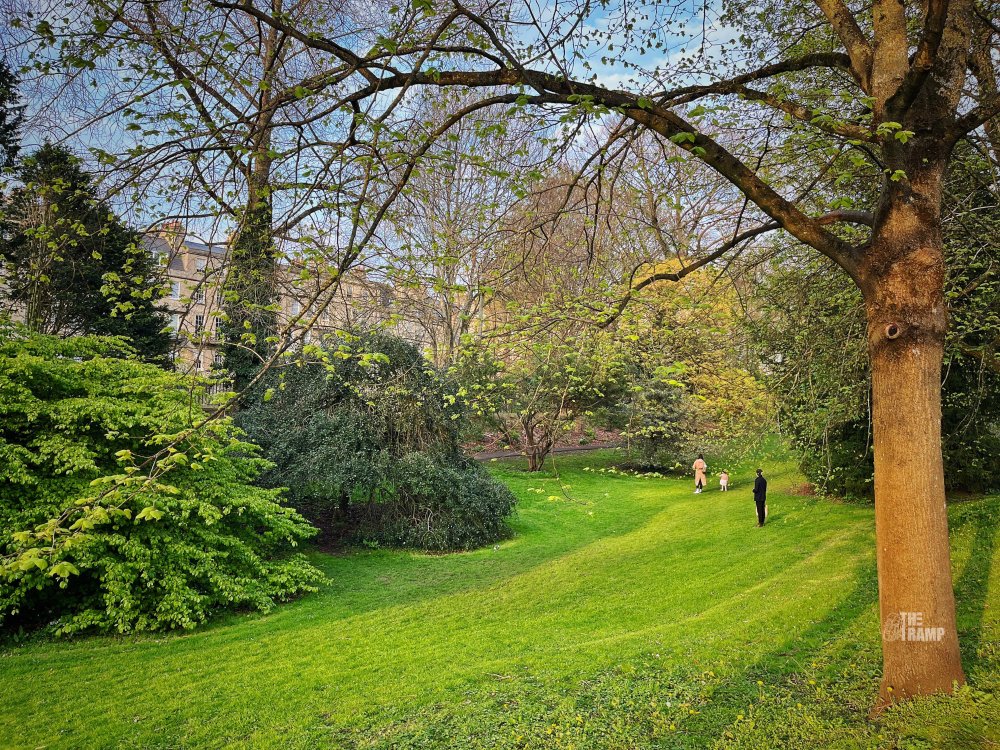
Our final stop is The Royal Crescent, a sweeping crescent of terraced houses overlooking Royal Victoria Park. The creamy Bath stone glows in the afternoon sun, and we picture Jane Austen’s heroines promenading along the crescent’s graceful curve. Each window holds a story—a composer composing, an artist painting, a lover penning heartfelt letters.

We were a bit tired. Hence we decided to have some relaxing time in the garden adjacent to the Royal Crescent.

Imagination of Frankenstein:
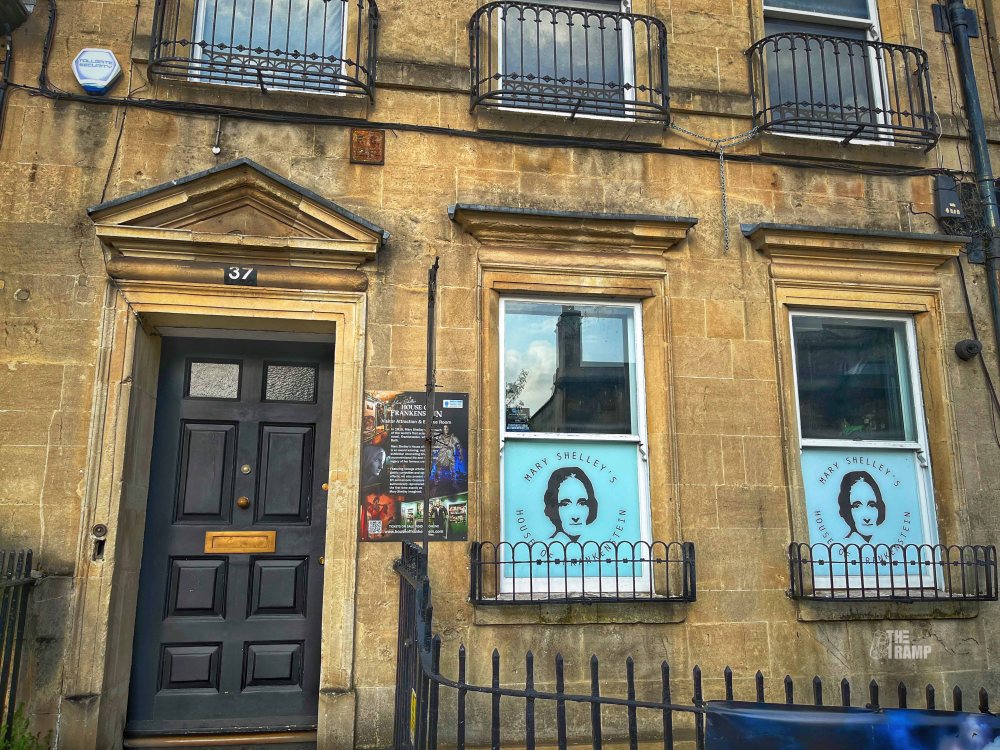
Our next stop was Mary Shelley’s House of Frankenstein – an award-winning, multi-sensory museum and escape room in the heart of Bath. Mary Shelley’s Legacy: Imagine standing where Mary Shelley herself once roamed. At just 19 years old, she penned the world’s first science fiction novel, Frankenstein, within these walls. The echoes of her creativity still resonate.
Strolling Along the River Avon:
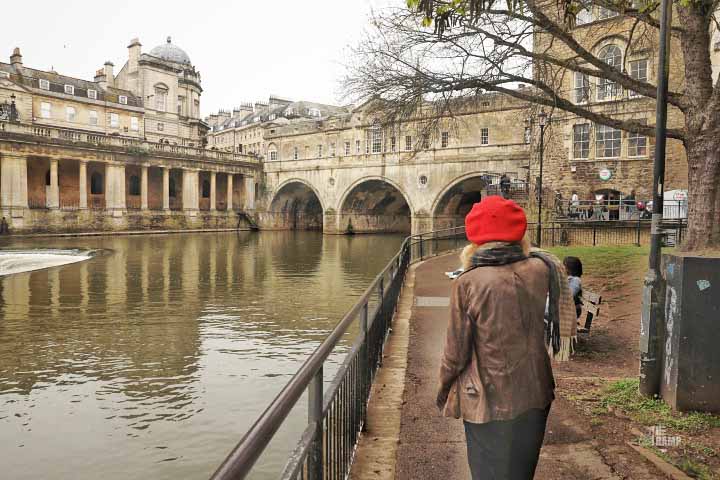
We came back to Abbey and followed the River Avon’s meandering path. The Pulteney Bridge, with its Georgian shops clinging to its sides, spanned the water like a time-travel portal. We leaned over the balustrade, watching swans glide by, their reflections dancing on the surface.

As the sun dipped below the horizon, casting a warm glow on Bath’s rooftops,We sat by the River Avon.
And so, dear reader, our journey through Bath unfolds—a symphony of stone and springs. The city, like a well-worn novel, invites you to pen your own chapter. As the sun dipped below the horizon, Raai and I vowed to return—to dance with history, sip from ancient springs, and let Bath’s magic seep into our souls.
Things to know:
- The trip can be done by walking. There is no need of any transport.
- The entry pass to Roman Bath should be booked at least one hour before visiting the spa.
- Staying in Bath is expensive.
- The trip can be clubbed with Stonehenge. There are many package tours from London that organizes day trips to Stonehenge and Bath.
- Bath can be visited with Bristol too. Even it is a better idea to stay in Bristol and visit Bath. It takes 30 minutes by train and 1 hour by bus.
 The Tramp