
I wonder why the charming, student-city Bristol is so underrated on the tourist map. The artsy port city has a lot to offer to the visitors. Its history, architecture, street arts and lovely pubs generate an energetic vibe that a traveler should fall in love with.

Named as the best UK city in both 2014 and 2017, Bristol also won the European Green Capital Award in 2015, and in 2017 became a UNESCO City of Film.

The city has its association with India. Raja Rammohan Roy, the great social reformer, lived in this city. His statue, graveyard are still in this city. Moreover his name is still famous here.

On a cloudy morning of 2023, I visited Bristol. I reached Bristol by GWR (The Great Western Railway) train. The rail station Bristol Temple Meads is an architectural relic. The name Temple Meads derives from the nearby Temple Church, which was gutted by bombing during the Second World War. The word “meads” is a derivation of “mæd”, an Old English variation of “mædwe”, meadow, referring to the water meadows alongside the River Avon that were part of Temple parish.

I came out of the station. The major attractions of the city are walkable from the rail station. Since I had plans to cover a lot, I bought a day pass on the bus. Every ride costs 2 GBP whereas the day pass is available only for 5.8 GBP. Then why not take the cheaper option?
https://goo.gl/maps/7ufWVKWLTvDJxjQt6
I got down from the bus at Bristol City Center, further walking 100 meters I reached the Bristol Cathedral.
Dating back to the 12th century, the gigantic architecture of Bristol Cathedral was originally the abbey of St. Augustine. Parts of the Cathedral include Romanesque architecture and large vaulted ceilings in the nave, choir, and aisles, although the nave wasn’t built until 300 years after the rest of the cathedral.

The cathedral remains open daily and no ticket is required to get inside. Since no free tours are on offer, I collected the welcome leaflet to discover more about the building.

In front of the cathedral, a statue of Raja Rammohan Roy was sculpted. There is a history behind his fame in Bristol.

After his remarkable work to outlaw the burning of sati (Hindu widow who was forced to sacrifice herself atop her husband’s dead body during cremation) in 1929, Raja Ram Mohan Roy came to London in 1831. He defeated an orthodox Hindu appeal to reinstate sati. Also he offered written evidence to Parliament towards better governance in India. Also, he recovered some of the money due to his Moghul Emperor from the EIC. His work helped him to build a network widely across London society to achieve these and other successes. Roy was also considered becoming a British MP.
In 1833 he came to Bristol with his adopted son Rajaram to visit the Unitarians and old friends – Rev. Lant Carpenter and his daughter Mary. Due to enormous work pressure throughout his life, He started suffering from meningitis and died at Beech House, Stapleton on 27th September.
At this moment, I had two options, either I could walk towards the harbor and visit the other places or I could visit the Arnos Vale – the resting place of Raja Ram Mohan Roy. I preferred to visit the later one because, for lunch, anyway I had to come back to the harbor.
I got a bus and visited Arnos Vale.
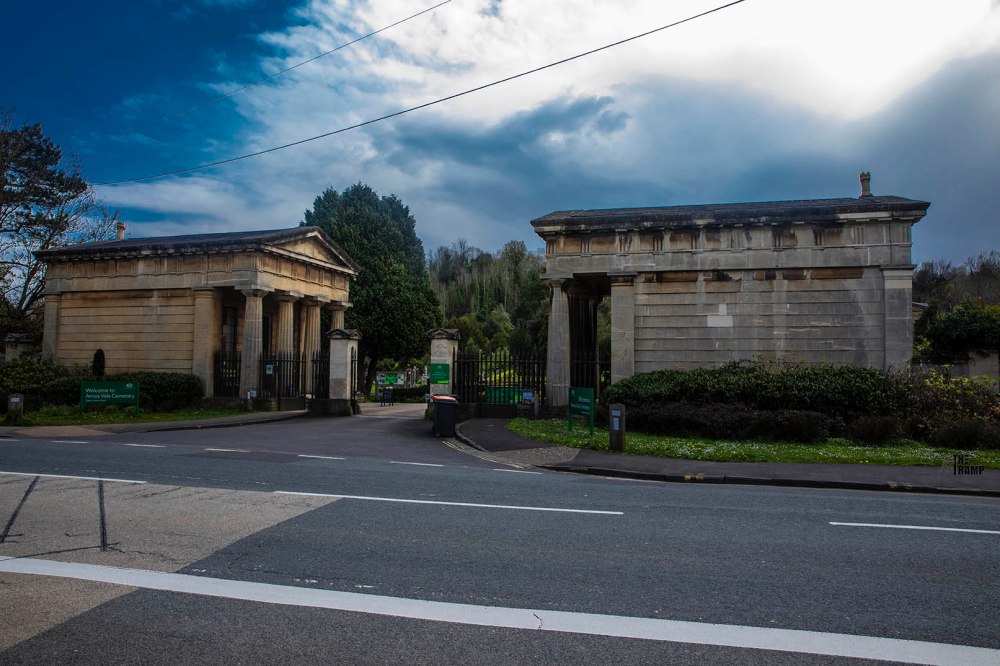
The famous graveyard Arnos Vale is the final resting place of many social workers, educational reformers and other great personalities. The supervisor of this cemetery gave me a booklet and shared the story behind this place. The booklet served the purpose of my guidebook.

After demise, Raja Ram Mohan Roy was initially buried inside the garden in a completely silent service as he wished, but 8 years later was reinterred at Arnos Vale. This ‘chattri’ based monument was erected 2 years later with monies directed from Dwarkanath Tagore in 1943. It quickly became a place of pilgrimage for Indians, especially West Bengalis. To this day the death of “The Founder of Modern India” is commemorated by the Cemetery each September.

His friend Mary Carpenter’s grave is in this graveyard. Social Worker Ana Sulivan’s tomb is also in this cemetery.
After bidding my hearty respect I came out of the cemetery and headed towards my next destination – the resting place of Raja Ram Mohan Roy. First I headed towards the Bath Bridge and cross the river Avon.
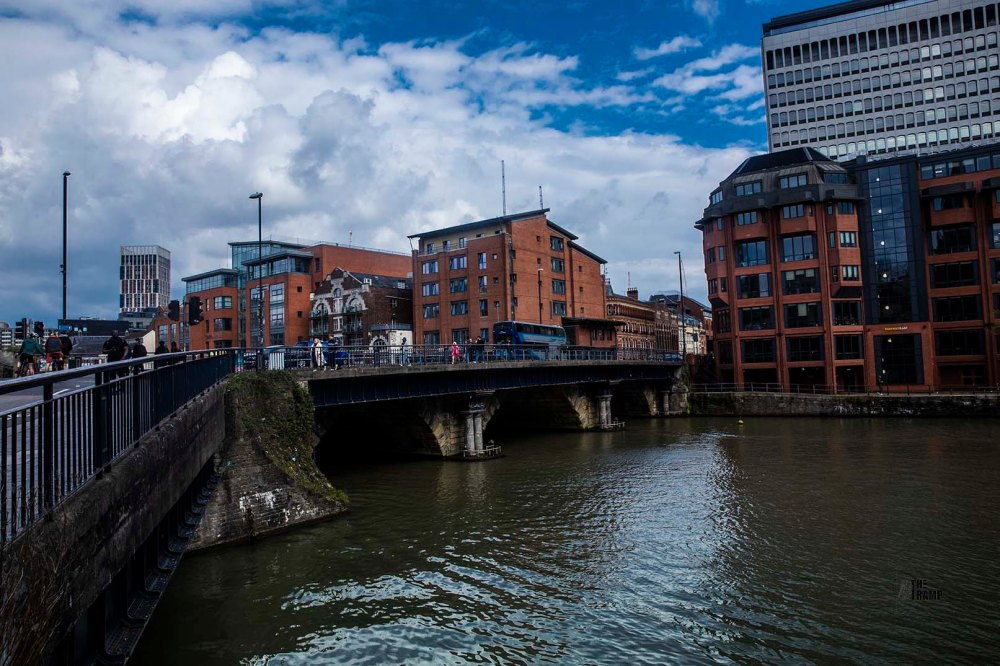
Bus took me to St. Mary’s Church. Further walking along the green park I reached the bank of River Avon. After a final climb of 20 metres I reached the Clifton suspension Bridge – the iconic structure spanned on the River Avon.

“My first child, my darling” said Isambard Kingdom Brunel, a well reputed English civil and mechanical engineer. This is how he described his brainchild Clifton Suspension Bridge. The construction of the bridge started under his supervision in 1829. Due to political upheavals and financial problems the construction was delayed and finally completed in 1964, five years after Brunel’s death in 1959.

But the bridge is a masterclass of the 19th Century. People across the world come here to visit the bridge. Lovely park and the nearby watchtower houses a café for the visitors. Couples come here and hand a lock in the railing of the park with a belief of lifelong togetherness with their fiancé.
A watchtower was there which is nowadays transformed to cafeteria. But I found it a bit expensive. However, sipping a cup of coffee in in the wooden bench was a lovely experience for me.

I felt a bit hungry and thus decided to go back to the City Centre.

Walking along the cobblestoned streets of the City Centre was a lovely experience. The fascinating gothic architectures were a treat to the eyes.

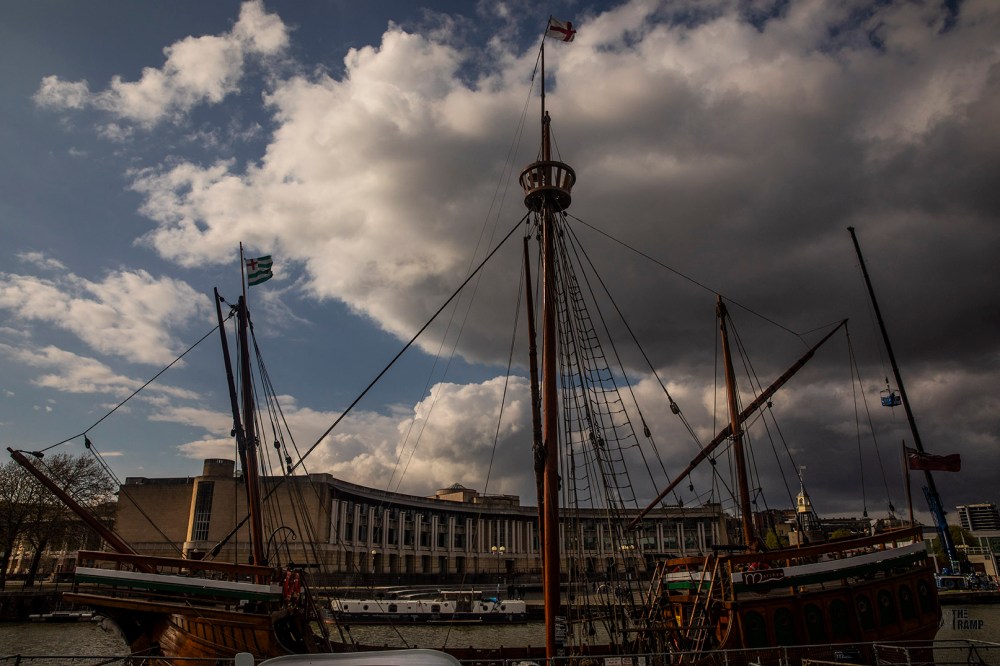
I walked down to the harbor. The historic Bristol Harbor along the Avon River was traditionally known as the Floating Harbor as the water levels neither rise nor fall. The harbor is nowadays the home to most of Bristol’s busy street life and the major tourists’ attractions including the Watershed Media Center and the M Shed Museum.

I ridded on the Bristol Ferry Boat and reached M Shed – the maritime museum of Bristol. There was no entry fee. I went inside and witnessed how a ship is built. I saw more than 3000 artefacts related to historical ships.
I was hungry and thus decided to have fish and chips in a harborside pub.
While having lunch, I found the poster of Tintin’s comics – Red Rackham Treasure. I was anxious to know the reason but finally came to know that the owner’s obsession with Tintin. However, I wished to have a meal inside the Bristol’s Old Fish Market but unfortunately it was closed.

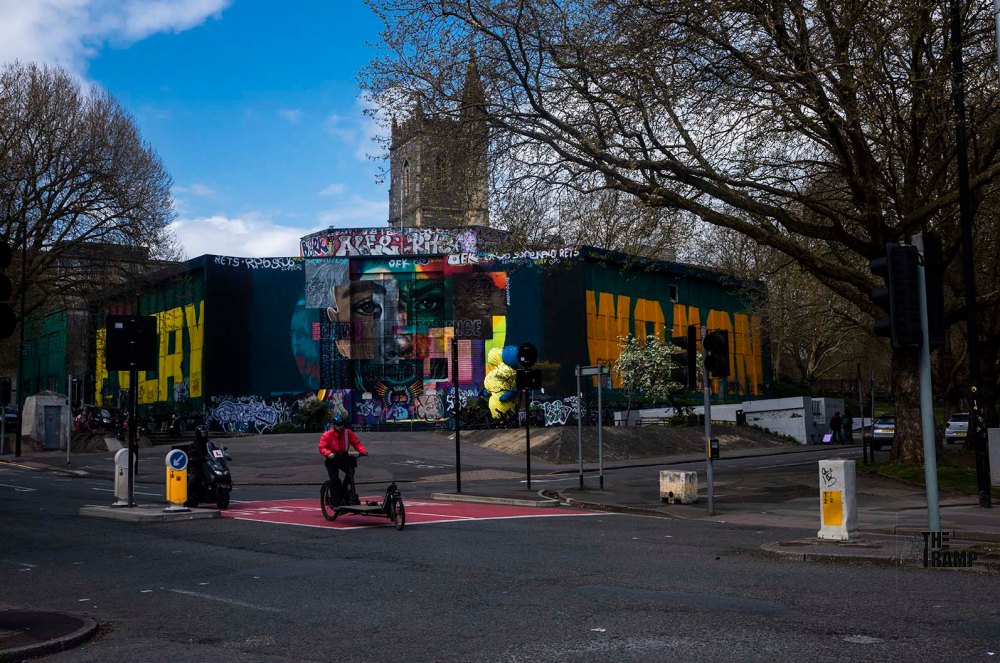
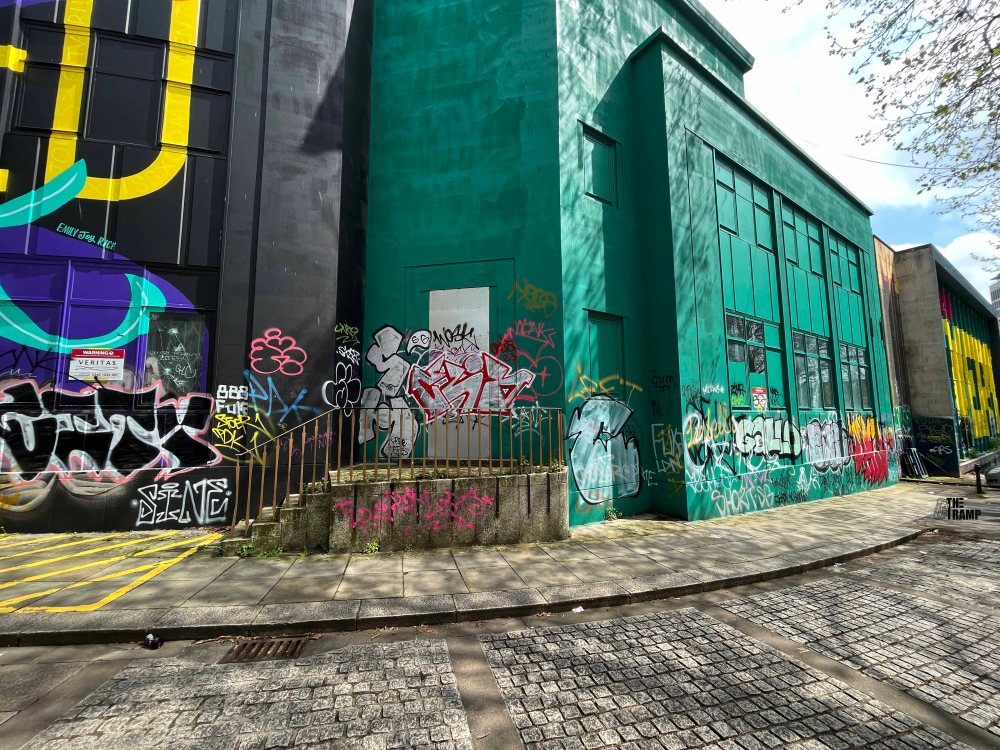
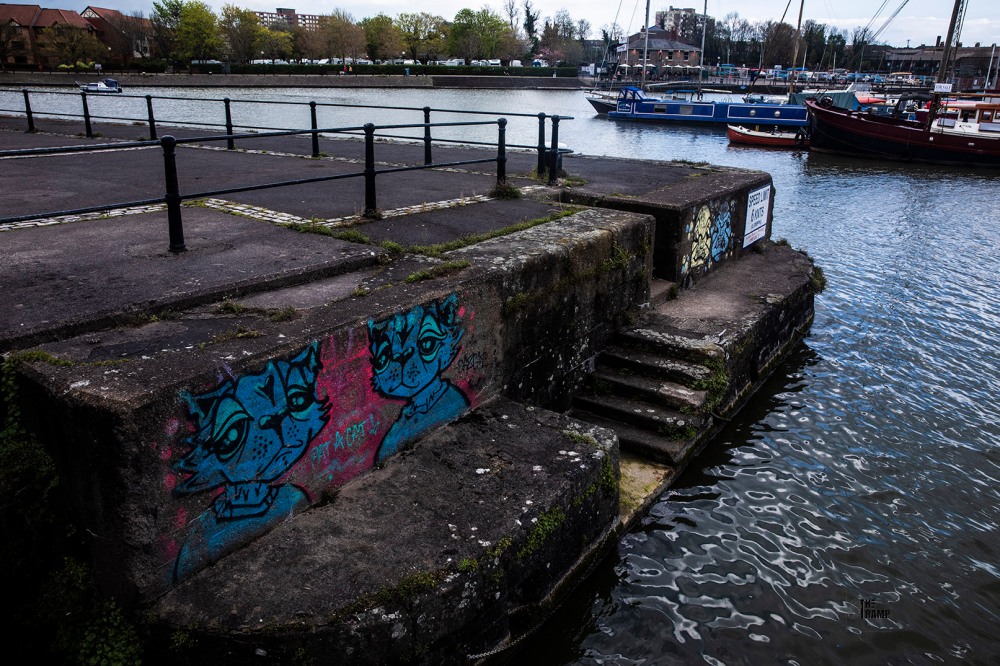
During my entire trip I found the city is a center of the street arts. Mural, Graffiti’s are depicted in most of the street walls. There are lovely colourful houses too. Mostly Stokes Croft, Bedminster & South Ville, Park Street, Nelson Street, and Bristol Harborside are the hotspots for street art.



Having a sumptuous lunch I headed towards the Bristol County Cricket Ground – The homeground for Gloucestershire County Club. WG Grace, the grandfather of the cricketers, played for Gloucestershire. Also players like Wally Hammond and GL Jessop.
WG Grace scored five first class centuries in this ground. One of them was his 100th century. (story)
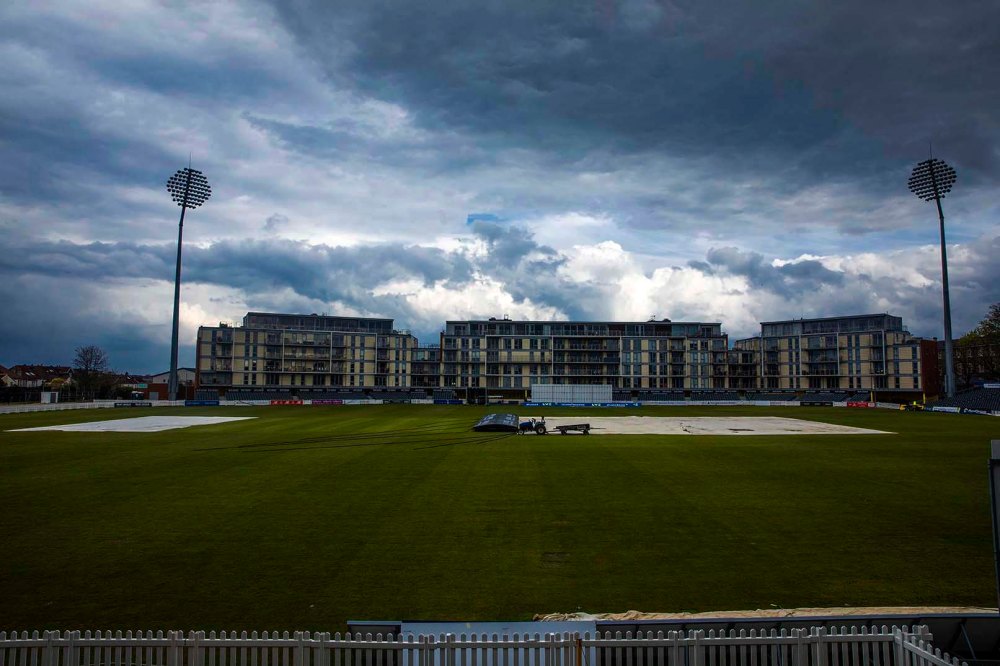
Apart from Grace’s milestone. The ground has a relation with Sachin Tendulkar – the masterblaster of India. He played 3 matches and scored two centuries and one 99. One of them was done after the demisal of his father during World Cup 1999. He went back to India to attend his father’s funeral and joined back the squad in the next match against Kenya. He scored a maiden 144 and dedicated the century to his father. The entire World became emotional.
I was sitting in the gallery named after WG Grace. It was about dusk. I came out, got a bus and came back to Bristol Temple Meads Railway Station.
While returning back it was almost evening and the sky was over casted by cloud. I found the Bristol Temple Church – a ruined structure founded in 12th century and still possesses a wonderful architecture.

Bristol, as I see, is really an underrated city. The vibrant city must be visited by the travelers.
 The Tramp